
Embarking on the journey of learning to ride a horse is an exciting endeavor that opens doors to a world of adventure, connection, and personal growth. Whether you envision yourself gracefully navigating scenic trails or competing in prestigious equestrian events, horseback riding offers a unique and rewarding experience. This comprehensive guide will equip you with the essential knowledge and skills to confidently mount and ride a horse, ensuring a safe and enjoyable journey.
This article will delve into the fundamentals of horseback riding, covering everything from basic riding techniques to essential equestrian skills. We’ll explore the different types of riding disciplines, provide guidance on choosing the right horse for your needs, and emphasize the importance of safety precautions. By the end of this guide, you’ll have a solid foundation to begin your equestrian adventure.
Horseback Riding Basics
Before you can confidently can you ride a horse, it’s crucial to understand the fundamental principles of horseback riding.
Mounting and Dismounting
Mounting and dismounting a horse correctly is essential for both your safety and the horse’s well-being. Always approach the horse from the left side, using a mounting block if available. Place your left foot in the stirrup, swing your right leg over the horse’s back, and settle into the saddle. Dismounting involves reversing the process, carefully stepping down to the ground with your left foot first.
Basic Riding Positions
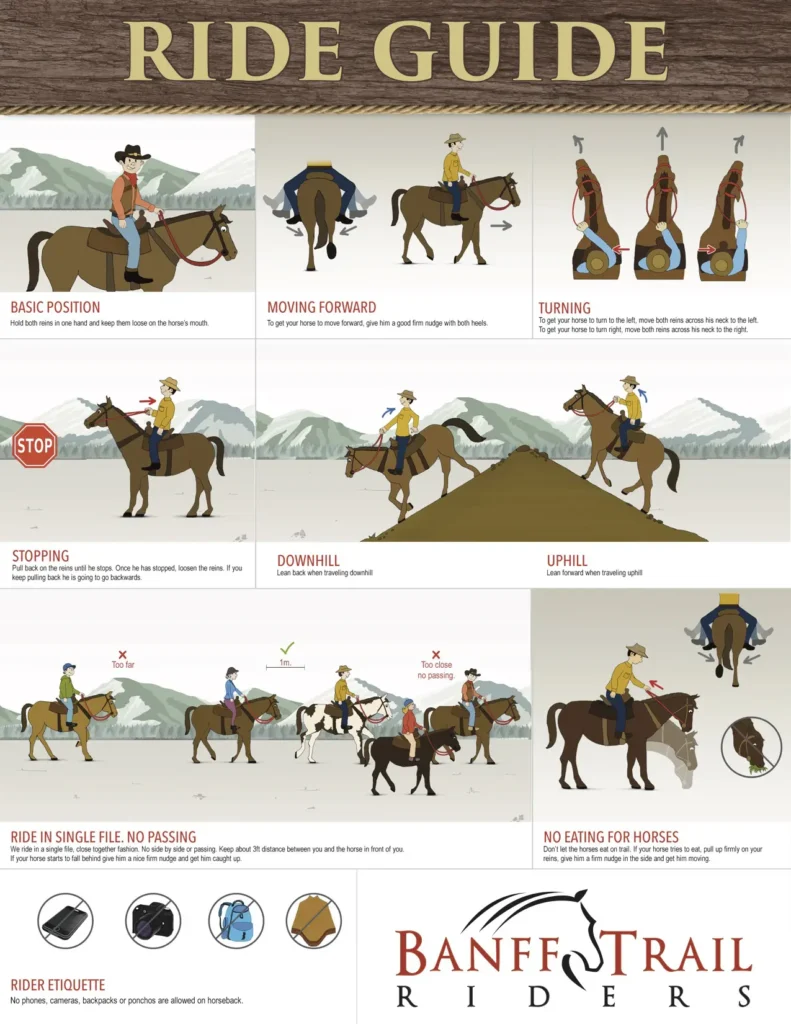
Maintaining a balanced and correct riding position is key to effective communication with your horse. Your weight should be evenly distributed, with your back straight and your core engaged. Your hands should be relaxed and positioned lightly on the reins, allowing for gentle guidance. Your heels should be slightly lower than your toes, promoting a balanced and secure seat.
Steering and Control
Steering a horse involves using subtle cues with the reins. Gentle pressure on the right rein will encourage the horse to turn right, while pressure on the left rein will guide it left. The horse’s head position and movement will indicate its response to your steering cues.
Essential Equestrian Skills

As you progress in your riding journey, mastering essential equestrian skills will enhance your confidence and control.
Walk, Trot, and Canter
These three gaits are the foundation of horseback riding. The walk is a four-beat gait, the trot is a two-beat gait, and the canter is a three-beat gait. Learning to ride each gait smoothly and confidently is crucial for progressing to more advanced riding techniques.
Stopping and Backing
Learning to stop and back a horse safely and effectively is essential for controlling the horse and navigating different situations. To stop, apply gentle but firm pressure on both reins, bringing the horse to a halt. To back a horse, use gentle pressure on the reins and your legs to guide it backward.
Turns and Figure Eights
Mastering turns and figure eights requires coordination and balance. By using your reins and legs to guide the horse, you can execute smooth and controlled turns. Figure eights involve riding in a figure-eight pattern, which helps improve your horse handling skills.
Choosing the Right Horse
Selecting the right horse for your riding level and goals is crucial for a positive and enjoyable experience.
Consider Your Experience Level
Beginners should start with a calm, well-trained horse with a gentle temperament. More experienced riders may choose horses with more spirited personalities or specific training for certain disciplines.
Riding Style and Discipline
Different riding disciplines require different types of horses. For example, dressage horses are known for their elegance and athleticism, while trail horses are typically sturdy and sure-footed.
Horse’s Health and Temperament
Always assess the horse’s overall health and temperament before riding. Look for signs of lameness, illness, or aggression. A healthy and well-tempered horse will be more enjoyable and safe to ride.
Safety Precautions for Horseback Riding

Horseback riding can be a thrilling and rewarding activity, but it’s essential to prioritize safety.
Wear Protective Gear
Always wear a properly fitted helmet to protect your head in case of a fall. Consider wearing riding boots with a heel to prevent your feet from slipping out of the stirrups.
Be Aware of Your Surroundings
Pay attention to your surroundings while riding, including obstacles, uneven terrain, and other riders. Be mindful of traffic and pedestrians.
Communicate Clearly with Your Horse
Use clear and consistent cues to communicate with your horse. Avoid sudden movements or loud noises that could startle the animal.
Types of Riding Disciplines
Horseback riding encompasses a wide range of disciplines, each with its unique set of skills and traditions.
English Riding
English riding styles emphasize elegance, precision, and control. Disciplines include dressage, show jumping, and eventing.
Western Riding
Western riding styles originated in the American West and are known for their practicality and versatility. Disciplines include reining, barrel racing, and trail riding.
Other Disciplines
Other popular riding disciplines include endurance riding, polo, and fox hunting. Each discipline offers a unique challenge and rewards riders with a deep connection to their horses.
Conclusion
Learning to ride a horse is a journey filled with challenges, rewards, and unforgettable experiences. By mastering the fundamentals, developing essential skills, and prioritizing safety, you can embark on this exciting adventure with confidence. Whether you aspire to compete in equestrian events or simply enjoy leisurely trail rides, horseback riding offers a unique and enriching connection with these magnificent animals.