
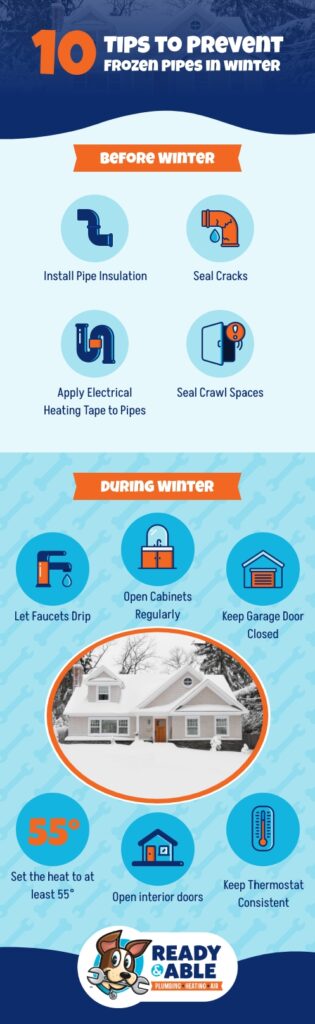
Winter’s icy grip can pose a serious threat to vacant homes, particularly their plumbing systems. Frozen pipes can burst, causing extensive water damage and costly repairs. Fortunately, proactive measures can effectively protect your vacant home’s plumbing from the perils of freezing temperatures.
This article will guide you through essential steps to prevent frozen pipes in a vacant house. We’ll explore insulation techniques, temperature control strategies, and specific precautions for vulnerable areas like exposed pipes and water heaters. By implementing these preventative measures, you can ensure your plumbing system remains safe and functional throughout the winter months.
Prevent Frozen Pipes
The primary goal when preparing a vacant home for winter is to prevent water from freezing within the pipes. This involves understanding how heat transfer works and taking steps to minimize the risk of freezing temperatures reaching vulnerable areas.
One crucial aspect is identifying exposed pipes, which are more susceptible to freezing due to lack of insulation. These often include pipes located in unheated spaces like attics, crawl spaces, garages, and exterior walls. By insulating these pipes effectively, you create a barrier against the cold, reducing the likelihood of freezing.
Another key factor is maintaining a consistent indoor temperature, even when the house is unoccupied. While it’s not necessary to heat the entire home to a comfortable level, keeping the temperature above freezing can significantly reduce the risk of pipe freezing.
Insulate Exposed Pipes

Insulating exposed pipes is a fundamental step in preventing frozen pipes in a vacant house. Insulation acts as a barrier against cold temperatures, slowing down heat transfer and protecting the water within the pipes from freezing.
Types of Pipe Insulation
Various types of pipe insulation are available, each with its own advantages and suitability for different applications. Common options include:
- Foam Pipe Insulation: This lightweight and flexible insulation comes in pre-cut sleeves that easily wrap around pipes. It’s readily available at most hardware stores and offers good thermal resistance.
- Fiberglass Pipe Wrap: This type of insulation is made from fiberglass fibers and provides excellent insulation properties. However, it can be more difficult to install than foam insulation and requires protective gear during handling.
Installation Tips
When insulating exposed pipes, ensure a snug fit around the pipe to prevent air gaps that could allow cold air to penetrate. Secure the insulation with tape or wire ties for added stability. Pay particular attention to areas where pipes pass through walls, ceilings, or floors, as these are vulnerable points.
Maintain Indoor Temperature
Maintaining a consistent indoor temperature is crucial for preventing frozen pipes in a vacant house. While you don’t need to heat the entire home to a comfortable level, keeping the temperature above freezing can significantly reduce the risk of pipe freezing.
Thermostat Settings
Consider setting your thermostat to a minimum temperature of 55°F (13°C) when the house is unoccupied. This will help maintain a consistent temperature and prevent pipes from freezing during cold spells.
Drip Faucets During Cold Spells
During periods of extreme cold, consider allowing faucets to drip slightly. The running water helps prevent pipes from freezing by creating constant movement within the pipes.
Drip Rate
A slow drip is sufficient; aim for about one drop per second. This will help keep the water flowing and prevent ice buildup in the pipes.
Protect Water Heater
Your water heater is a vital component of your plumbing system, and it’s essential to protect it from freezing temperatures.
Insulation Blanket
Wrap an insulation blanket around your water heater tank to minimize heat loss and reduce the risk of freezing. These blankets are readily available at hardware stores and come in various sizes to fit different water heater models.
Conclusion
Protecting your vacant home’s plumbing system from winter’s icy grip is essential for preventing costly damage and ensuring a smooth transition back into your property when you return. By implementing the preventative measures outlined in this article, you can effectively safeguard your pipes against freezing temperatures. Remember to insulate exposed pipes, maintain a consistent indoor temperature, drip faucets during cold spells, and protect your water heater with an insulation blanket. These proactive steps will provide peace of mind knowing that your plumbing system is well-protected throughout the winter months.