
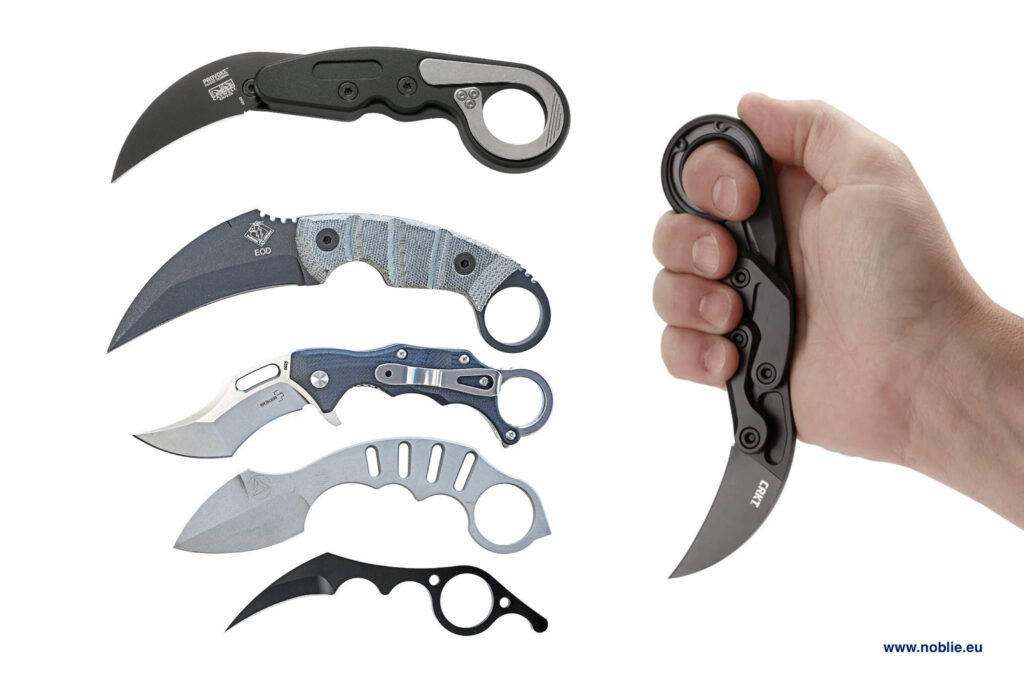
The use of a knife for self-defense is a complex and sensitive issue. While knives can be effective tools for protection, their use carries significant legal and ethical implications. It’s crucial to understand the laws surrounding knife self-defense, the justification required for using a knife, and the safety precautions necessary when engaging in such situations. This article will delve into these aspects, providing you with valuable information to make informed decisions regarding knife self-defense.
This article will explore the legal framework surrounding knife self-defense, examine the criteria for justifying its use, outline essential safety measures, and emphasize the importance of seeking professional legal and self-defense guidance.
Knife Self-Defense Laws
Knife self-defense laws vary significantly from state to state and even within jurisdictions. Some states have strict regulations on carrying knives, while others allow for greater freedom. It’s imperative to familiarize yourself with the specific knife laws in your area, including restrictions on types of knives, permissible carry methods, and legal grounds for using a knife in self-defense.
Understanding the nuances of “stand your ground” laws is also crucial. These laws generally permit the use of force, including deadly force, if an individual reasonably believes they are in imminent danger of harm. However, the interpretation and application of these laws can differ widely. Consulting with legal professionals familiar with your local jurisdiction’s specific statutes is essential to ensure compliance and protect your rights.
Justification for Using a Knife

The justification for using a knife in self-defense hinges on several factors. The primary consideration is the severity of the threat you face. If you reasonably believe that you or another person is in imminent danger of serious bodily harm or death, using a knife as a last resort may be justified.
Furthermore, your actions must be proportionate to the perceived threat. Using excessive force, such as stabbing someone who poses no immediate lethal danger, could lead to legal repercussions. It’s crucial to assess the situation objectively and act only when necessary to protect yourself or others from imminent harm.
Duty to Retreat
Some jurisdictions have a “duty to retreat” law, which requires individuals to attempt to escape a dangerous situation before resorting to force, including using a knife. However, other states recognize an exception to this duty if the individual is in their own home, known as the “castle doctrine.” Understanding your state’s specific laws regarding duty to retreat is essential for determining your legal obligations in self-defense situations.
Safety Precautions in Knife Defense
Engaging in a knife fight is inherently dangerous and should be avoided whenever possible. However, if you find yourself in such a situation, prioritizing safety is paramount.
First and foremost, maintain a safe distance from the attacker. Avoid engaging in close combat unless absolutely necessary. If possible, attempt to de-escalate the situation verbally or use non-lethal means of defense, such as pepper spray or a personal alarm.
Proper Knife Handling
If you choose to use a knife for self-defense, ensure you are proficient in its handling and safe operation. Practice proper grip techniques, learn basic cutting and thrusting movements, and understand the limitations of your weapon. Avoid using a knife unless you are confident in your ability to control it effectively.
Seek Medical Attention
After any self-defense incident involving a knife, seek immediate medical attention for yourself and any injured parties. Even seemingly minor wounds can become infected or lead to complications.
Deadly Force and Stabbing

The use of deadly force, such as stabbing someone, should always be considered a last resort in situations where you face an imminent threat of death or serious bodily harm.
Can you stab someone in self defense? Can I stab someone in self defense? These are complex legal questions that depend on the specific circumstances and local laws. Generally, the law recognizes the use of deadly force as justifiable only when it is necessary to prevent imminent death or grievous bodily injury.
It’s crucial to remember that using a knife for lethal purposes carries severe legal consequences. Prosecutors will carefully examine the evidence, including your actions, the attacker’s behavior, and any available witnesses, to determine if the use of deadly force was justified.
Legal Consultation and Expert Advice
Given the complexities surrounding knife self-defense, seeking professional legal and self-defense guidance is highly recommended. Consulting with an attorney specializing in criminal law can provide you with a clear understanding of your rights and obligations under local laws.
Additionally, enrolling in reputable self-defense classes taught by experienced instructors can equip you with valuable skills and knowledge to navigate potentially dangerous situations safely and effectively.
Conclusion
Knife self-defense is a serious matter that demands careful consideration and informed decision-making. Understanding the legal framework, justification criteria, safety precautions, and potential consequences is essential for responsible and effective self-protection. Remember, using a knife should always be a last resort in life-threatening situations, and seeking professional legal and self-defense advice is highly recommended to ensure your safety and well-being.