
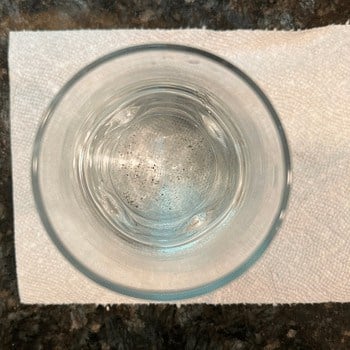
Seeing black specks in your Brita water filter or Brita-filtered water can be unsettling. These dark bits might make you question the safety of your drinking water. However, understanding why these black specks in brita water appear is crucial. Often, they are simply a result of activated carbon within the filter breaking down naturally over time. This process doesn’t necessarily mean your water is contaminated.
This article will delve into the common causes of brita black specks in water, explain how activated carbon works, and provide clear guidelines on when to replace your Brita filter for optimal water quality. We’ll also address potential concerns about contamination and offer tips for ensuring your drinking water remains safe and clean.
Brita Black Specks Causes
Several factors can contribute to the appearance of black specks in brita filter or brita filter black specks. The most common cause is the natural breakdown of activated carbon, a key component in Brita filters designed to remove impurities from water.
Activated Carbon Breakdown
Activated carbon is a highly porous material with an extensive surface area. This structure allows it to effectively trap and adsorb various contaminants, including chlorine, sediment, and organic compounds. Over time, as the filter works, activated carbon particles can break down into smaller pieces, resulting in those noticeable black specks in brita water.
This breakdown is a normal part of the filtration process and doesn’t necessarily indicate a problem with your filter or your water quality. However, if you notice a significant increase in the number of black specks in brita water filter, it could be a sign that your filter needs to be replaced.
When to Replace Brita Filter
Replacing your Brita filter regularly is essential for maintaining optimal water quality and preventing potential issues. Brita recommends replacing filters every 40 gallons or two months, whichever comes first.
Signs Your Filter Needs Replacing
Beyond the appearance of black specks in brita water, several other signs indicate it’s time to replace your Brita filter:
- Reduced Water Flow: If you notice a significant decrease in the flow rate of filtered water, it could be a sign that your filter is clogged and needs replacing.
- Change in Taste or Odor: If your filtered water starts tasting or smelling different, even faintly, it’s a good indication that your filter is no longer effectively removing impurities.
Brita Water Filter Contamination
While activated carbon breakdown is the most common cause of black specks in brita water, there are other potential sources of contamination to be aware of.
Potential Sources of Contamination
- Manufacturing Defects: Although rare, manufacturing defects in the filter itself could lead to contamination.
- Improper Handling or Storage: If your Brita filter is not handled or stored properly, it could become contaminated with bacteria or other microorganisms.
Conclusion
Seeing black specks in brita water can be concerning, but understanding their cause is key. In most cases, these black specks in brita filter are simply a result of activated carbon breakdown and don’t indicate contamination. However, it’s important to monitor the number of black specks in brita water filter and replace your Brita filter regularly according to manufacturer guidelines. By following these simple tips, you can ensure that your Brita water filter continues to provide clean, safe drinking water for you and your family.