
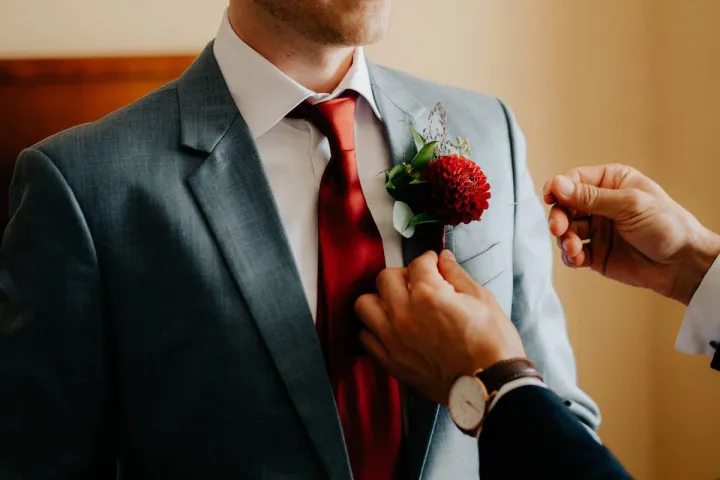
Ever wondered about the significance behind a boutonniere and who typically purchases it? This seemingly simple question can actually reveal a lot about the dynamics at play during various events. By examining the context of different occasions, we can decipher the potential motivations behind a woman buying a boutonniere for someone else.
This article will delve into the world of boutonnieres, exploring their connection to specific events like weddings and proms. We’ll analyze the roles individuals typically play in these settings and how those roles might influence purchasing decisions. Ultimately, we aim to shed light on the fascinating interplay between event etiquette, relationships, and the symbolic gesture of a boutonniere.
Boutonnieres and Events
Boutonnieres are small floral arrangements worn by men on their lapels or buttonholes, adding a touch of elegance and formality to special occasions. Their history dates back centuries, with origins in European courtly traditions where they symbolized status and wealth. Today, boutonnieres remain a popular accessory for events like weddings, proms, galas, and even funerals.
The type of event significantly influences the style and significance of the boutonniere. Weddings often feature elaborate arrangements that complement the bride’s bouquet, while prom boutonnieres tend to be more youthful and playful. Regardless of the occasion, a boutonniere serves as a visual cue, signifying participation in a particular celebration and adding a touch of sophistication to the wearer’s attire.
Beyond their aesthetic appeal, boutonnieres also carry symbolic meaning. They can represent love, commitment, respect, or even remembrance, depending on the context. For instance, at a wedding, a boutonniere might symbolize the groom’s devotion to his bride, while at a funeral, it could serve as a tribute to the deceased.
Wedding Boutonnieres
Wedding boutonnieres are an integral part of the bridal party attire, complementing the bride’s bouquet and creating a cohesive visual theme. Traditionally, groomsmen and fathers of the bride and groom wear matching boutonnieres, signifying their roles in the ceremony.
The style of wedding boutonniere often reflects the overall aesthetic of the wedding itself. A rustic wedding might feature wildflowers or greenery, while a formal affair could call for elegant roses or orchids. The choice of flowers also holds symbolic meaning; roses represent love and passion, lilies symbolize purity and innocence, and daisies convey joy and cheerfulness.
The bride typically plays a role in selecting the boutonnieres for her bridal party, ensuring they complement her bouquet and the wedding’s overall theme. She may choose to purchase them from a florist or create them herself, adding a personal touch to this important detail.
Groom’s Boutonniere
The groom’s boutonniere often takes center stage, reflecting his personal style and taste. It might feature a single bloom, a cascading arrangement, or even incorporate elements like ribbons or greenery. The groom’s boutonniere should complement the bride’s bouquet without overshadowing it, creating a harmonious balance.
Prom Boutonnieres
Prom boutonnieres are typically more casual and playful than wedding boutonnieres, reflecting the youthful energy of the event. They often feature bright colors, unique designs, and even incorporate non-floral elements like feathers or miniature toys.
The choice of prom boutonniere can be a fun way for young men to express their personality and style. Popular choices include corsages with small flowers, succulents, or even candy attached. The boutonniere should complement the overall prom attire, adding a touch of flair without being too overwhelming.
Prom Etiquette
While there are no strict rules regarding who buys the prom boutonniere, it’s often the responsibility of the young man attending the event to purchase his own. However, in some cases, parents or friends might offer to buy the boutonniere as a gift.
Relationship Dynamics
The decision of who purchases a boutonniere can reveal interesting insights into the relationship between the giver and the recipient. In formal settings like weddings, it’s often expected that the bride or her family will purchase boutonnieres for the groom and his party. This reflects the traditional roles within a wedding ceremony and the bride’s role as the central figure.
In less formal events like proms, the dynamics might be different. The young man attending prom may choose to purchase his own boutonniere, demonstrating independence and responsibility. Alternatively, parents or friends might offer to buy it as a gesture of support and encouragement.
Purchasing Decisions
Ultimately, the decision of who buys a boutonniere is influenced by various factors, including the type of event, cultural norms, personal preferences, and financial considerations.
In some cases, tradition dictates who should purchase the boutonniere, while in others, individual circumstances play a more significant role. Regardless of who makes the purchase, the gesture itself carries symbolic meaning, representing thoughtfulness, care, and attention to detail.
Conclusion
The seemingly simple question of “Does she buy a boutonniere?” unveils a fascinating world of event etiquette, relationship dynamics, and personal expression. By analyzing the context of different occasions and considering the roles individuals play, we can gain valuable insights into the motivations behind purchasing decisions. Whether it’s a wedding, prom, or another special event, the boutonniere serves as a powerful symbol, adding a touch of elegance and meaning to the celebration.