
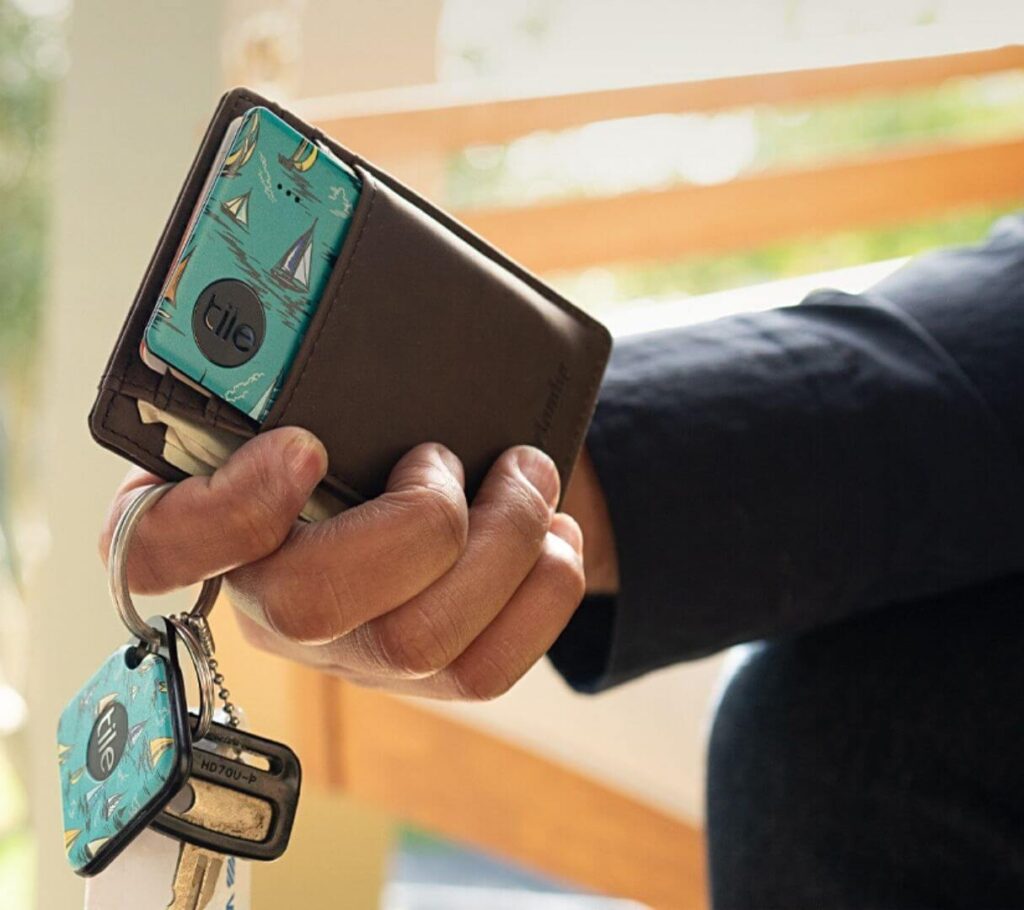
Losing your wallet can be a truly unsettling experience. Suddenly, you’re faced with the daunting task of replacing essential documents and cards, not to mention the potential for financial loss. The feeling of panic that sets in when you realize your wallet is missing can be overwhelming. This article aims to guide you through a systematic approach to finding your lost wallet, minimizing stress and maximizing your chances of success.
We’ll explore practical tips on retracing your steps, checking common locations, and conducting a thorough search based on the last known location of your wallet. By following these strategies, you can increase your odds of recovering your missing wallet and restoring peace of mind.
Lost Wallet Stress
The immediate reaction to losing your wallet is often a surge of anxiety. You might feel a sense of vulnerability knowing that important personal information and financial resources are potentially compromised. This stress can cloud your judgment and make it harder to think clearly about how to find your wallet. It’s crucial to take a moment to calm down and approach the situation methodically.
Take deep breaths, remind yourself that you’re not alone in experiencing this, and focus on taking actionable steps to recover your wallet. Remember, panicking won’t help; a clear head and organized approach will be far more effective.
Retrace Your Steps
The most fundamental step in finding a lost wallet is retracing your steps. Think back to the last time you had your wallet in hand and consider all the places you’ve been since then.
Start by mentally mapping out your journey, noting each location you visited and any activities you engaged in. This mental exercise can help jog your memory and pinpoint potential areas where your wallet might have slipped out of your possession.
Check Common Locations
Once you’ve retraced your steps, it’s time to systematically check common locations where wallets are often misplaced:
- Pockets: Thoroughly examine all pockets in your pants, jacket, and any bags you were carrying.
- Purse or Handbag: If you use a purse or handbag, inspect every compartment, including zippered pockets and the lining.
- Car: Check under the seats, in the glove compartment, between the cushions, and in the trunk. Don’t forget to look in any bags or containers stored in your vehicle.
- Desk or Work Area: If you were at work or studying, carefully search your desk, drawers, and any nearby surfaces where you might have placed your wallet temporarily.
Systematic Search
If retracing your steps and checking common locations haven’t yielded results, it’s time to conduct a more thorough systematic search of the last known location of your wallet.
- Divide and Conquer: Break down the area into smaller sections and methodically search each section one by one. This prevents you from overlooking any potential hiding spots.
- Look Underneath: Pay close attention to areas under furniture, behind appliances, and in corners where items tend to accumulate.
- Check Inside Appliances: If your wallet was near an appliance like a refrigerator or oven, carefully check inside for any misplaced items.
Last Known Location Details
If you remember the specific location where you last had your wallet, focus your search efforts there.
Think about what activities you were engaged in at that time and consider any potential places where your wallet might have fallen out of your pocket or bag.
Conclusion
Losing your wallet can be a stressful experience, but by following these steps, you can increase your chances of finding it quickly and efficiently. Remember to stay calm, retrace your steps, check common locations thoroughly, and conduct a systematic search of the last known location. If all else fails, consider reporting your lost wallet to the authorities and contacting your bank and credit card companies to prevent unauthorized use.

