
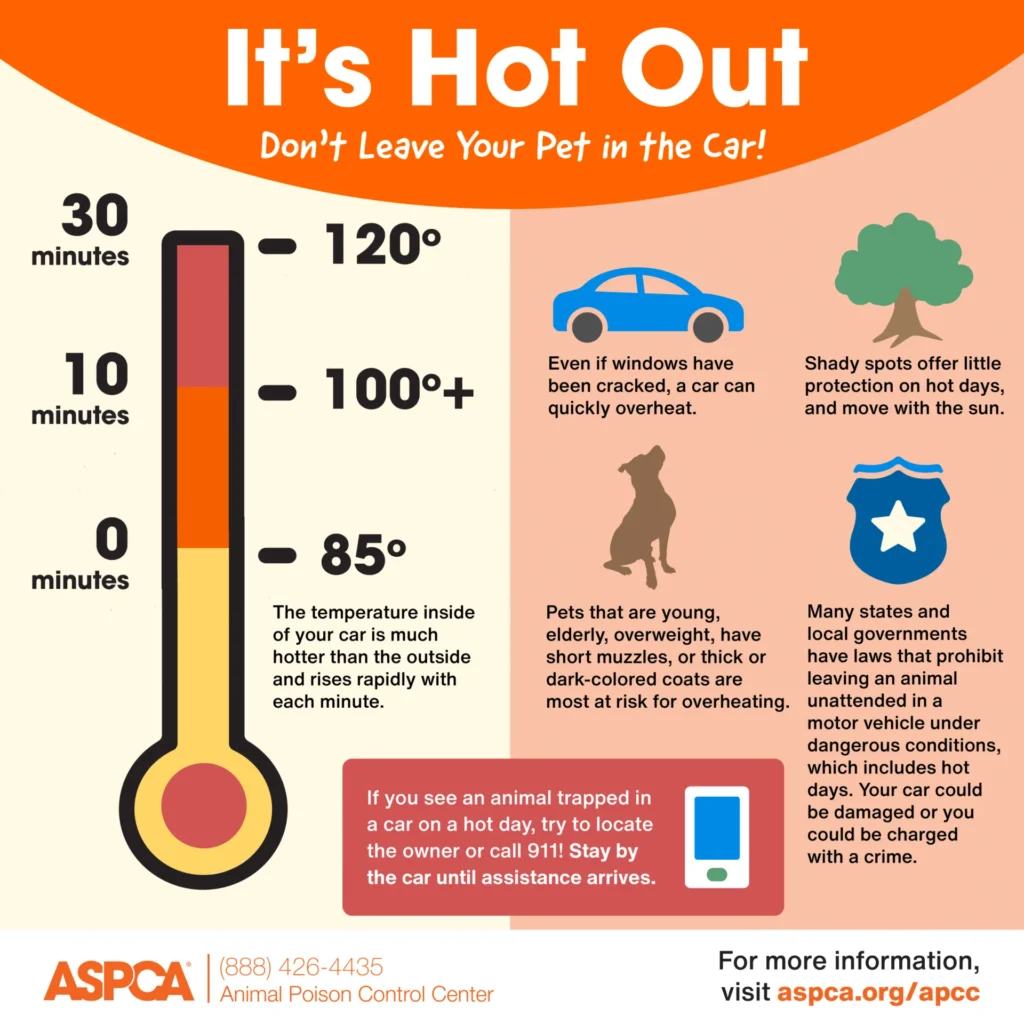
Leaving your dog unattended in a car, even for a short while, can be incredibly dangerous. While you might think a few minutes won’t hurt, the temperature inside a parked vehicle can soar rapidly, creating a life-threatening situation for your furry companion. This article will delve into the serious risks associated with leaving dogs in hot cars, provide guidance on recognizing heatstroke symptoms, and offer practical tips to keep your dog safe and comfortable during warm weather.
This comprehensive guide will explore the dangers of leaving dogs in hot cars, outline the signs of heatstroke, and equip you with essential knowledge and strategies to prevent overheating and ensure your dog’s well-being.
Dangers of Leaving Dogs in Hot Cars
Dogs are susceptible to heatstroke much faster than humans due to their inability to sweat effectively. They primarily regulate their body temperature through panting, which becomes less efficient in hot, humid conditions. When a dog is left in a parked car, the temperature inside can rise dramatically within minutes, even on seemingly mild days.
The dangers of leaving your dog in a hot car are multifaceted and severe. A closed vehicle acts like a greenhouse, trapping heat and creating an environment where temperatures can climb to dangerous levels quickly. This rapid increase in temperature puts immense stress on a dog’s cardiovascular system, leading to overheating, organ damage, and potentially fatal consequences.
Even cracking the windows slightly does little to mitigate the risk. Air circulation is insufficient to prevent a dangerous rise in internal temperature. Leaving your dog in a car, even for a short errand, can have devastating results.
Heatstroke Symptoms in Dogs
Recognizing the signs of heatstroke in dogs is crucial for prompt intervention and potentially saving their life. Be vigilant and watch for these warning indicators:
- Excessive panting or rapid breathing: A dog experiencing heatstroke will pant heavily and struggle to catch their breath.
- Drooling or foaming at the mouth: Increased salivation can be a sign of distress and overheating.
- Weakness, lethargy, or collapse: A dog suffering from heatstroke may appear weak, sluggish, or even collapse.
- Red or purple gums: A change in gum color indicates a lack of oxygen and a serious medical emergency.
- Vomiting or diarrhea: These symptoms can accompany heatstroke and indicate internal distress.
If you notice any of these signs, immediately move your dog to a cool, shaded area, offer them water, and contact your veterinarian or an emergency animal hospital without delay.
Preventing Dog Overheating in Vehicles
Taking proactive steps to prevent dog overheating in vehicles is essential for their safety and well-being. Here are some practical measures you can implement:
- Never leave your dog unattended in a parked car: This should be your golden rule. Even on cooler days, temperatures inside a vehicle can rise rapidly.
- Park in the shade: Whenever possible, choose shaded parking spots to minimize exposure to direct sunlight.
- Crack windows slightly: While not a foolproof solution, cracking windows can provide some ventilation and help reduce internal temperature. However, never rely solely on this method.
- Use a sunshade: Invest in a car sunshade to block out harmful UV rays and keep the interior cooler.
Keeping Your Dog Cool During Summer
Beyond preventing overheating in vehicles, there are several ways to keep your dog cool and comfortable during hot weather:
- Provide plenty of fresh water: Ensure your dog always has access to clean, cool water. Consider adding ice cubes or frozen treats to their water bowl for extra refreshment.
- Offer shady areas: Create shaded spots in your yard or on walks where your dog can rest and escape the heat.
- Limit outdoor activity during peak hours: Avoid strenuous exercise or long walks during the hottest parts of the day. Opt for early morning or evening outings when temperatures are cooler.
Dog Car Safety Tips
When traveling with your dog in a car, prioritize their safety:
- Use a secure harness or crate: Never allow your dog to roam freely in the vehicle. A properly fitted harness or crate will prevent them from being injured in an accident and keep them restrained.
- Keep windows closed at highway speeds: Open windows can pose a risk of injury if your dog is not securely restrained.
- Take breaks for potty and water stops: Plan regular stops during long car trips to allow your dog to stretch their legs, relieve themselves, and rehydrate.
Conclusion
The safety of your dog should always be paramount. Leaving them unattended in a hot car can have devastating consequences. By understanding the dangers, recognizing heatstroke symptoms, and implementing preventative measures, you can ensure your furry companion stays safe and comfortable during warm weather. Remember, it’s okay to leave your dog in a hot car is never acceptable. Choose responsible pet ownership by prioritizing their well-being above all else.
Curious about this topic? Read: can you taxidermy a human