
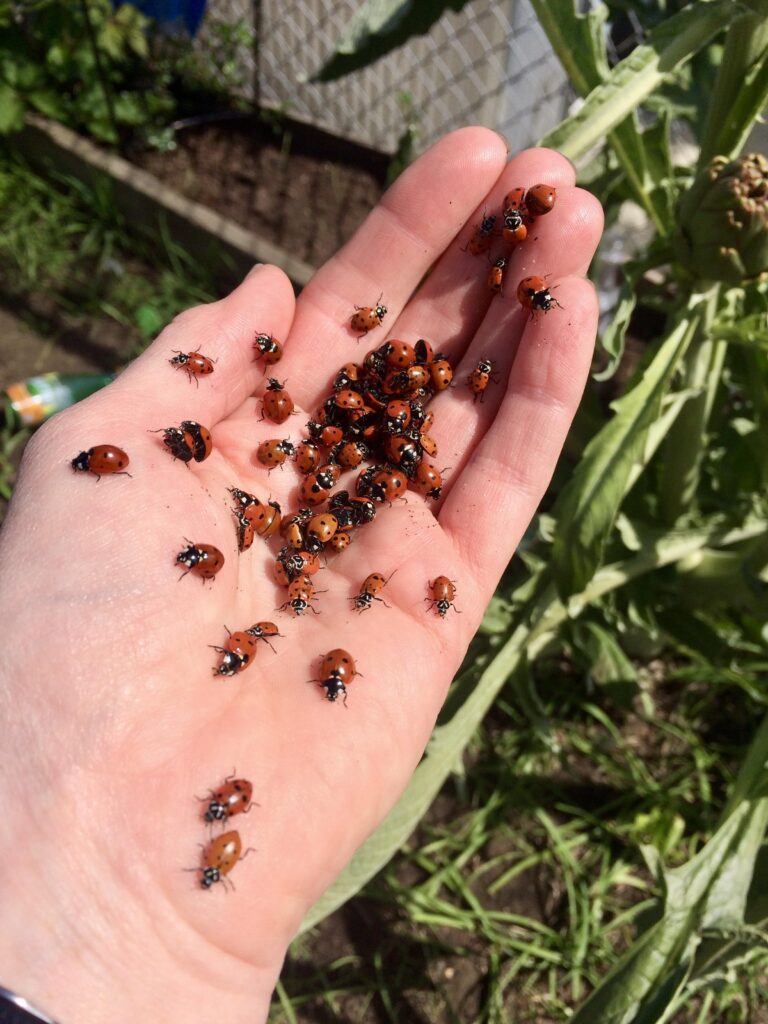
Have you noticed a sudden surge of ladybugs in your garden lately? These vibrant, polka-dotted beetles are often welcomed guests, known for their appetite for pesky aphids. But why are there so many ladybugs all of a sudden? This increase in ladybug population can be attributed to several factors, including ideal weather conditions, an abundance of food sources, and the natural lifecycle of these beneficial insects.
This article will delve into the reasons behind this ladybug boom, exploring how environmental factors and their biological processes contribute to their population growth. By understanding these factors, we can gain a deeper appreciation for the role ladybugs play in maintaining a healthy ecosystem and controlling pest populations in our gardens.
Ladybug Population Boom
A sudden influx of ladybugs in your garden is often a sign of a thriving ladybug population. These insects reproduce rapidly, especially under favorable conditions. A single female ladybug can lay hundreds of eggs throughout her lifetime, leading to a significant increase in the number of young ladybugs emerging each season. This rapid reproduction rate allows for quick population booms when environmental factors are ideal.
Ladybug populations naturally fluctuate throughout the year, with peaks occurring during warmer months when food is abundant and breeding conditions are optimal. These fluctuations can be influenced by various factors, including weather patterns, predator populations, and the availability of their primary food source: aphids.
Favorable Weather Conditions
Ladybugs thrive in warm, sunny climates with moderate rainfall. When temperatures are mild and there’s sufficient moisture, ladybugs are more active and reproduce at a faster rate. Conversely, extreme cold or prolonged drought can negatively impact ladybug populations, leading to reduced breeding and survival rates.
A particularly warm spring followed by a summer with ample sunshine and rainfall can create ideal conditions for a ladybug population boom. These favorable weather patterns encourage increased feeding, reproduction, and overall ladybug activity in gardens and surrounding areas.
Abundant Food Sources
Ladybugs are voracious predators of aphids, small insects that feed on plant sap and can cause significant damage to crops and garden plants. When aphid populations are high, ladybugs have a readily available food source, leading to increased feeding and reproduction.
The presence of diverse flowering plants in your garden can also attract beneficial insects like ladybugs. These flowers provide nectar and pollen for adult ladybugs, while the surrounding foliage may harbor aphids, creating a favorable habitat for these beneficial beetles.
Aphid Control
Ladybugs play a crucial role in controlling aphid populations, acting as natural pest control agents. Their voracious appetite for aphids helps to keep their numbers in check, reducing damage to plants and promoting healthy growth.
By introducing ladybugs into your garden or creating a habitat that attracts them naturally, you can harness their beneficial feeding habits to manage aphid infestations without resorting to harmful pesticides. This natural approach to pest control benefits both your garden and the environment.
Ladybug Lifecycle
Understanding the ladybug lifecycle can shed light on their population dynamics. Ladybugs undergo a complete metamorphosis, transitioning through four stages: egg, larva, pupa, and adult.
The entire lifecycle typically takes several weeks, with females laying eggs in clusters near aphid colonies. The larvae hatch and feed voraciously on aphids, growing rapidly before entering the pupal stage. After emerging from their pupal cases as adults, ladybugs continue to feed on aphids and reproduce, contributing to the overall population growth.
Conclusion
The sudden appearance of numerous ladybugs in your garden is often a positive sign, indicating a thriving ecosystem and effective natural pest control. Understanding the factors that contribute to ladybug population booms, such as favorable weather conditions, abundant food sources, and their rapid lifecycle, allows us to appreciate these beneficial insects even more. By creating gardens that support both ladybugs and other beneficial insects, we can promote a healthy balance in our ecosystems and enjoy the benefits of natural pest control.

