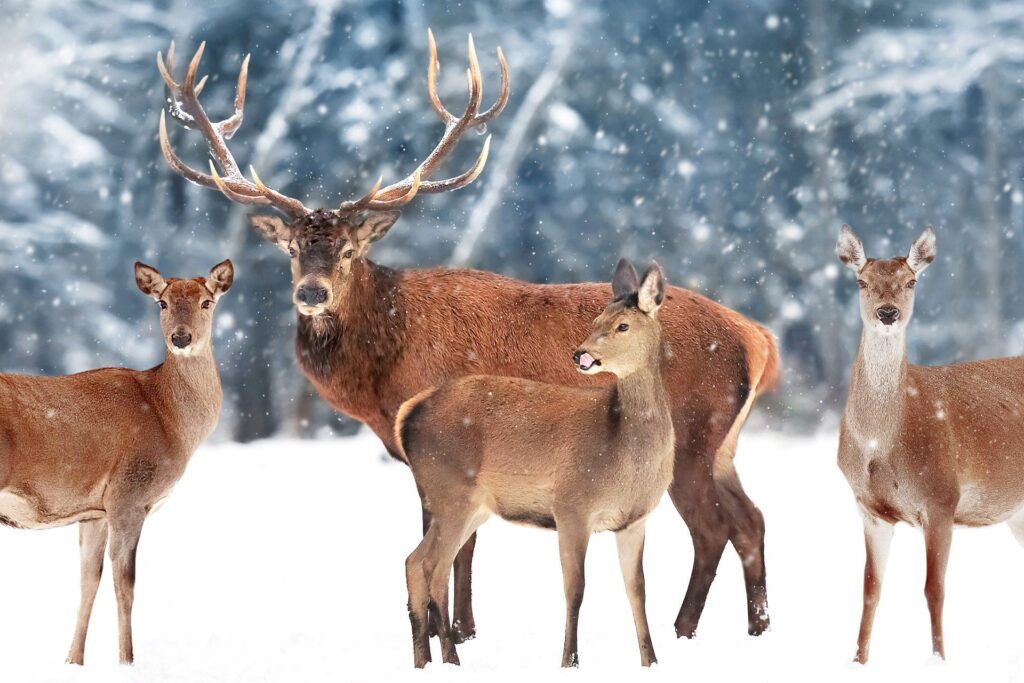
Winter’s icy grip can be a formidable challenge for many animals, but deer have evolved remarkable adaptations to thrive in cold climates. These graceful creatures possess a suite of physiological and behavioral strategies that allow them to not only survive but flourish even when temperatures plummet. From their thick fur coats to their efficient metabolism, deer demonstrate nature’s ingenuity in overcoming the harsh realities of winter.
This article delves into the fascinating world of deer adaptations for cold weather survival. We will explore their remarkable fur, their ability to lower body temperature, their specialized hooves for navigating snowy terrain, and their dietary adjustments during the colder months. By understanding these adaptations, we gain a deeper appreciation for the resilience and adaptability of these magnificent animals.
Deer Fur Adaptations for Cold Weather
One of the most striking features that allows deer to withstand frigid temperatures is their thick fur coat. This dense layer of hair acts as insulation, trapping a warm layer of air close to their skin and preventing heat loss to the environment. Deer’s winter coats are significantly thicker than their summer coats, providing crucial protection against the biting wind and snow.
The structure of deer fur also contributes to its insulating properties. The outer layer consists of long, coarse hairs that repel water and snow, while the undercoat is composed of soft, downy hairs that trap heat effectively. This two-layered system creates a barrier against the cold, keeping deer warm even in sub-zero temperatures.
Furthermore, deer have specialized glands that produce an oily substance called sebum. Sebum coats the fur, making it water-resistant and enhancing its insulating capacity. This adaptation is particularly important in wet or snowy conditions, as it prevents the fur from becoming heavy and matted, which would hinder its ability to trap heat.
Low Body Temperature in Deer
Deer have evolved a remarkable ability to lower their body temperature during cold weather. While this may seem counterintuitive, reducing their internal temperature allows them to conserve energy and survive periods of food scarcity. This physiological adaptation is known as torpor, and it involves a gradual decrease in metabolic rate and heart rate.
During torpor, deer’s body temperature can drop by several degrees Celsius, but they remain conscious and responsive. They typically enter torpor at night or during periods of extreme cold, emerging when temperatures rise or food becomes more readily available. This strategy allows them to minimize energy expenditure and survive harsh winter conditions.
The ability to lower their body temperature is a crucial adaptation for deer, as it enables them to conserve precious energy reserves during times of limited food availability. It highlights the remarkable flexibility of their physiology and their ability to adapt to challenging environments.
Hooves for Snow and Ice Traction
Deer possess specialized hooves that provide excellent traction on snow and ice, allowing them to navigate slippery surfaces with ease. Their hooves are broad and flat, with a rough surface that grips onto packed snow or frozen ground.
The shape of their hooves also plays a role in their ability to move efficiently on snow. The wide base distributes their weight evenly, preventing them from sinking too deeply into the snow. Additionally, deer have strong leg muscles that propel them forward with powerful strides, further enhancing their mobility on snowy terrain.
These adaptations allow deer to traverse challenging winter landscapes without difficulty, enabling them to access food sources and escape predators even in the most treacherous conditions.
Deer Diet During Winter
As temperatures drop and vegetation becomes scarce, deer must adapt their diet to survive the winter months. They rely heavily on stored body fat accumulated during the fall and spring grazing seasons.
Deer also browse on woody plants, such as twigs, bark, and buds, which provide essential nutrients during periods of limited food availability. They may also consume fallen fruit or nuts if available.
In some regions, deer may even resort to eating lichens or fungi growing on trees, demonstrating their remarkable adaptability in finding sustenance during the harshest months.
Conclusion
Deer have evolved an impressive array of adaptations that allow them to not only survive but thrive in cold weather environments. Their thick fur coats, ability to lower body temperature, specialized hooves for traction, and flexible diet all contribute to their resilience and success in winter conditions. These remarkable adaptations serve as a testament to the power of natural selection and the ingenuity of life in overcoming environmental challenges.