
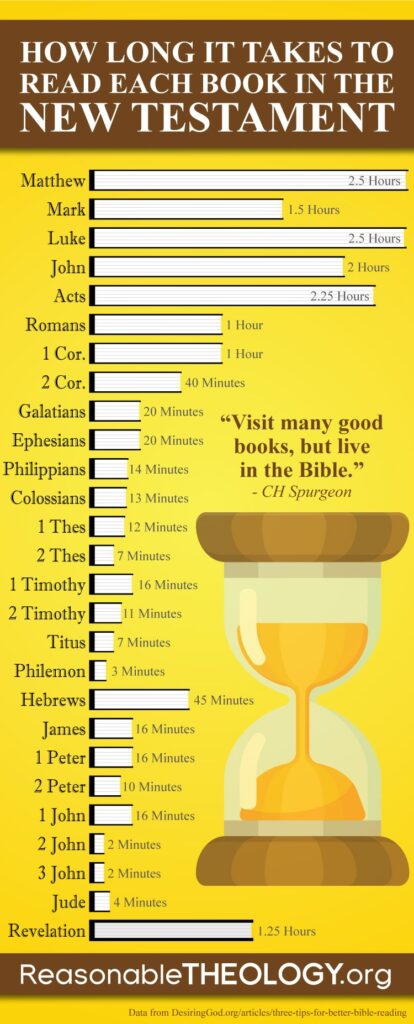
The New Testament, a foundational text in Christianity, holds immense spiritual significance for billions worldwide. It narrates the life, teachings, death, and resurrection of Jesus Christ, along with the early history of the Christian church. Understanding the structure and length of this sacred book can provide valuable insights into its content and impact. This article delves into the number of books within the New Testament, explores the typical page count, compares it to the entire Bible, and examines the relationship between the Old and New Testaments.
New Testament Books
The New Testament consists of 27 distinct books, each contributing to a cohesive narrative about Jesus and his followers. These books are categorized into four main genres: Gospels, Acts, Pauline Epistles, and General Epistles. The Gospels – Matthew, Mark, Luke, and John – offer unique perspectives on Jesus’ life, ministry, and teachings. Acts chronicles the spread of Christianity after Jesus’ ascension, highlighting the work of the apostles. The Pauline Epistles, written primarily by the apostle Paul, address various theological and practical issues facing early Christian communities. Finally, the General Epistles encompass letters from other New Testament authors, such as James, Peter, John, and Jude, offering guidance and encouragement to believers.
The Gospels
Each Gospel presents a distinct portrayal of Jesus’ life and ministry. Matthew emphasizes Jesus’ fulfillment of Jewish prophecy, while Mark focuses on his actions and miracles. Luke provides a more detailed account of Jesus’ teachings and compassion for the marginalized. John offers a theological perspective, highlighting Jesus’ divinity and relationship with God.
Acts
Acts serves as a bridge between the Gospels and the Pauline Epistles, narrating the early church’s growth and expansion through the ministry of the apostles. It recounts events such as the Pentecost miracle, Paul’s conversion, and his missionary journeys throughout the Roman Empire.
Pauline Epistles
Paul’s letters address a wide range of theological and practical concerns faced by early Christians. He tackles issues like salvation, justification, sanctification, church unity, and ethical conduct. His writings are known for their depth, clarity, and enduring relevance to Christian faith and life.
Page Count of the New Testament

The length of the New Testament can vary depending on factors such as font size, edition, and inclusion of additional materials like introductions or footnotes. However, a typical New Testament printed in standard font will contain approximately how many pages in the new testament 1,000 pages.
Factors Affecting Page Count
Font size plays a significant role in determining the page count. A larger font will result in fewer pages, while a smaller font will increase the number of pages. Different editions may also include varying amounts of introductory material or footnotes, which can affect the overall length.
Bible Length Comparison
When considering the entire Bible, which encompasses both the Old and New Testaments, the page count increases significantly. A standard edition of the Bible typically contains between how many page are in the bible 1,500 and 2,000 pages. This reflects the vast scope of the Old Testament, which comprises 39 books covering a wide range of historical narratives, poetry, law, and prophecy.
Old vs. New Testament Length
The Old Testament is considerably longer than the New Testament in terms of both page count and number of books. The Old Testament contains approximately 929 chapters and how many pages in new testament 1,000 pages, while the New Testament has 260 chapters and around 1,000 pages.
Old and New Testaments

The Old and New Testaments are distinct yet interconnected parts of the Christian Bible. The Old Testament lays the foundation for understanding God’s covenant with humanity, his laws, and his prophets. It foreshadows the coming of Jesus Christ as the Messiah. The New Testament reveals the fulfillment of these prophecies through Jesus’ life, death, and resurrection. Together, they form a unified narrative about God’s plan for salvation and redemption.
Relationship Between Testaments
The two testaments are often described as “covenant” and “new covenant.” The Old Covenant established between God and Israel is superseded by the New Covenant established through Jesus Christ. This new covenant offers forgiveness of sins, eternal life, and a restored relationship with God.
Conclusion
Understanding the structure and length of the New Testament provides valuable context for its profound message. With 27 books spanning approximately how many pages in the new testament 1,000 pages, it offers a rich tapestry of narratives, teachings, and letters that continue to shape Christian faith and practice today. The New Testament’s relationship with the Old Testament highlights the continuity and progression of God’s revelation throughout history, culminating in the ultimate fulfillment of his promises through Jesus Christ.

