

Culinary arts encompass the fascinating world of food preparation, encompassing both practical skills and artistic expression. It’s a field where technical expertise meets creative flair, resulting in delectable dishes that tantalize taste buds and captivate the senses. This article delves into the multifaceted nature of culinary arts, exploring its aspects as both a respected trade and a captivating art form.
We’ll examine the essential skills and knowledge required to excel in this profession, delve into the artistic elements that elevate cooking beyond mere sustenance, and highlight the crucial role of creativity, passion, and innovation in shaping culinary trends and experiences.
Culinary Arts as a Trade
Is culinary arts a trade? Absolutely! The culinary industry relies heavily on skilled professionals who possess a deep understanding of food preparation techniques, ingredient properties, and kitchen operations. Culinary arts training often involves rigorous apprenticeships or formal education programs that equip individuals with the practical skills necessary to thrive in professional kitchens.
These programs cover a wide range of topics, including knife skills, cooking methods, recipe development, sanitation practices, and menu planning. Culinary professionals are highly sought after in various settings, from fine-dining restaurants to catering companies, hotels, and food production facilities. Their expertise ensures the consistent delivery of high-quality meals that meet industry standards and customer expectations.
The culinary trade demands precision, attention to detail, and a strong work ethic. Chefs and cooks often work long hours under pressure, requiring stamina, adaptability, and teamwork skills. A successful career in this field necessitates continuous learning and adaptation to evolving culinary trends and technologies.
Culinary Skills and Knowledge

Mastering the art of cooking requires a comprehensive set of skills and knowledge. Fundamental culinary techniques, such as sautéing, roasting, grilling, braising, and poaching, form the foundation of any aspiring chef’s repertoire. Understanding different cooking methods and their impact on flavor and texture is crucial for creating balanced and harmonious dishes.
Culinary professionals must also possess a thorough understanding of ingredients, including their origins, characteristics, and culinary applications. Knowledge of herbs, spices, sauces, and other flavor enhancers allows chefs to create complex and nuanced taste profiles. Furthermore, food safety and sanitation practices are paramount in the culinary world, ensuring the health and well-being of diners.
The Artistic Aspect of Culinary Arts
Beyond technical proficiency, is culinary a trade that transcends mere sustenance? Absolutely! Culinary arts possess an undeniable artistic dimension. Chefs often view cooking as a form of self-expression, using ingredients as their medium to create visually stunning and flavorful masterpieces.
Presentation plays a crucial role in elevating dishes from ordinary to extraordinary. Plating techniques, garnishes, and the overall aesthetic appeal contribute to the dining experience, engaging both the eyes and the palate. Just like painters use brushstrokes and sculptors mold clay, chefs utilize ingredients, textures, and colors to craft edible works of art.
Creativity in Cuisine
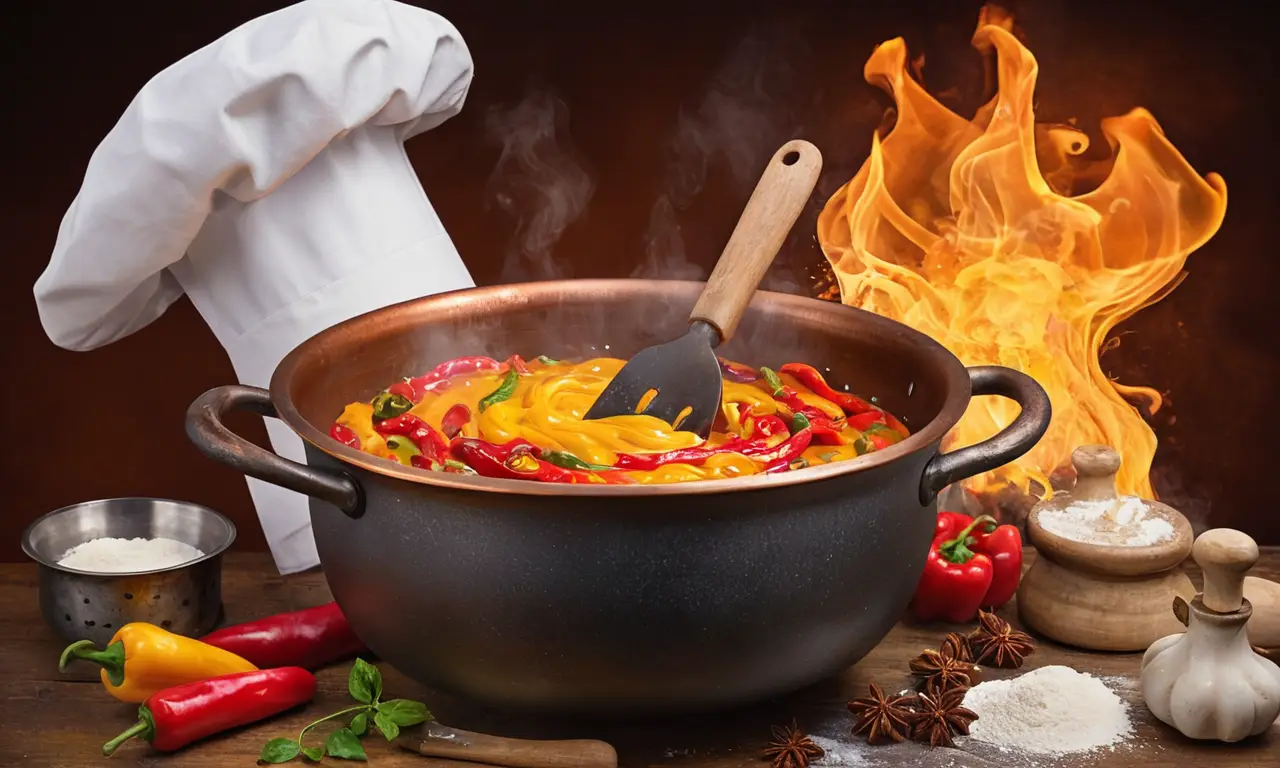
Culinary arts thrive on innovation and creativity. Chefs constantly experiment with new flavors, techniques, and combinations, pushing the boundaries of traditional cuisine. They draw inspiration from diverse cultures, global trends, and personal experiences, resulting in unique and exciting culinary creations.
Creativity in the kitchen involves thinking outside the box, exploring unconventional ingredients, and developing innovative cooking methods. It’s about finding new ways to present familiar flavors and textures, surprising diners with unexpected combinations, and constantly evolving the culinary landscape.
Passion and Innovation
A successful career in culinary arts demands a deep passion for food and an unwavering commitment to excellence. Culinary professionals are driven by a desire to create memorable dining experiences, using their skills and creativity to delight customers.
Innovation is at the heart of the culinary world. Chefs constantly strive to improve existing techniques, explore new ingredients, and develop groundbreaking dishes that set trends and inspire others. This passion for innovation ensures that the culinary arts remain a dynamic and ever-evolving field.
Conclusion
Culinary arts seamlessly blend the practical aspects of a trade with the artistic expression of a creative pursuit. It’s a profession that demands technical proficiency, creativity, passion, and a constant drive for innovation. Whether crafting classic dishes or pushing culinary boundaries, chefs play a vital role in shaping our food culture and enriching our lives through the art of cooking.

