
Beer, a beloved beverage enjoyed worldwide, offers a refreshing taste and social experience. However, it’s crucial to remember that beer contains ethanol, the intoxicating agent responsible for its effects. While moderate beer consumption can be part of a healthy lifestyle, excessive drinking poses significant risks to your well-being. This article delves into the relationship between beer consumption and ethanol, explores the dangers of overindulging, and provides essential guidelines for responsible drinking.
This comprehensive guide will examine the science behind can you get drunk off of beer, outlining the physiological effects of ethanol on the body. We’ll discuss the potential health consequences of excessive beer consumption, including its impact on various organs and systems. Furthermore, we’ll equip you with practical strategies for moderating your intake and promoting responsible drinking habits.
Beer Consumption & Ethanol
Beer is a fermented beverage produced by converting starches in grains like barley, wheat, or rice into sugars. Yeast then consumes these sugars, producing ethanol as a byproduct. The amount of ethanol in beer varies depending on factors such as the type of beer, brewing process, and alcohol content (ABV).
Ethanol, also known as ethyl alcohol, is a central nervous system depressant that affects brain function. When consumed, ethanol is absorbed into the bloodstream and rapidly distributed throughout the body. It crosses the blood-brain barrier, interfering with neurotransmitter activity and altering cognitive processes, mood, and motor skills.
The effects of ethanol are dose-dependent, meaning they intensify as consumption increases. A single serving of beer typically contains a small amount of ethanol, but multiple servings can lead to noticeable intoxication.
Risks of Excessive Beer Drinking

While moderate beer consumption may have some potential health benefits, excessive drinking poses numerous risks to both physical and mental well-being. Chronic alcohol abuse can damage vital organs, increase the risk of chronic diseases, and contribute to social and psychological problems.
Liver Damage
The liver is responsible for filtering toxins from the blood, including ethanol. Excessive beer consumption puts a strain on the liver, leading to fatty liver disease, alcoholic hepatitis, and cirrhosis. Cirrhosis is a severe condition characterized by scarring and impaired liver function, which can be fatal.
Cardiovascular Disease
Heavy alcohol use increases the risk of heart disease, stroke, and high blood pressure. Ethanol can damage blood vessels, raise cholesterol levels, and contribute to irregular heart rhythms.
Cancer Risk
Studies have linked excessive beer consumption to an increased risk of certain types of cancer, including mouth, throat, liver, breast, and colorectal cancer. Alcohol is a known carcinogen, meaning it can directly damage DNA and promote cell growth that leads to tumor formation.
Symptoms of Alcohol Poisoning
Alcohol poisoning occurs when a person consumes a large amount of alcohol in a short period, leading to life-threatening complications. It’s crucial to recognize the symptoms of alcohol poisoning and seek immediate medical attention if you or someone you know is experiencing them.
Early Signs
Nausea and vomiting, confusion, slurred speech, loss of coordination, drowsiness, and slowed breathing are early signs of alcohol poisoning.
Severe Symptoms
As alcohol poisoning progresses, symptoms can worsen significantly. These include seizures, unconsciousness, coma, and respiratory failure. In severe cases, alcohol poisoning can be fatal.
Responsible Drinking Guidelines

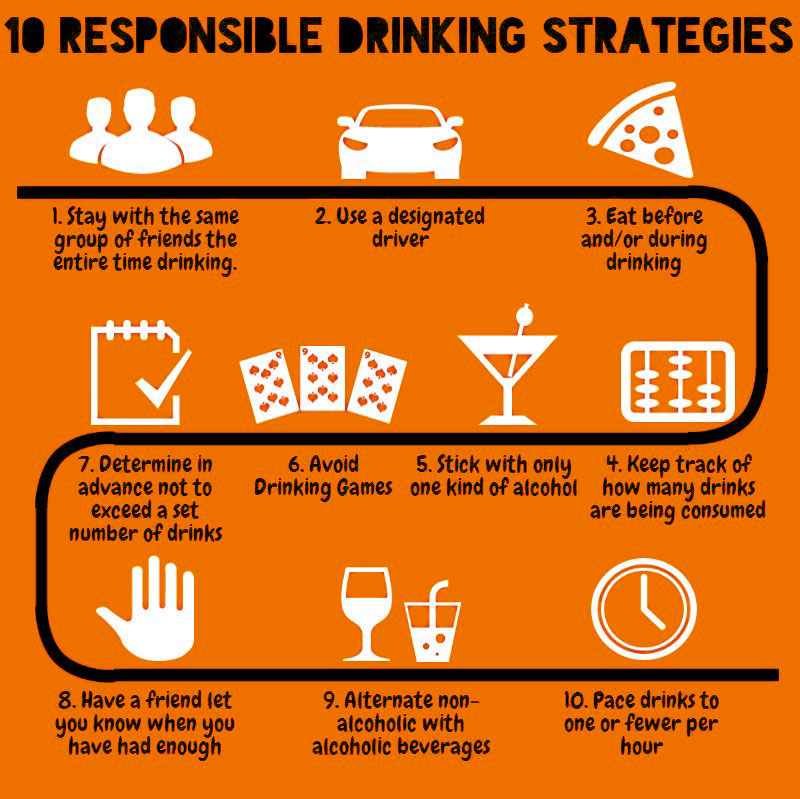
Promoting responsible drinking habits is essential for minimizing the risks associated with beer consumption.
Know Your Limits
Everyone metabolizes alcohol differently. Factors such as body weight, gender, metabolism, and food intake influence how your body processes ethanol. It’s important to understand your personal tolerance levels and avoid exceeding them.
Pace Yourself
Sip your drinks slowly and allow time for your body to process the alcohol. Avoid drinking on an empty stomach, as this can increase the rate of absorption.
Alternate with Non-Alcoholic Beverages
Mix alcoholic beverages with water or non-alcoholic drinks to slow down your consumption and stay hydrated.
Moderation and Limits
The concept of moderation is key to responsible beer consumption. Guidelines from health organizations recommend moderate drinking levels, typically defined as up to one drink per day for women and up to two drinks per day for men.
It’s important to note that these guidelines are general recommendations, and individual circumstances may vary. If you have any underlying health conditions or concerns, consult with your healthcare provider for personalized advice on alcohol consumption.
Conclusion
Beer can be enjoyed as part of a balanced lifestyle when consumed responsibly. Understanding the effects of ethanol, recognizing the risks of excessive drinking, and adhering to responsible drinking guidelines are crucial for safeguarding your health and well-being. By practicing moderation and prioritizing your health, you can enjoy beer in a safe and enjoyable manner.

