
Ever wondered how many steps your furry friend takes compared to you? While it’s easy to track our own activity, understanding a dog’s movement can be trickier. Dogs don’t walk the same way humans do, and their stride length varies greatly depending on breed, size, and even individual personality. This article aims to bridge that gap by providing a clear understanding of how convert human steps to dog steps, allowing you to accurately measure your dog’s daily activity and compare it to yours.
This article will delve into the differences between human and dog steps, introduce a handy step conversion calculator, explore the benefits of tracking your dog’s activity, and ultimately help you gain valuable insights into your canine companion’s movement patterns.
Dog Steps vs Human Steps
The most significant difference between human and dog steps lies in their stride length and gait. Humans typically take longer strides with a more deliberate pace, while dogs tend to have shorter, quicker steps. This variation is primarily due to anatomical differences: dogs have proportionally longer legs and a wider range of motion in their hips and shoulders.
Breed also plays a role in stride length. Smaller breeds like Chihuahuas naturally take smaller steps compared to larger breeds like Great Danes. Even within the same breed, individual dogs can exhibit variations in stride length based on factors like age, fitness level, and even personality. A playful puppy might take shorter, quicker steps than an older, more relaxed dog.
Step Conversion Calculator

To accurately convert human steps to dog steps, we need to consider both stride length and the number of steps taken. While there’s no one-size-fits-all formula due to the variations mentioned above, a general conversion can be achieved using the following:
Average Dog Stride Length: 6 inches (15 cm)
Average Human Stride Length: 2.5 feet (76 cm)
Using these averages, we can estimate that a dog takes approximately 4 dog steps for every 1 human step. However, it’s crucial to remember that this is just an approximation. For more accurate results, consider factors like your dog’s breed and size.
Measuring Dog Activity
Tracking your dog’s activity levels can provide valuable insights into their overall health and well-being.
Using a Pedometer or Fitness Tracker
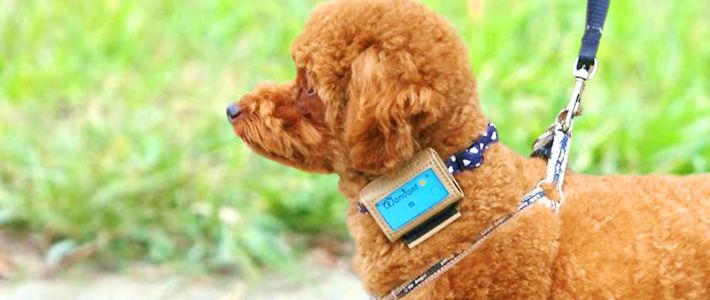
Several pedometers and fitness trackers are specifically designed for dogs. These devices attach to your dog’s collar and monitor their movement throughout the day, providing data on steps taken, distance covered, and even calories burned. This information can help you ensure your dog is getting adequate exercise and identify any potential issues with their activity levels.
Observing Your Dog’s Behavior
Even without specialized equipment, you can observe your dog’s behavior to gauge their activity level. Look for signs of playfulness, energy, and exploration. A happy, active dog will typically be eager to engage in walks, playtime, and other activities. Conversely, a lethargic or inactive dog may require adjustments to their exercise routine.
Benefits of Tracking Dog Steps

Tracking your dog’s steps offers numerous benefits for both you and your furry companion:
- Ensuring Adequate Exercise: Dogs need regular physical activity to maintain a healthy weight, strong muscles, and a happy disposition. Tracking their steps helps ensure they are getting enough exercise to meet their individual needs.
- Monitoring Weight Management: By tracking steps and calories burned, you can better manage your dog’s weight and prevent obesity-related health issues.
- Early Detection of Health Problems: Changes in activity levels can sometimes indicate underlying health problems. Tracking your dog’s steps can help you identify any unusual patterns that warrant a visit to the veterinarian.
- Strengthening Your Bond: Engaging in activities like walks and playtime together not only benefits your dog’s physical health but also strengthens your bond and creates lasting memories.
Daily Exercise Comparison
Comparing your own daily activity with your dog’s can provide valuable insights into their needs. While individual requirements vary, a general guideline is that dogs need at least 30 minutes of exercise per day. This can be broken down into multiple shorter sessions throughout the day.
Conclusion
Understanding how convert human steps to dog steps empowers you to accurately measure your dog’s activity and ensure they are getting the exercise they need. By utilizing step conversion calculators, tracking devices, and observing their behavior, you can gain valuable insights into your dog’s movement patterns and overall well-being. Remember, a happy, active dog is a healthy dog, so make time for daily walks, playtime, and other activities that keep them moving and thriving.