
Living in a community governed by a Homeowners Association (HOA) comes with certain expectations and guidelines. These rules are designed to maintain property values, ensure a harmonious living environment, and uphold the aesthetic standards of the community. While HOAs aim to create a positive living experience, navigating their regulations can sometimes feel complex and frustrating. This leads some homeowners to wonder if ignoring HOA rules is a viable option. However, it’s crucial to understand that disregarding HOA demands can have serious legal and financial consequences.
This article will delve into the intricacies of HOA rules and regulations, exploring the potential repercussions of non-compliance. We’ll examine the various penalties HOAs can impose, including fines and liens, and discuss the possibility of legal action against homeowners who repeatedly violate HOA guidelines. Furthermore, we’ll provide insights into effective strategies for resolving HOA disputes and maintaining a positive relationship with your community association.
HOA Rules and Regulations
HOAs typically establish a comprehensive set of rules and regulations outlined in a governing document known as the Covenants, Conditions, and Restrictions (CC&Rs). These documents cover a wide range of aspects, including:
- Property Maintenance: Rules regarding lawn care, landscaping, exterior paint colors, and general upkeep are common.
- Architectural Guidelines: HOAs often have strict guidelines for home modifications, additions, or renovations to ensure aesthetic consistency within the community.
- Parking Regulations: Rules may dictate where residents can park their vehicles, including limitations on street parking, guest parking, and commercial vehicle storage.
Noise Restrictions: HOAs frequently implement noise ordinances to minimize disturbances during specific hours, particularly regarding loud music, construction, or parties.
Pet Policies: Regulations concerning pet ownership, breed restrictions, leash requirements, and waste disposal are often included in HOA rules.
It’s essential for homeowners to thoroughly review their CC&Rs upon purchasing a property within an HOA community. Understanding the specific rules and regulations governing your neighborhood will help you avoid potential violations and maintain good standing with the association.
Consequences of Ignoring HOA Rules
While it may be tempting to can you ignore hoa or simply disregard HOA demands, failing to comply with their rules can have significant consequences.
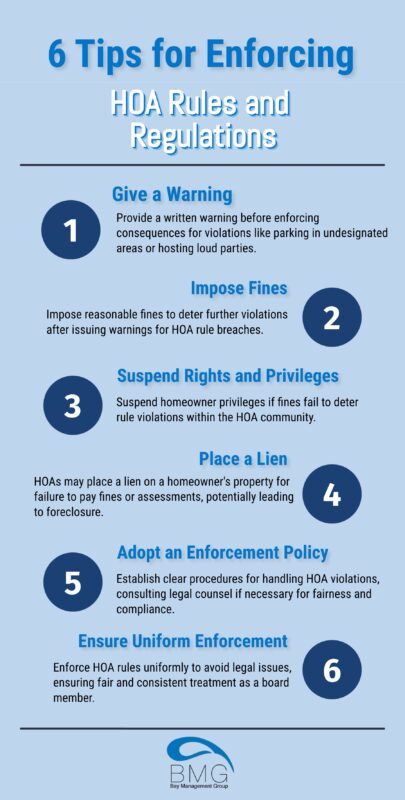
HOAs are legally empowered to enforce their regulations through various means, including fines, liens on your property, and even legal action. Repeated violations can damage your credit score, make it difficult to sell your home, and create a strained relationship with your neighbors.
HOA Fines and Penalties
One of the most common consequences for can you legally ignore a hoa is the imposition of fines. HOAs typically have a system in place for issuing warnings and escalating penalties based on the severity and frequency of violations.
Fines can range from relatively small amounts for minor infractions, such as overgrown lawns or unregistered vehicles, to substantial sums for more serious offenses, such as unauthorized construction or disruptive noise complaints. It’s important to note that HOA fines are legally enforceable, meaning you could be sued if you refuse to pay them.
Legal Action Against Homeowners

In cases of persistent and egregious violations, HOAs may resort to legal action against homeowners. This can involve filing a lawsuit seeking financial compensation for damages caused by the homeowner’s actions or seeking a court order to compel compliance with HOA rules. Legal proceedings can be costly and time-consuming, further exacerbating the situation for the homeowner.
Resolving HOA Disputes
If you find yourself in a dispute with your HOA, it’s crucial to seek a resolution through amicable means.
Communication is Key:
Attempt to resolve the issue directly with the HOA board or management company by clearly outlining your concerns and proposed solutions. Maintain a respectful and professional tone throughout all communications.
Mediation:
Consider engaging in mediation, a process where a neutral third party facilitates discussions between you and the HOA to reach a mutually acceptable agreement.
Legal Counsel:
If communication and mediation fail to resolve the dispute, consulting with a real estate attorney specializing in HOA law is highly recommended. An attorney can advise you on your legal rights and options, represent you in negotiations, or guide you through the legal process if necessary.
Conclusion
Navigating HOA rules and regulations requires careful attention and understanding. While it’s understandable to question what happens if you ignore hoa or wonder about the feasibility of simply ignoring HOA demands, remember that non-compliance can have serious consequences.
By familiarizing yourself with your CC&Rs, communicating openly with your HOA, and seeking legal counsel when necessary, you can effectively manage any potential disputes and maintain a positive living experience within your community.