
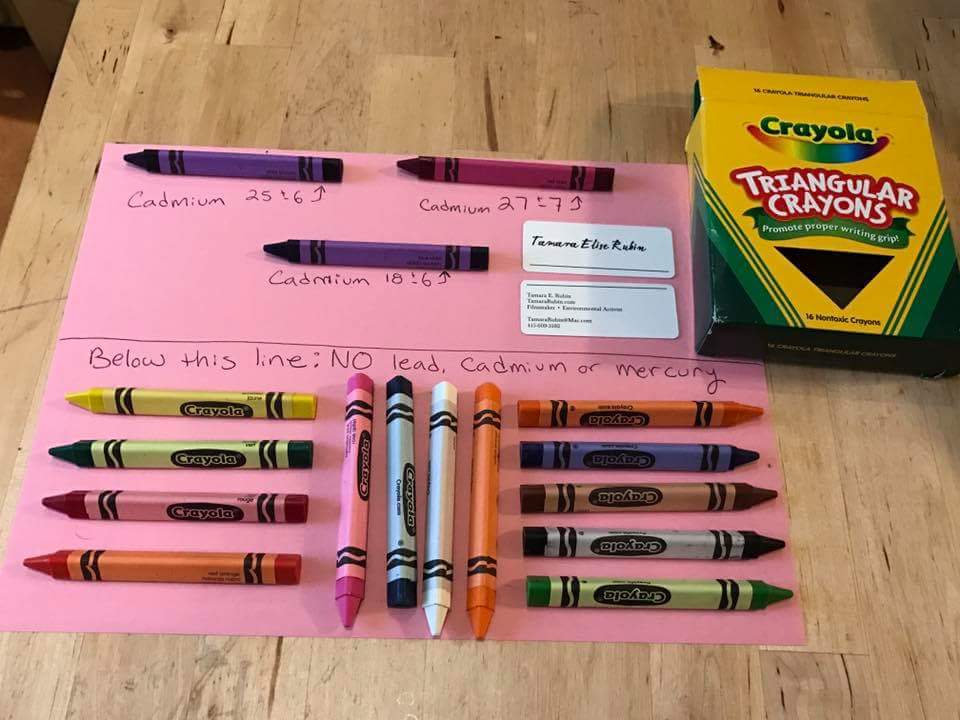
Crayola crayons are a beloved childhood staple, bringing color and creativity to countless drawings and masterpieces. However, it’s important to remember that while crayons are designed for artistic expression, they are not meant to be eaten. This article will delve into the safety of Crayola crayons, exploring their ingredients, potential risks associated with ingestion, and essential precautions for parents and caregivers.
This comprehensive guide will cover the non-toxic nature of Crayola crayons, examine the specific ingredients used, discuss the potential risks of crayon ingestion, outline common symptoms of stomach upset, and provide practical tips on childproofing and supervision to ensure a safe and enjoyable creative experience for children.
Crayola Crayons Safety
Crayola has long been recognized for its commitment to safety, ensuring that their crayons meet stringent standards. Their products are rigorously tested and formulated to be non-toxic, meaning they do not contain ingredients that would cause immediate poisoning or severe health complications if ingested in small amounts. This means that a child accidentally nibbling on a crayon is unlikely to suffer from life-threatening consequences.
However, it’s crucial to understand that “non-toxic” does not equate to “safe for consumption.” While Crayola crayons are designed to be safe for artistic use, they are not intended as food and can still cause discomfort or digestive issues if swallowed in larger quantities.
Non-Toxic Ingredients

Crayola crayons primarily consist of paraffin wax, a petroleum byproduct that provides the crayon’s solid structure and allows it to glide smoothly on paper. Other common ingredients include pigments for color, stearic acid for hardness, and additives like emulsifiers and preservatives to enhance stability and longevity. These ingredients are carefully selected and regulated to ensure they meet safety standards when used in their intended purpose – coloring.
It’s important to note that while Crayola crayons are generally considered safe, individual sensitivities or allergies can occur. Some children may experience mild irritation or allergic reactions to specific pigments or additives. If you notice any unusual skin reactions or symptoms after using Crayola crayons, discontinue use and consult a healthcare professional.
Ingestion Risks
While Crayola crayons are non-toxic, ingesting them can still pose potential risks, particularly for young children who may put objects in their mouths out of curiosity or habit. Swallowing large amounts of crayon wax can lead to digestive discomfort, such as nausea, vomiting, diarrhea, and abdominal pain.
The waxy texture of crayons can also interfere with digestion, potentially causing blockages or impaction in the intestines. In rare cases, ingestion of large quantities of crayons may require medical intervention. It’s crucial to monitor young children closely during playtime and discourage them from putting crayons or any other non-food items in their mouths.
Stomach Upset Symptoms

If you suspect a child has ingested Crayola crayons, it’s important to be aware of potential stomach upset symptoms. These can include:
- Nausea and vomiting
- Diarrhea
- Abdominal pain or cramping
- Loss of appetite
- Lethargy or fatigue
If your child exhibits any of these symptoms after ingesting crayons, contact their pediatrician or seek immediate medical attention, especially if they are experiencing severe discomfort, difficulty breathing, or signs of dehydration.
Childproofing and Supervision
Preventing crayon ingestion requires proactive measures and constant vigilance. Here are some essential tips for parents and caregivers:
- Store crayons safely: Keep crayons out of reach of young children, in a designated container or drawer that is securely closed.
- Supervise playtime: Always supervise children during playtime, especially when they are using crayons. Encourage them to use crayons only for coloring and discourage putting them in their mouths.
- Teach safe habits: Explain to children the importance of not eating crayons and emphasize that they are for drawing and coloring only. Reinforce these messages consistently.
Conclusion
Crayola crayons offer a vibrant and enriching creative outlet for children, but it’s crucial to prioritize safety. While non-toxic, crayon ingestion can still lead to digestive discomfort and potential complications. By understanding the risks, implementing childproofing measures, and practicing constant supervision, parents and caregivers can ensure that children enjoy the benefits of coloring while minimizing any potential hazards associated with can you eat crayola crayons or is eating crayons bad for you. Remember, open communication and education are key to fostering a safe and enjoyable creative environment for young minds.