
Planning a funeral can be an emotionally challenging time, and navigating the associated costs can add another layer of stress. It’s common to wonder why is funeral so expensive or why does a funeral cost so much. The truth is, funeral expenses can quickly accumulate due to various factors, ranging from embalming and casket prices to cemetery fees and professional services.
This article aims to shed light on the different components that contribute to overall funeral costs. By understanding these factors, families can make more informed decisions about their arrangements and explore potential cost-saving options. We’ll delve into the specifics of each element, providing insights into what influences pricing and offering practical tips for managing expenses during this difficult time.
Funeral Costs Breakdown
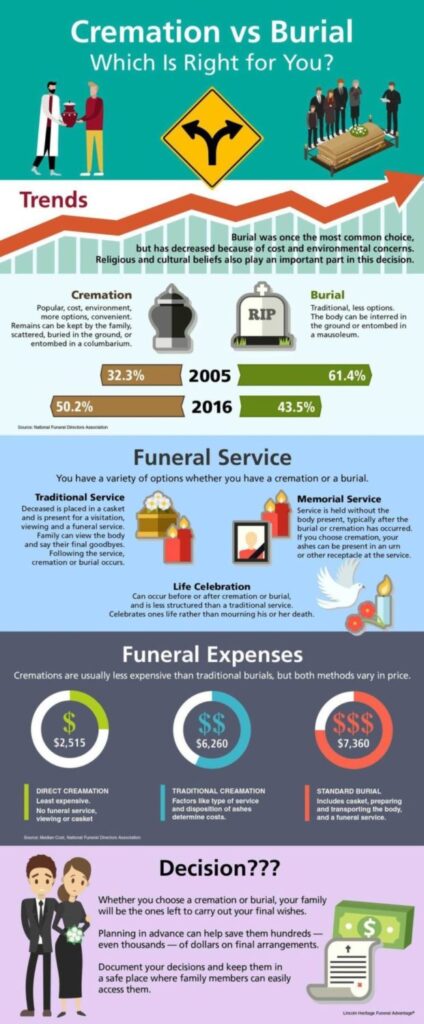
Funeral costs encompass a wide range of services and products, each with its own price tag. A typical funeral might include:
- Basic Services Fee: This covers the funeral home’s administrative and operational costs, including staff time, facility use, and transportation.
- Embalming: Preserving the body for viewing is often a desired option, but it comes with an additional fee.
- Casket or Urn: The chosen container for the deceased significantly impacts the overall cost. Caskets range widely in price depending on materials, design, and features.
- Viewing and Funeral Service: These events involve preparing the body for viewing, hosting the service itself, and providing necessary staff and facilities.
- Burial or Cremation: The final disposition of the remains adds to the expenses. Burial typically involves plot purchase, opening and closing fees, and headstone costs. Cremation is generally less expensive but still includes fees for cremation services and an urn.
Factors Affecting Price
Several factors contribute to the variability in funeral costs across different locations and providers:
- Geographic Location: Urban areas tend to have higher funeral expenses due to increased operating costs and demand. Rural areas may offer more competitive pricing.
- Demand and Competition: Areas with a high concentration of funeral homes often experience greater competition, which can lead to lower prices. Conversely, limited options in certain regions might result in higher costs.
- Inflation and Economic Conditions: Like any other industry, funeral services are subject to inflation and economic fluctuations, which can influence pricing trends.
Embalming Fees
Embalming is a process that preserves the body for viewing and typically involves disinfecting, injecting fluids, and restoring a natural appearance. The cost of embalming varies depending on factors such as:
- Complexity of the Procedure: More intricate procedures may require additional time and materials, leading to higher fees.
- Local Regulations: Some areas have specific requirements or regulations regarding embalming practices, which can affect pricing.
- Funeral Home Policies: Different funeral homes may have varying fee structures for embalming services.
Casket Prices
Caskets are a significant expense in funeral arrangements, with prices ranging widely based on:
- Materials: Wood, metal, and fiberglass are common casket materials, each with its own price range.
- Design and Features: Intricate carvings, upholstery, and embellishments can significantly increase the cost of a casket.
- Brand Name: Some casket manufacturers have higher-priced models due to their reputation or exclusivity.
Cemetery Expenses
Cemetery costs include:
- Plot Purchase: The price of a burial plot varies depending on location, size, and demand.
- Opening and Closing Fees: These fees cover the cost of excavating and closing the grave site.
- Headstone Costs: Memorial markers can range from simple plaques to elaborate monuments, with prices reflecting materials, design, and installation.
Savings Tips
While funeral costs are often unavoidable, there are ways to manage expenses:
- Pre-Planning: Arranging a funeral in advance allows for budgeting and potentially securing lower prices.
- Direct Cremation or Burial: Opting for simpler services without embalming or viewing can significantly reduce costs.
- Consider Alternatives: Explore options like green burials, which are more environmentally friendly and often less expensive.
- Shop Around: Compare prices from different funeral homes and cemeteries to find the best value.
- Negotiate: Don’t hesitate to discuss pricing with funeral directors and explore potential discounts or payment plans.
Conclusion
Planning a funeral can be emotionally challenging, but understanding the factors that influence costs empowers families to make informed decisions. By carefully considering each element, exploring cost-saving options, and seeking guidance from reputable funeral professionals, families can navigate this difficult time while honoring their loved ones in a meaningful and financially responsible way.
For more in English: Nature Curiosities
Curious about this topic? Read: doctors open on saturday