

The world of subcultures is a vibrant tapestry woven with diverse aesthetics, ideologies, and expressions. Two often-confused yet distinct entities within this landscape are punk and goth. While both emerged in the late 20th century as reactions against mainstream culture, their core values, musical styles, and visual representations diverge significantly. This article delves into the intricacies of these two subcultures, illuminating their unique characteristics and highlighting the key difference between punk and goth.
This exploration will begin by defining each subculture individually, examining their origins, core tenets, and influential figures. We’ll then dissect the distinct aesthetic choices that define both punk and goth, from clothing and makeup to symbolic imagery. A comparative analysis of their musical styles will follow, showcasing the contrasting soundscapes that accompany these subcultures. Finally, we’ll delve into the ideological underpinnings of each movement, exploring their respective views on society, individuality, and personal expression.
Punk Subculture Defined
Punk emerged in the mid-1970s as a raw and rebellious response to the perceived complacency and social stagnation of the time. Originating primarily in New York City and London, punk quickly spread across the globe, fueled by its anti-establishment ethos and DIY (Do It Yourself) spirit.
At its core, punk is about challenging authority, rejecting conformity, and embracing individuality. Punk music is characterized by its fast tempos, distorted guitars, simple song structures, and often politically charged lyrics. Bands like The Ramones, Sex Pistols, and The Clash became synonymous with the movement, their music serving as an anthem for a generation disillusioned with the status quo.
Punk’s DIY ethos extended beyond music, influencing fashion, art, and literature. Punk fashion is characterized by its rebellious and anti-fashion aesthetic. Ripped jeans, leather jackets, band t-shirts, safety pins, studs, and Doc Martens became iconic symbols of punk identity.
Goth Subculture Defined

Goth emerged in the late 1970s as a darker, more introspective counterculture to the prevailing trends of the time. Influenced by gothic literature, horror films, and post-punk music, goth embraced themes of darkness, melancholy, romanticism, and existentialism.
Goth music is characterized by its slow tempos, atmospheric soundscapes, often melancholic melodies, and lyrical themes exploring death, love, loss, and the supernatural. Bands like Bauhaus, The Cure, Siouxsie and the Banshees, and Sisters of Mercy became pioneers of the goth sound, their music providing a soundtrack for introspection and emotional exploration.
Goth aesthetics are equally distinct, characterized by an embrace of darkness and romanticism. Black clothing, pale makeup, dark eyeliner, and gothic imagery such as crosses, bats, and skulls are common elements of goth style.
Punk vs. Goth Aesthetics
While both punk and goth subcultures challenge mainstream norms through their visual expressions, their aesthetics diverge significantly.
Punk fashion is characterized by its raw, rebellious energy. Ripped jeans, leather jackets, band t-shirts, safety pins, studs, and Doc Martens are staples of the punk wardrobe. The emphasis is on DIY customization and a disregard for conventional fashion rules. Colors often include black, red, white, and camouflage.
Goth aesthetics, in contrast, lean towards darkness, romanticism, and elegance. Black clothing is ubiquitous, often featuring lace, velvet, or other luxurious fabrics. Pale makeup, dark eyeliner, and dramatic hairstyles are common features. Goth imagery often incorporates crosses, bats, skulls, ravens, and gothic architecture.
Musical Differences Between Punk and Goth
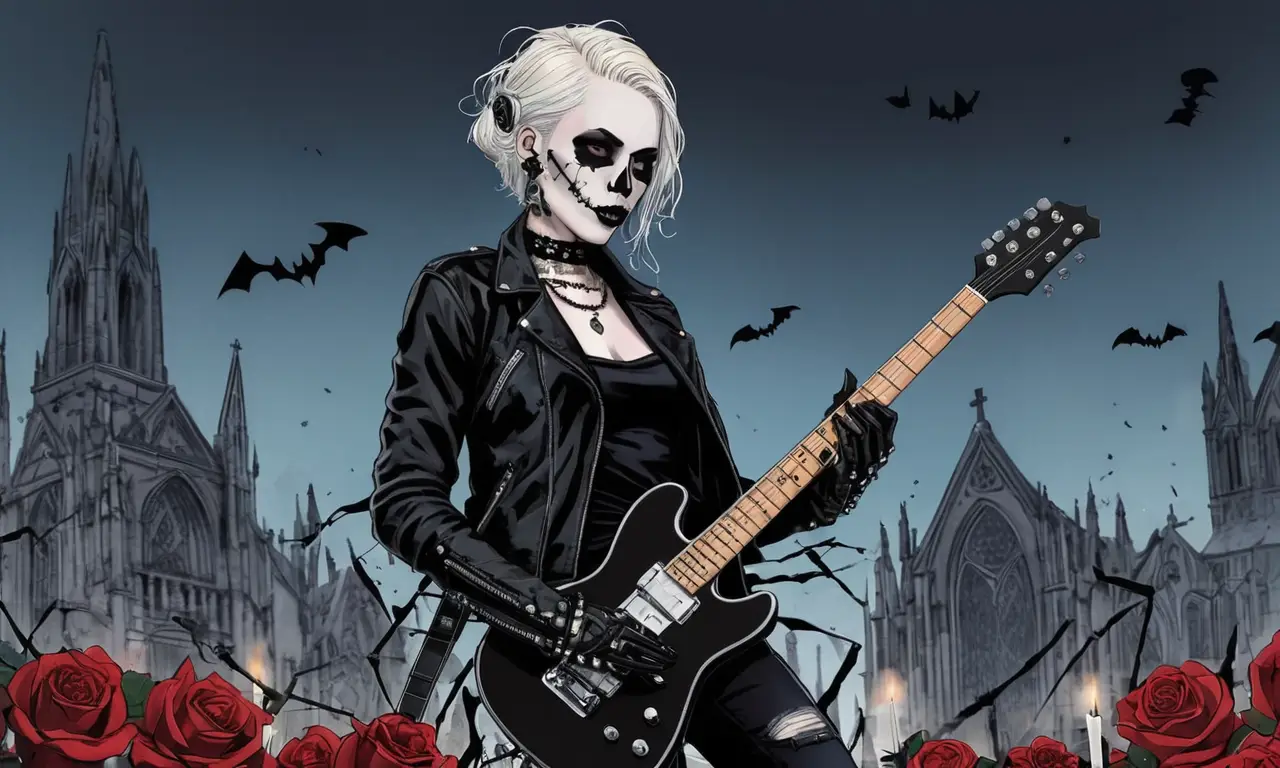
The musical landscapes of punk and goth are as distinct as their visual aesthetics.
Punk music is characterized by its fast tempos, distorted guitars, simple song structures, and often politically charged lyrics. The emphasis is on energy, aggression, and a raw, unpolished sound. Genres like hardcore punk, pop-punk, and ska-punk further diversify the punk musical spectrum.
Goth music, on the other hand, embraces a slower, more atmospheric soundscape. Melancholic melodies, ethereal vocals, and introspective lyrics are hallmarks of goth music. Genres like post-punk, darkwave, and gothic rock contribute to the diverse tapestry of goth sound.
Ideological Distinctions
While both punk and goth subcultures challenge societal norms, their underlying ideologies differ significantly.
Punk’s core ideology centers on rebellion, anti-establishment sentiment, and social change. Punk music and art often serve as a platform for expressing dissent against authority, injustice, and conformity. The DIY ethos of punk encourages self-reliance, creativity, and community building outside of mainstream structures.
Goth, while also rejecting mainstream norms, focuses more on introspection, personal expression, and exploring existential themes. Goth aesthetics and music often delve into darkness, melancholy, and the complexities of human emotions. While goth can be politically engaged, its primary focus lies in individual exploration and artistic expression.
Conclusion
Punk and goth, though often mistakenly conflated, are distinct subcultures with unique histories, aesthetics, musical styles, and ideological underpinnings. While both challenge societal norms and embrace individuality, punk’s energy centers on rebellion and social change, while goth explores darkness, introspection, and personal expression through its aesthetic and musical landscapes. Understanding these nuances allows for a deeper appreciation of the rich tapestry of subcultures that contribute to the diversity and dynamism of contemporary culture.

