
Discovering something unexpected and unpleasant in a milk carton can be alarming. These unwelcome surprises, ranging from spoiled milk to unwanted insects, can ruin your breakfast and raise concerns about food safety. This article delves into the various things that can go wrong with milk cartons, exploring the causes, potential dangers, and preventative measures you can take to avoid these unpleasant discoveries.
Unexpected Milk Carton Discoveries
Milk cartons are a staple in many households, providing a convenient and shelf-stable source of dairy. However, sometimes opening a carton reveals something far from the creamy goodness we expect. These unexpected discoveries can range from slightly off-tasting milk to alarmingly spoiled batches or even unwelcome guests like insects.
The reasons behind these surprises vary, often stemming from improper storage, contamination during production, or simply the natural process of spoilage. Regardless of the cause, encountering something unexpected in your milk carton can be unsettling and potentially harmful.
It’s important to remember that not all unexpected discoveries are immediately dangerous. Some instances might involve a slight change in taste or smell, indicating that the milk is nearing its expiration date. However, other situations, like visible mold growth or an extremely foul odor, signal a clear case of spoilage and require immediate disposal.
Spoiled Milk in Cartons
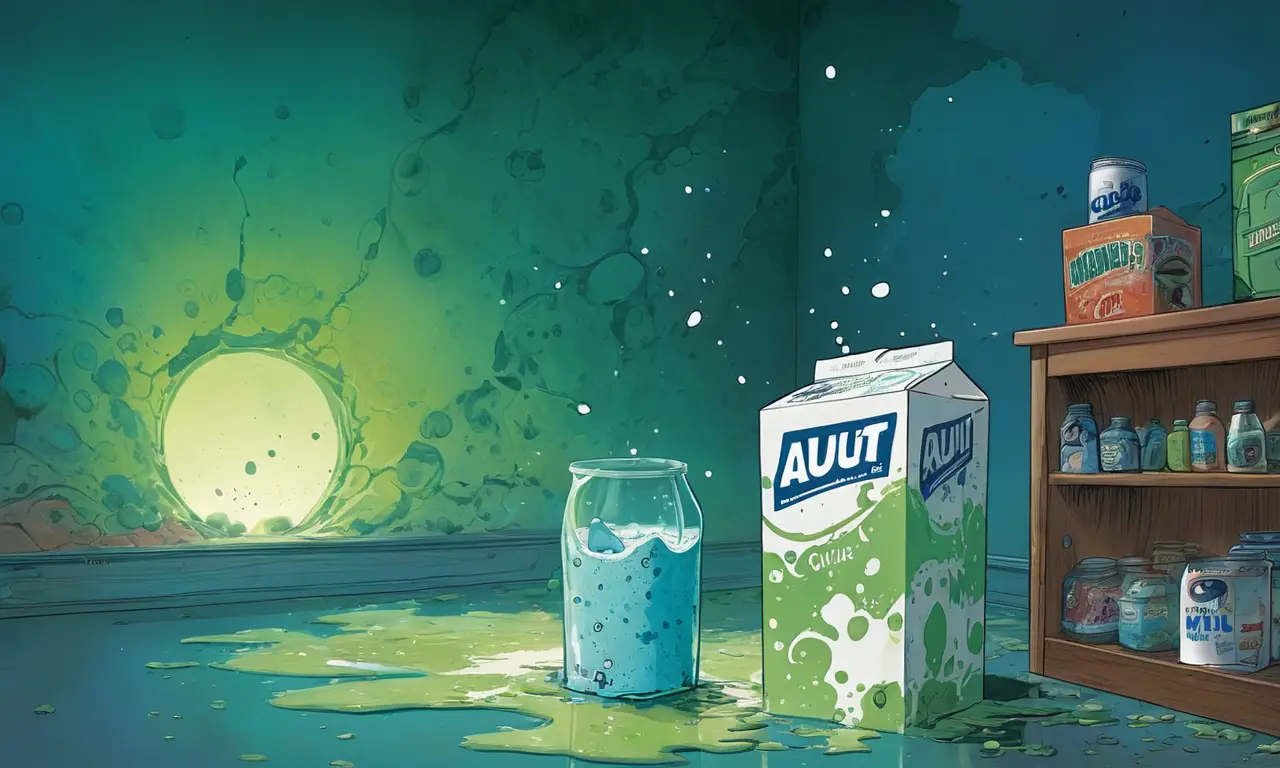
Spoiled milk is perhaps the most common unwelcome discovery in a milk carton. It can occur due to various factors, including improper refrigeration, exposure to high temperatures, or damage to the carton itself.
When milk spoils, it undergoes a process of bacterial growth, leading to changes in its taste, smell, and appearance. Spoiled milk often develops a sour or rancid odor, a curdled texture, and a yellowish-green hue. Consuming spoiled milk can lead to digestive discomfort, nausea, vomiting, and diarrhea.
To prevent spoilage, always store milk in the refrigerator at 40°F (4°C) or below. Check the expiration date on the carton and consume the milk before it expires. Avoid leaving milk out at room temperature for extended periods, as this can accelerate bacterial growth.
Insects in Milk Cartons
While less common than spoiled milk, finding insects in a milk carton is undoubtedly unsettling. This usually occurs due to contamination during production or transportation, where insects may have entered the carton through cracks or openings.
The presence of insects in milk poses a significant health risk as they can carry bacteria and parasites that can cause illness. If you discover insects in your milk carton, discard it immediately and thoroughly clean any surfaces that may have come into contact with the contaminated milk.
Report the incident to the manufacturer or retailer for further investigation and potential product recall.
Food Safety Concerns
The possibility of encountering bad things to come out of milk cartons highlights the importance of food safety practices. Milk is a perishable product susceptible to bacterial contamination, which can lead to foodborne illnesses if not handled properly.
Always practice good hygiene when handling milk, including washing your hands thoroughly before and after contact with the carton. Store milk in its original container and keep it refrigerated at all times. Avoid cross-contamination by storing raw meat and poultry separately from dairy products.
Preventing Unpleasant Surprises
Fortunately, there are several steps you can take to minimize the risk of encountering unpleasant surprises in your milk cartons:
- Choose reputable brands: Opt for well-known brands with a history of quality control and safe production practices.
- Inspect cartons carefully: Before purchasing milk, examine the carton for any signs of damage, leaks, or bulging.
- Store properly: Refrigerate milk immediately after purchase and maintain a consistent temperature of 40°F (4°C) or below.
- Check expiration dates: Always pay attention to the expiration date on the carton and consume the milk before it expires.
- Practice good hygiene: Wash your hands thoroughly with soap and water before and after handling milk.
Conclusion
While encountering unexpected discoveries in a milk carton can be unsettling, understanding the potential causes and taking preventative measures can significantly reduce the risk. By practicing safe food handling techniques, choosing reputable brands, and carefully inspecting cartons, you can enjoy your milk with peace of mind. Remember, if you ever encounter something suspicious in your milk carton, discard it immediately and consult with a health professional if necessary.