
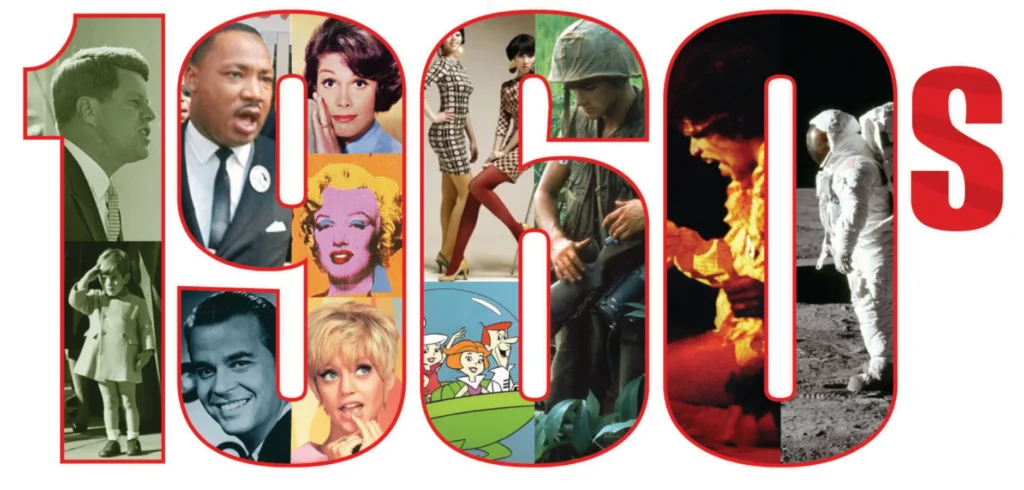
The 1960s was a decade of immense social and cultural change, and this transformation was reflected in the way people chose to have fun. It was a time of rebellion against traditional norms, a yearning for individuality, and a celebration of youth culture. From the music that defined a generation to the social gatherings that fostered a sense of community, the 1960s offered a diverse and exciting array of entertainment options. This article will delve into the key trends that shaped how people enjoyed themselves during this transformative era.
1960s Cultural Revolution
The 1960s witnessed a profound cultural revolution that swept across the globe, challenging established norms and values. The Civil Rights Movement, the Vietnam War, and the rise of counterculture all contributed to a sense of social upheaval and a desire for change. This spirit of rebellion extended to entertainment, with people seeking out new and unconventional forms of expression. Music became a powerful tool for social commentary and political activism, while art and fashion embraced experimentation and individuality.
The youth of the 1960s, often referred to as “the generation gap,” played a pivotal role in driving this cultural shift. They rejected the conservative values of their parents and embraced a more liberal and progressive worldview. This generation sought out new experiences, challenged authority, and demanded a greater voice in shaping their own destinies. Their influence was felt in every aspect of society, including the way they chose to have fun.
Rock and Roll Music
Rock and roll music was the soundtrack of the 1960s, capturing the energy, rebellion, and youthful spirit of the era. Bands like The Beatles, The Rolling Stones, and The Who became global icons, their music resonating with millions of fans worldwide. Rock concerts became major events, drawing massive crowds and creating a sense of shared experience and excitement. The music itself was a powerful force, inspiring a generation to question authority, embrace individuality, and express themselves freely.
Beyond the big names, the 1960s saw the emergence of countless other rock bands, each with their own unique sound and style. From psychedelic rock to hard rock, the genre was constantly evolving, pushing boundaries and exploring new sonic territories. This diversity of sound reflected the changing tastes and desires of a generation that was eager to break free from the constraints of the past.
Motown Music

Motown Records, founded in Detroit in 1959, became a dominant force in the music industry during the 1960s. Known for its smooth, soulful sound and catchy melodies, Motown music captured the hearts of millions, transcending racial and cultural boundaries. Artists like The Supremes, Marvin Gaye, and Stevie Wonder became household names, their music embodying the spirit of hope, love, and social change that characterized the era.
Motown’s influence extended beyond music. The label’s artists became symbols of black pride and empowerment, challenging racial stereotypes and paving the way for greater equality. Their music provided a soundtrack for the Civil Rights Movement, inspiring hope and unity in the face of adversity. Motown’s legacy continues to resonate today, its music a timeless testament to the power of soul and the enduring spirit of the 1960s.
Concerts and Festivals
Concerts and festivals became major events in the 1960s, offering a platform for musical expression and a space for people to come together and celebrate their shared love of music. From the legendary Monterey Pop Festival in 1967 to Woodstock in 1969, these gatherings drew massive crowds, showcasing the diversity and talent of the era’s musical landscape.
The atmosphere at these events was electric, fueled by the energy of the music and the shared experience of thousands of people united by their passion. Concerts and festivals became more than just entertainment; they were cultural touchstones, reflecting the social and political currents of the time. They provided a space for people to express themselves freely, connect with others who shared their values, and celebrate the transformative power of music.
Social Gatherings

Social gatherings were an integral part of 1960s fun, providing a space for people to connect, socialize, and enjoy each other’s company. Sock hops, house parties, and backyard barbecues were popular events, often featuring music, dancing, games, and lively conversations. These gatherings fostered a sense of community and belonging, allowing people to escape the pressures of everyday life and simply enjoy themselves.
Board games and card games were also popular pastimes during social gatherings. Games like Monopoly, Scrabble, and poker provided hours of entertainment and friendly competition. These games often sparked lively debates and friendly rivalries, adding to the overall enjoyment of the evening. Social gatherings in the 1960s were a testament to the importance of human connection and the power of shared experiences.
Outdoor Activities
The 1960s saw a growing appreciation for outdoor activities, as people sought to escape the confines of urban life and connect with nature. Picnics, camping trips, and roller skating were popular pastimes, offering a chance to enjoy the fresh air, sunshine, and company of friends and family. These activities provided a sense of freedom and adventure, allowing people to explore the world around them and create lasting memories.
Drive-in movies also became a popular outdoor entertainment option in the 1960s. These unique cinematic experiences allowed people to enjoy films from the comfort of their own cars, creating a sense of intimacy and shared enjoyment. Drive-in movies offered a nostalgic and romantic escape, providing a glimpse into a bygone era of American culture.
Conclusion
The 1960s was a decade of profound change and transformation, and this cultural revolution was reflected in the way people chose to have fun. From the iconic music of rock and roll and Motown to the vibrant concerts and festivals that drew massive crowds, the 1960s offered a diverse and exciting array of entertainment options. Social gatherings, outdoor activities, and the unique cinematic experience of drive-in movies all contributed to the vibrant tapestry of 1960s fun. This era remains a testament to the power of music, the importance of social connection, and the enduring human desire for joy and expression.
For more in English: Nature Curiosities