
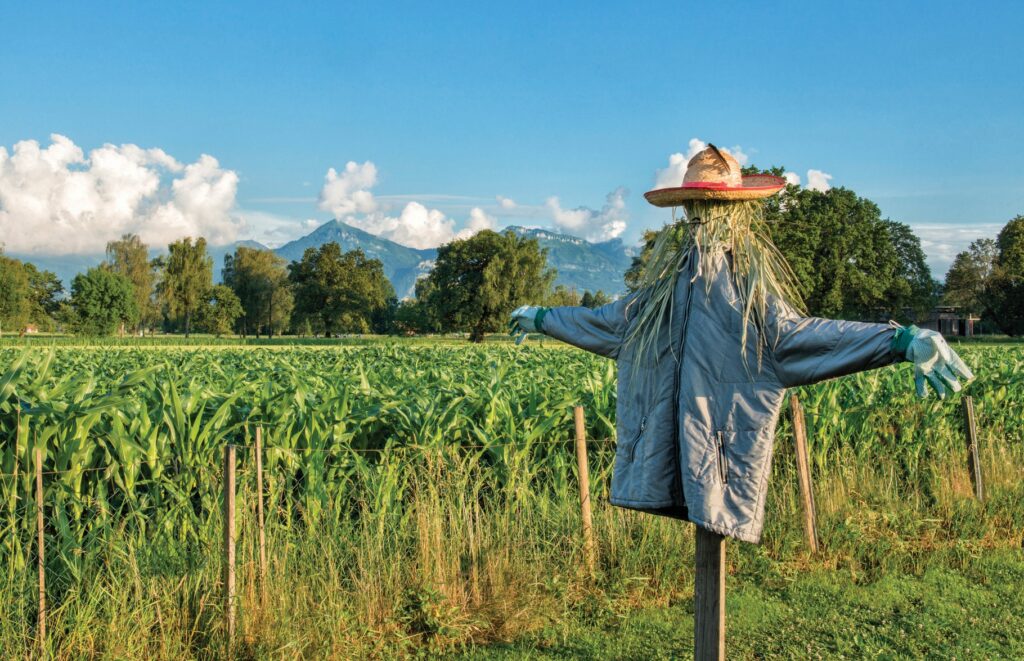
Scarecrows have long been a familiar sight in fields and gardens around the world. These iconic figures, often crafted from straw or old clothing, stand guard over crops, seemingly warding off hungry birds. But do people still use scarecrows? While their effectiveness as bird deterrents has been questioned, scarecrows remain a popular symbol of agriculture and continue to hold a place in modern farming practices. This article will explore the history, symbolism, and practical uses of scarecrows, examining both their traditional role and their relevance in contemporary agriculture.
This article will delve into the historical significance of scarecrows as agricultural symbols, analyze their effectiveness as bird deterrents, and compare them to modern pest control methods. We’ll also discuss the psychological deterrent effect of scarecrows and their enduring aesthetic and traditional value. Finally, we’ll conclude by considering the future of these timeless figures in a changing agricultural landscape.
Scarecrows as Agricultural Symbols
Scarecrows have been an integral part of agriculture for centuries, representing the human effort and ingenuity required to cultivate crops. Their presence in fields serves as a visual reminder of the farmer’s dedication and hard work. Throughout history, scarecrows have evolved from simple bundles of straw to elaborate figures adorned with clothing, hats, and even faces. These intricate designs reflect the cultural beliefs and traditions associated with agriculture in different regions.
In many cultures, scarecrows are seen as protectors of crops, warding off not only birds but also other pests and evil spirits. They are often depicted with menacing expressions or holding tools to symbolize their role as guardians. Some cultures even believe that scarecrows possess supernatural powers, capable of driving away harmful entities and ensuring a bountiful harvest.
The symbolism of scarecrows extends beyond their practical function. They represent the interconnectedness between humans and nature, highlighting the dependence of agriculture on human intervention and care. The act of creating a scarecrow is often seen as a ritualistic gesture, connecting farmers to their land and ancestors.
Bird Deterrent Effectiveness

While scarecrows remain a popular symbol of agriculture, their effectiveness in deterring birds has been widely debated. Some studies have shown that birds can quickly become accustomed to the presence of scarecrows, losing their fear and continuing to feed on crops.
The movement of scarecrows, often achieved through wind or human intervention, may initially startle birds, but this effect is usually short-lived. Birds are highly intelligent creatures with excellent vision and memory, allowing them to learn and adapt to perceived threats.
Modern agricultural practices often rely on more sophisticated bird control methods, such as netting, repellents, and predator decoys. These techniques have proven to be more effective in deterring birds and protecting crops from damage.
Modern Pest Control Methods
In contemporary agriculture, farmers utilize a range of advanced pest control methods to protect their crops. These methods often involve a combination of strategies to effectively manage bird populations and other agricultural pests.
Netting is a common method used to physically exclude birds from accessing crops. Bird repellents, which emit ultrasonic sounds or visual stimuli, can also be effective in deterring birds. Predator decoys, such as owls or hawks, are often placed in fields to create the illusion of a predator presence, discouraging birds from feeding on crops.
Integrated pest management (IPM) is a holistic approach that combines various control methods to minimize environmental impact and promote sustainable agriculture. IPM strategies prioritize preventative measures, such as habitat modification and crop rotation, alongside targeted interventions when necessary.
Psychological Deterrent Effect

Despite their limited effectiveness in physically deterring birds, scarecrows can still exert a psychological influence on avian behavior. The presence of a scarecrow may serve as a reminder to birds that the area is potentially monitored, creating a sense of unease and discouraging them from feeding on crops.
The visual appearance of a scarecrow, with its menacing expression or exaggerated features, can also contribute to this psychological deterrent effect. Birds may perceive the scarecrow as a potential threat, even if they are aware that it is inanimate. This perceived risk can influence their decision-making process, leading them to choose alternative feeding grounds.
The psychological impact of scarecrows may be particularly effective in combination with other control methods. By creating a multi-layered deterrent system, farmers can increase the likelihood of discouraging birds from damaging crops.
Aesthetic and Traditional Value
Beyond their practical uses, scarecrows hold significant aesthetic and traditional value. They add a touch of charm and whimsy to fields and gardens, becoming iconic symbols of rural life.
Scarecrows often reflect the creativity and craftsmanship of their creators, showcasing unique designs and materials. Their presence can evoke a sense of nostalgia and connection to past generations, reminding us of the enduring traditions associated with agriculture.
Conclusion
While do people still use scarecrows? The answer is yes, but their role in modern agriculture has evolved. While their effectiveness as bird deterrents has been questioned, scarecrows continue to be used for aesthetic purposes, adding a touch of tradition and charm to fields and gardens. Their psychological deterrent effect may also play a role in discouraging birds from feeding on crops. Ultimately, scarecrows remain a symbol of agriculture, representing the human connection to nature and the enduring traditions of farming.