
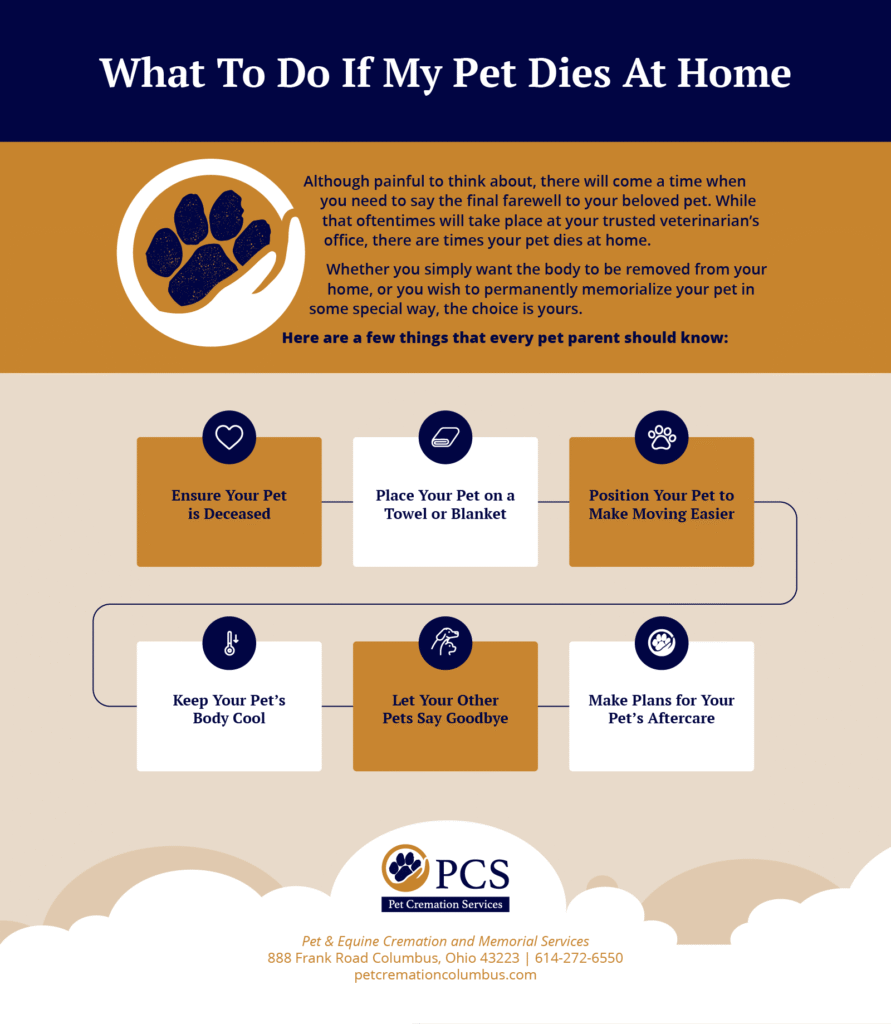
Losing a beloved pet is one of life’s most painful experiences. The bond we share with our animal companions is unique and profound, and their absence leaves a void that can be difficult to fill. Knowing what to do when your pet dies at home can feel overwhelming during an already emotionally challenging time. This article aims to provide guidance and support as you navigate this difficult process. We’ll explore the stages of grief, practical steps for handling your pet’s remains, and resources available to help you cope with your loss.
This article will delve into the emotional impact of pet loss, offer practical advice on what to do when a pet dies at home, discuss options for handling remains, and emphasize the importance of seeking support during this difficult time.
Pet Loss Grief
The grief you experience after losing a pet is real and valid. Don’t minimize your feelings or compare them to others. The bond you shared with your furry companion was special, and their absence leaves a significant void in your life. Allow yourself to feel the pain, sadness, anger, or guilt that comes with this loss. It’s important to acknowledge these emotions and give yourself time to heal.
Remember that there is no right or wrong way to grieve. Some people may find comfort in talking about their pet, sharing memories, or looking at photos. Others may prefer to spend time alone reflecting on their loss. Whatever you choose, be kind to yourself and allow yourself the space and time you need to heal.
If your grief feels overwhelming or you’re struggling to cope, don’t hesitate to seek professional help. A therapist specializing in pet loss can provide support and guidance as you navigate this difficult time.
Home Death of a Pet
When a pet dies at home, it can be an incredibly emotional experience. It’s important to remember that you are not alone, and there are steps you can take to handle the situation with care and respect. First, ensure your pet is comfortable and peaceful. If possible, gather some familiar items like their favorite blanket or toy to provide comfort during their final moments.
Once your pet has passed away, gently cover them with a sheet or towel. Take a moment to say goodbye and express your love and gratitude for the time you shared together. This can be a deeply personal and meaningful experience.
Handling Remains After Pet Death
After your pet has passed away, you’ll need to decide how to handle their remains. There are several options available, each with its own considerations.
Burial
If you choose to bury your pet, you’ll need to find a suitable location. Check local regulations regarding pet burial on private property or consider using a designated pet cemetery.
Cremation
Cremation is another common option for handling pet remains. This involves incinerating the body at high temperatures, reducing it to ashes. You can then choose to keep the ashes in an urn, scatter them in a meaningful location, or bury them.
Veterinarian Guidance
Your veterinarian can provide valuable guidance and support during this difficult time. They can offer advice on handling your pet’s remains, answer any questions you may have about the process, and connect you with resources for pet loss grief counseling. Don’t hesitate to reach out to your vet for assistance and comfort.
Conclusion
Losing a beloved pet is an incredibly painful experience. Remember that your grief is valid and there are steps you can take to navigate this difficult time with care and respect. Allow yourself to grieve, seek support from loved ones or professionals, and consider the options available for handling your pet’s remains. With time and support, you will heal and cherish the memories of your furry companion.