
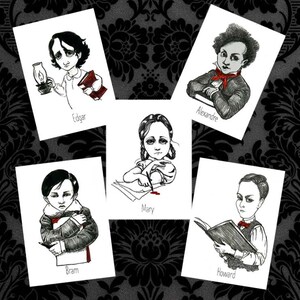
Gothic literature, with its chilling atmosphere and exploration of the macabre, has captivated readers for centuries. Two towering figures in this genre are Bram Stoker and Mary Shelley. Stoker, best known for his iconic vampire novel “Dracula,” and Shelley, celebrated for her groundbreaking work “Frankenstein,” both delved into the darkest corners of human nature and the terrifying consequences of scientific ambition. Their enduring legacies continue to influence modern literature, film, and popular culture.
This article will delve into the lives and works of Bram Stoker and Mary Shelley, examining their contributions to Gothic literature and the lasting impact of their masterpieces. We’ll explore the themes that define their writing, analyze their iconic characters, and discuss how their stories continue to resonate with readers today.
Bram Stoker: Master of Gothic Horror
Born in Ireland in 1847, Bram Stoker emerged as a prominent figure in Victorian literature. His early career saw him working as a journalist and theater critic, experiences that honed his storytelling skills and exposed him to the theatrical elements that would later infuse his writing. Stoker’s fascination with the supernatural and folklore deeply influenced his work, particularly his masterpiece “Dracula.”
Bram Stoker meticulously crafted a chilling narrative that blended historical detail with gothic horror tropes. He drew inspiration from various sources, including Eastern European vampire legends and the works of earlier Gothic writers like Horace Walpole and Ann Radcliffe. Stoker’s meticulous research and attention to detail created a sense of authenticity and heightened the terror within his story.
Beyond “Dracula,” Bram Stoker penned several other notable works, including “The Lair of the White Worm” and “The Jewel of Seven Stars.” These novels further solidified his reputation as a master of Gothic horror, showcasing his ability to weave suspenseful tales filled with supernatural elements and psychological torment.
Dracula: A Timeless Vampire Tale
Published in 1897, “Dracula” quickly became a sensation, captivating readers with its terrifying portrayal of the iconic vampire Count Dracula. Stoker’s novel introduced a new archetype of the vampire, one that was both seductive and sinister, embodying the anxieties and fears of Victorian society.
Bram Stoker masterfully employed epistolary format in “Dracula,” weaving together letters, diary entries, and telegrams to create a sense of immediacy and authenticity. This narrative technique allowed readers to experience the unfolding horror through the eyes of the characters, heightening their sense of vulnerability and dread.
“Dracula” continues to resonate with audiences today due to its timeless themes of good versus evil, sexuality, and the fear of the unknown. The novel’s enduring popularity has spawned countless adaptations in film, television, and theater, cementing Bram Stoker‘s place as a literary legend.
Mary Shelley: Pioneer of Science Fiction Horror
Mary Shelley, born in 1797, is widely regarded as the mother of science fiction. Her groundbreaking novel “Frankenstein” explored the ethical implications of scientific advancement and the dangers of unchecked ambition. Shelley’s work transcended genre boundaries, blending elements of Gothic horror with philosophical inquiry to create a timeless masterpiece.
A Life Marked by Tragedy
Mary Shelley’s life was deeply intertwined with tragedy. She lost her mother at a young age and later endured the loss of several children. These experiences profoundly influenced her writing, imbuing her works with a sense of melancholy and a fascination with mortality.
Frankenstein: Exploring the Dangers of Creation
Published in 1818, “Frankenstein” tells the story of Victor Frankenstein, a brilliant scientist who creates a monstrous being from body parts. Driven by hubris and a thirst for knowledge, Frankenstein unleashes a creature that wreaks havoc on his life and those around him.
The Monster’s Humanity
Shelley’s novel delves into complex themes of responsibility, prejudice, and the nature of humanity. The monster, despite being created as an abomination, yearns for acceptance and love. His tragic story serves as a cautionary tale about the dangers of playing God and the importance of empathy and compassion.
“Frankenstein” continues to be studied and adapted across various mediums, its themes resonating with contemporary audiences grappling with the ethical dilemmas posed by advancements in science and technology.
Gothic Literature Themes
Both Bram Stoker and Mary Shelley explored common themes within Gothic literature:
- Supernatural Horror: Both authors utilized supernatural elements to create a sense of dread and unease, exploring the fear of the unknown and the power of darkness.
- Psychological Torment: Their works often delve into the psychological states of their characters, exposing their fears, anxieties, and inner demons.
- Isolation and Loneliness: Many Gothic narratives feature characters who are isolated from society, either physically or emotionally, leading to a sense of vulnerability and despair.
Conclusion
Bram Stoker and Mary Shelley remain iconic figures in the world of Gothic literature. Their masterful storytelling, exploration of timeless themes, and enduring influence on popular culture solidify their place as literary giants. Their works continue to captivate readers with their chilling narratives and profound insights into the human condition, reminding us of the power of imagination and the enduring allure of the macabre.