
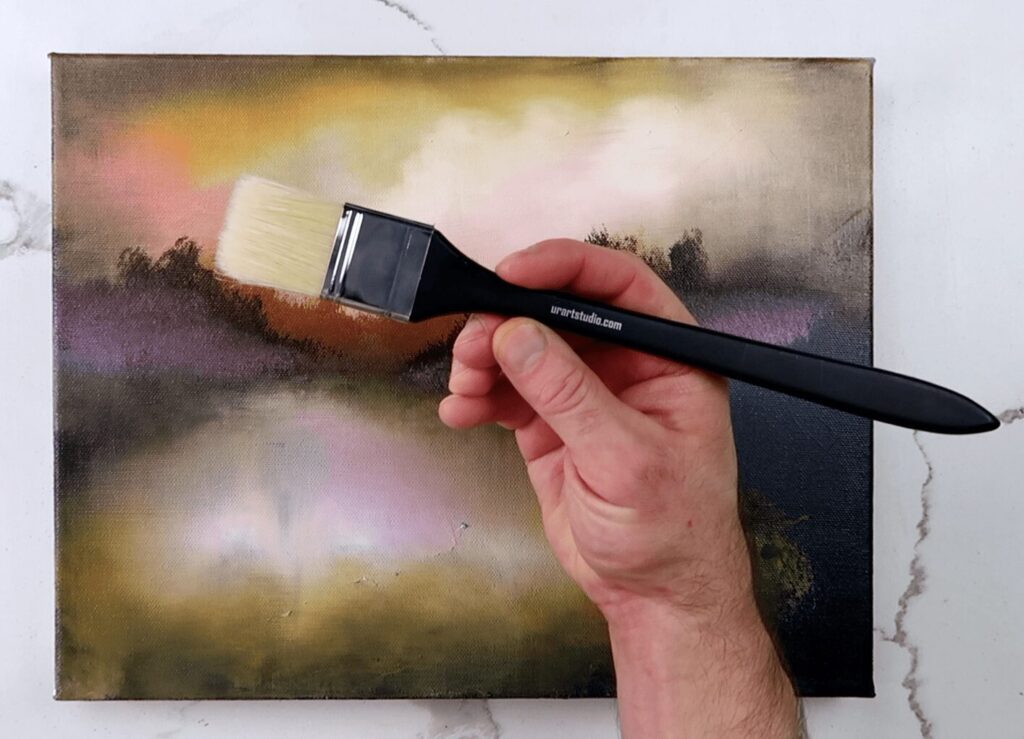
Have you ever wondered if using a wet paintbrush could enhance your artistic creations? The answer is a resounding yes! Using a slightly damp brush can unlock a world of unique effects and textures, adding depth and dimension to your artwork. This article will explore the fascinating possibilities of incorporating wet brushes into your painting techniques, covering various mediums like acrylics, watercolors, and oils. We’ll delve into specific techniques, benefits, and tips to help you master this versatile approach to painting.
Wet Paintbrushes for Acrylics
Acrylic paints are known for their versatility and quick drying time. Using a wet brush with acrylics can create interesting effects like soft blending, feathered edges, and textured washes.
Soft Blending
A slightly damp brush helps to seamlessly blend acrylic colors together, creating smooth transitions and gradients. Experiment with different levels of moisture to achieve varying degrees of softness. Remember to work quickly as acrylics dry fast.
Feathered Edges
For a delicate and ethereal look, use a wet brush to feather the edges of your acrylic strokes. This technique creates soft, diffused lines that add a sense of movement and airiness to your artwork.
Textured Washes
A wet brush can be used to create textured washes by applying diluted acrylic paint in broad strokes. The moisture helps to spread the paint evenly while allowing for subtle variations in texture. Experiment with different brush types and pressure to achieve unique effects.
Wet Paintbrush Techniques
Beyond specific mediums, there are several fundamental techniques that utilize a wet brush to enhance your painting process.
Glazing
Glazing involves applying thin, transparent layers of paint over dried layers. Using a slightly damp brush allows for smoother application and better blending of these delicate layers, creating luminous effects and depth in your artwork.
Scumbling
Scumbling is a technique where you apply a thin layer of opaque paint over a dry surface using a dry or lightly damp brush. This creates a textured, broken effect that adds visual interest and dimension to your painting.
Dry Brushing
While technically not using a “wet” brush, dry brushing involves using a brush with very little paint on it to create a light, textured effect. A slightly damp brush can be used for a variation of this technique, allowing for more control and blending.
Watercolor Effects with Wet Brushes
Watercolor painting thrives on the interplay of water and pigment. Using a wet brush is essential for achieving many classic watercolor effects.
Washes
Washes are broad strokes of diluted watercolor paint applied to create smooth gradients and backgrounds. A wet brush helps to evenly distribute the paint and achieve seamless transitions. Experiment with different levels of dilution and brush pressure to control the intensity and flow of your washes.
Wet-on-Wet Technique
This technique involves applying wet paint onto a wet surface, allowing colors to blend organically and create soft edges. A wet brush is crucial for achieving this effect, as it helps to spread the paint evenly and encourage diffusion.
Oil Painting and Damp Brushes
While oil paints are known for their slow drying time, using a slightly damp brush can still offer unique benefits.
Glazing
Glazing with oil paints involves applying thin layers of transparent color over dried layers. A damp brush helps to create smoother transitions and blend the glazes seamlessly, building up rich depth and luminosity in your artwork.
Impasto
Impasto is a technique that involves applying thick layers of paint to create textured surfaces. While traditionally achieved with a palette knife, using a slightly damp brush can help to spread and blend thicker oil paints, creating unique impasto effects.
Benefits of Using Wet Brushes
Incorporating wet brushes into your painting practice offers numerous advantages:
- Unique Textures: Wet brushes allow you to create a wider range of textures, from soft blends to rough impasto effects.
- Enhanced Blending: A damp brush facilitates smoother blending and transitions between colors, creating more harmonious compositions.
- Luminous Effects: Using wet brushes in glazing techniques can enhance the luminosity and depth of your artwork.
- Creative Exploration: Experimenting with wet brushes opens up new possibilities for artistic expression and encourages you to explore unconventional techniques.
Conclusion
Using a wet paintbrush is a valuable tool that can significantly elevate your painting skills. Whether you’re working with acrylics, watercolors, or oils, incorporating this technique into your repertoire will unlock a world of creative possibilities. Don’t be afraid to experiment and discover the unique effects that a slightly damp brush can bring to your artwork.

