
Navigating traffic laws can sometimes feel like a complex puzzle, especially when it comes to maneuvers like turning left on red. While this maneuver might seem straightforward, its legality varies significantly depending on your location and specific circumstances. Understanding the rules surrounding left turns on red is crucial for ensuring both your safety and compliance with local regulations. This article will delve into the intricacies of left turns on red, exploring the legal framework, safety considerations, and conditions under which this maneuver is permitted.
This comprehensive guide will first examine the legal landscape surrounding left turns on red, outlining the variations in laws across different jurisdictions. We’ll then discuss the essential safety precautions drivers must take when considering a left turn on red. Subsequently, we’ll clarify the specific conditions under which left turns on red are generally allowed and delve into the importance of yielding to oncoming traffic and pedestrians. Finally, we’ll emphasize the significance of adhering to local traffic regulations and provide concluding remarks on responsible driving practices.
Left Turn on Red Laws
Traffic laws governing left turns on red can differ considerably from state to state and even within cities. Some jurisdictions strictly prohibit left turns on red under all circumstances, while others permit it with specific conditions. It’s crucial to familiarize yourself with the traffic laws in your area before attempting a left turn on red.
In states where left turns on red are permitted, there are often additional stipulations. For instance, drivers may be required to come to a complete stop at the stop line or crosswalk before turning, ensure that the intersection is clear of oncoming traffic and pedestrians, and yield the right-of-way to any vehicles or pedestrians already in the intersection.
Failing to comply with these regulations can result in fines, points on your driving record, or even more severe penalties depending on the severity of the violation. Always prioritize safety and legal compliance when navigating intersections.
Safety Considerations

Safety should always be paramount when considering a left turn on red. While some jurisdictions allow this maneuver under specific conditions, it inherently carries a higher risk compared to other turns.
Drivers must exercise extreme caution and vigilance when executing a left turn on red. This includes:
- Thoroughly checking for oncoming traffic: Ensure that no vehicles are approaching from the opposite direction before initiating the turn.
- Scanning for pedestrians: Be aware of pedestrians crossing the street or waiting at the curb, as they may not anticipate a left turn on red.
- Adjusting speed accordingly: Reduce your speed to allow ample time to assess traffic and pedestrian movement.
Remember, even if left turns on red are legal in your area, it’s essential to prioritize safety over convenience.
When Is It Allowed?
While the legality of left turns on red varies widely, there are some general conditions under which this maneuver is typically permitted:
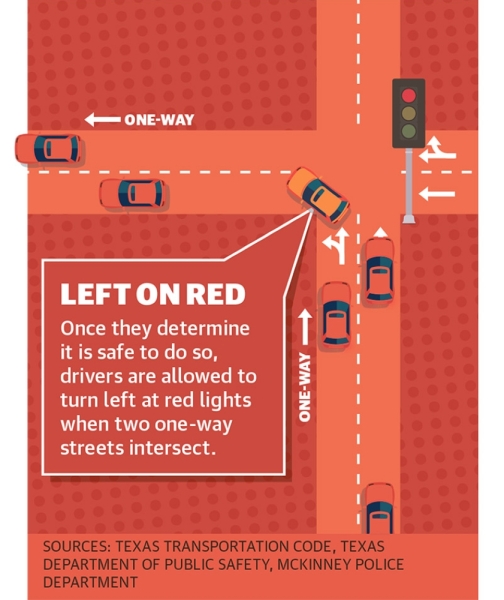
- One-way streets: In many jurisdictions, left turns on red are allowed from a one-way street onto another one-way street. This reduces the risk of oncoming traffic as vehicles are already traveling in the same direction.
- Specific intersections: Some intersections may have designated signs or signals permitting left turns on red under specific circumstances. Always pay attention to posted signage and traffic signals.
It’s crucial to remember that even when permitted, left turns on red should only be executed with extreme caution and after ensuring the intersection is clear of all traffic and pedestrians.
Yielding to Traffic and Pedestrians

Regardless of local regulations, yielding the right-of-way to other vehicles and pedestrians is paramount when making a left turn on red. This means:
- Coming to a complete stop: Before turning, come to a full stop at the designated stop line or crosswalk.
- Assessing traffic flow: Carefully observe oncoming traffic from both directions to ensure that no vehicles are approaching.
- Yielding to pedestrians: Always yield to any pedestrians crossing the street or waiting at the curb, even if they are not in your immediate path.
Remember, yielding the right-of-way is a fundamental principle of safe driving and helps prevent accidents.
Local Traffic Regulations
Traffic laws governing left turns on red can vary significantly from one location to another. It’s essential to familiarize yourself with the specific regulations in your area by:
- Consulting local traffic codes: Most municipalities publish their traffic codes online or at local government offices.
- Paying attention to signage: Traffic signs and signals provide clear instructions regarding permitted turns and right-of-way rules.
- Asking local authorities: If you have any doubts or questions, don’t hesitate to contact your local police department or transportation authority for clarification.
Conclusion
Understanding the laws and safety considerations surrounding left turns on red is crucial for responsible driving. While this maneuver may be permitted in some jurisdictions under specific conditions, it always carries a higher risk compared to other turns.
Prioritize safety by thoroughly checking traffic flow, yielding to pedestrians and oncoming vehicles, and adhering to local regulations. Remember, even if left turns on red are legal, exercising caution and vigilance is essential for preventing accidents and ensuring the well-being of yourself and others on the road.