
Driving is a fundamental part of modern life, allowing us to navigate our world efficiently and connect with others. However, it’s crucial to remember that driving comes with responsibilities, and adhering to traffic laws is paramount for ensuring safety on the roads. One common question that arises is whether is it illegal to drive in reverse or is it illegal to drive backwards on the road. The answer, in most cases, is a resounding yes.
This article will delve into the legal ramifications of reverse driving, explore the inherent safety concerns associated with it, and discuss the traffic regulations that prohibit this practice. We’ll also examine the potential consequences of violating these laws and offer alternative solutions for navigating situations where reversing might seem tempting.
Reverse Driving Laws
The legality of reverse driving varies slightly across jurisdictions, but generally speaking, it is prohibited on most public roads. Traffic laws are designed to ensure smooth and predictable traffic flow, and reversing in designated lanes disrupts this order. Most states have specific statutes that explicitly forbid driving backwards on roadways unless absolutely necessary for safe maneuvering, such as pulling into or out of a driveway or parking space.
These laws often emphasize the importance of maintaining forward visibility and control while operating a vehicle. Driving in reverse significantly limits your field of view, making it harder to anticipate hazards and react appropriately to changing traffic conditions.
Exceptions to Reverse Driving Laws
While reversing on public roads is generally illegal, there are some exceptions. For instance, you might be permitted to reverse briefly in certain situations:
- Entering or Exiting a Driveway: When pulling out of your driveway onto a road, it’s often necessary to reverse for a short distance to align your vehicle properly.
- Parking Maneuvers: Reversing is sometimes required when parking, such as backing into a parallel parking space. However, you should always ensure that the area behind your vehicle is clear and safe before reversing.
- Emergency Situations: In rare cases, reversing might be necessary to avoid an immediate danger, such as a collision or obstacle in your path.
It’s important to note that these exceptions are generally limited to brief maneuvers and should only be performed when absolutely necessary.
Safety Concerns of Reverse Driving
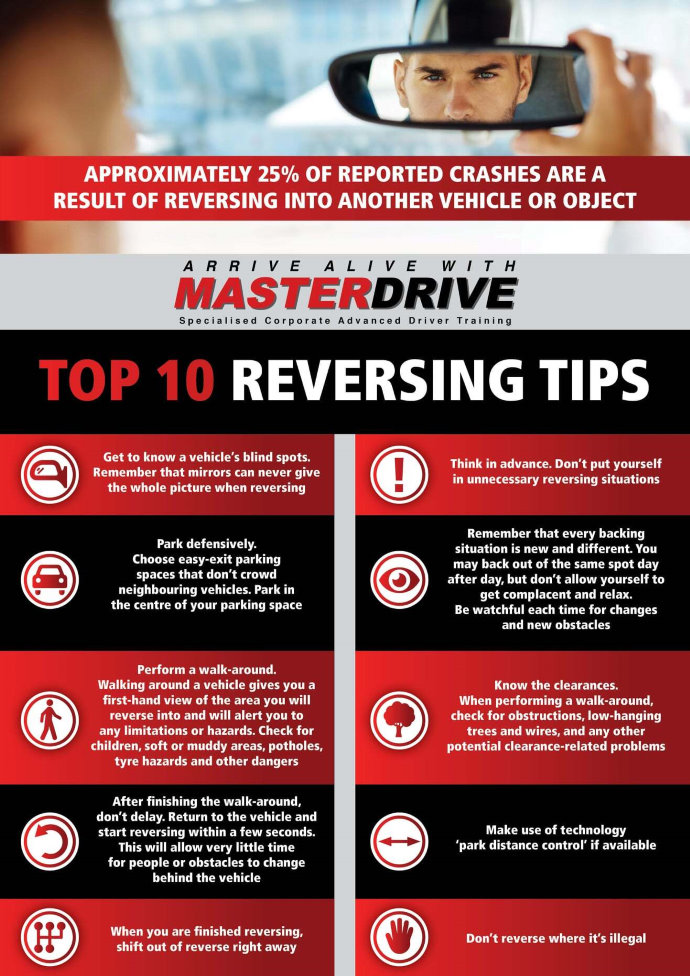
The inherent limitations of reverse driving pose significant safety risks for both the driver and other road users. Your rearview mirror provides a limited view, and blind spots are significantly larger when reversing. This reduced visibility makes it challenging to detect pedestrians, cyclists, or other vehicles that might be approaching from behind or alongside your vehicle.
Furthermore, when driving in reverse, you have less control over your vehicle’s speed and direction. It takes longer to brake and steer effectively, increasing the risk of collisions, especially at low speeds.
Pedestrian Safety
Pedestrians are particularly vulnerable when it comes to reverse driving accidents. They often rely on their ability to see approaching vehicles, and reversing vehicles can easily sneak up on them due to limited visibility. Children, elderly individuals, and those with visual impairments are especially susceptible to these dangers.
Traffic Regulations and Reverse Driving
Traffic regulations are designed to maintain order and safety on the roads. Reversing in designated lanes directly contradicts these principles by disrupting traffic flow and increasing the risk of accidents. Most jurisdictions have specific laws prohibiting reverse driving on public roads, except for limited exceptions as mentioned earlier.
These laws often include penalties for violating them, ranging from fines to points on your driver’s license. In some cases, repeated offenses can even lead to suspension or revocation of your driving privileges.
Legal Consequences of Reverse Driving
The legal consequences of is it illegal to drive in reverse vary depending on the specific circumstances and local laws. However, generally speaking, you could face:
- Fines: Traffic violations often result in monetary penalties, which can increase for repeat offenses or more serious infractions.
- Points on Your License: Accumulating points on your driver’s license can lead to increased insurance premiums, driving restrictions, or even suspension of your license.
- Criminal Charges: In some cases, particularly if a reverse driving incident results in injury or property damage, you could face criminal charges such as reckless driving or negligent homicide.
It’s crucial to understand that the legal ramifications of reverse driving can be severe and have long-lasting consequences.
Alternatives to Reverse Driving
Fortunately, there are often safer and more legal alternatives to reversing on public roads:
- Plan Your Route: Before setting out on a journey, carefully plan your route to minimize the need for reversing.
- Use Parking Aids: Modern vehicles often come equipped with parking sensors or backup cameras that can assist you in maneuvering safely when parking.
- Ask for Assistance: If you’re unsure about how to safely navigate a situation involving reverse driving, don’t hesitate to ask for assistance from another driver or pedestrian.
By considering these alternatives and prioritizing safety, you can avoid the risks and legal consequences associated with reverse driving on public roads.
Conclusion
Driving in reverse on public roads is generally illegal due to significant safety concerns and traffic regulations designed to ensure order and predictability. While there are limited exceptions for specific maneuvers like entering or exiting driveways, it’s crucial to prioritize forward driving whenever possible. Understanding the legal ramifications of reverse driving and exploring alternative solutions can help you navigate roadways safely and responsibly. Remember, adhering to traffic laws not only protects yourself but also contributes to a safer environment for all road users.

