
Navigating the legal system can be complex and daunting, especially when facing a lawsuit or legal dispute. One crucial aspect to consider is how lawyers are compensated for their services. Understanding the different fee structures available is essential for making informed decisions about your legal representation. This article will delve into the two primary fee arrangements: contingency fees and hourly rates, outlining their pros and cons to help you choose the best option for your situation.
This article will first explain the concept of contingency fees, detailing how they work and when they are typically used. We will then explore hourly rate structures, discussing their advantages and disadvantages. Subsequently, we’ll examine the benefits of contingency fees and the drawbacks of hourly rates, providing a comprehensive comparison to guide your decision-making process. Finally, we’ll offer practical tips on choosing the right fee structure based on your individual needs and circumstances.
Contingency Fees Explained
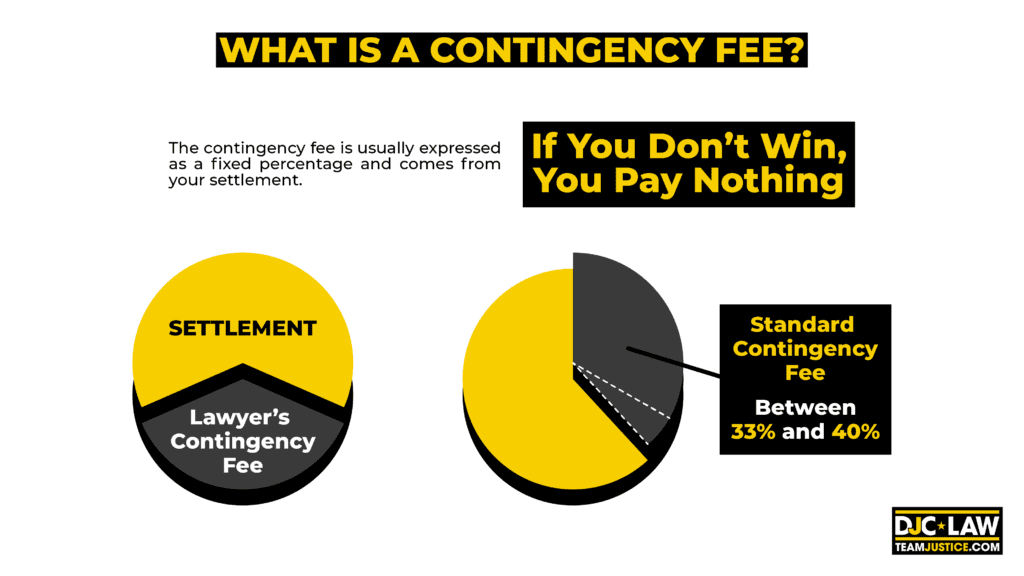
Contingency fees are a popular fee arrangement in personal injury and other civil litigation cases. Under this structure, the lawyer only receives payment if they successfully win your case. The fee is typically a percentage of the total settlement or judgment awarded to you. For example, a lawyer might charge 33% of the final award. This means that if you receive $100,000 in damages, the lawyer would receive $33,000, and you would keep the remaining $67,000.
Contingency fees incentivize lawyers to work diligently on your behalf because their compensation is directly tied to the outcome of your case. They are motivated to achieve the best possible result for you, as their success depends on it. Furthermore, contingency fees can be particularly beneficial for individuals who may not have the financial resources to pay upfront legal fees.
Hourly Rates for Lawyers

Hourly rates are a more traditional fee structure where lawyers charge a predetermined amount per hour of work performed. This means that you will be billed for every minute spent on your case, including research, drafting documents, attending meetings, and court appearances. Hourly rates can vary widely depending on the lawyer’s experience, expertise, location, and the complexity of your case.
Some lawyers may offer a flat fee for specific legal services, such as preparing a simple will or reviewing a contract. However, most complex legal matters are billed on an hourly basis. It is essential to discuss the hourly rate with your lawyer upfront and obtain a clear understanding of how they calculate their fees.
Benefits of Contingency Fees
One of the primary benefits of contingency fees is that they make legal representation more accessible to individuals who may not have the financial means to pay upfront legal expenses. By only paying if you win, contingency fees can alleviate the financial burden associated with litigation.
Furthermore, contingency fees incentivize lawyers to work diligently and effectively on your behalf. Their compensation is directly tied to the outcome of your case, so they are highly motivated to achieve a favorable result for you. This can lead to more aggressive representation and a greater likelihood of success.
Drawbacks of Hourly Rates

While hourly rates offer transparency in terms of billing, they can also be expensive, especially for complex or lengthy legal matters. The longer your case takes, the higher your legal fees will be. This can create financial strain and uncertainty, particularly if the outcome of your case is uncertain.
Additionally, hourly rates may not always incentivize lawyers to work efficiently. They may spend more time on a case than necessary, simply because they are being paid by the hour. This can lead to unnecessary costs and delays for you.
Choosing the Right Fee Structure
The best fee structure for your legal needs depends on several factors, including the type of case, your financial situation, and your comfort level with risk.
If you have a personal injury or other civil litigation case where the potential damages are significant, contingency fees may be a suitable option. They can provide access to experienced legal representation without upfront costs. However, if you have a less complex legal matter or prefer more predictable billing, hourly rates may be a better choice.
Conclusion
Understanding how lawyers are compensated is crucial for making informed decisions about your legal representation. Both contingency fees and hourly rates have their advantages and disadvantages. By carefully considering your individual needs and circumstances, you can choose the fee structure that best aligns with your goals and financial situation. Remember to always discuss payment terms with your lawyer upfront and ensure a clear understanding of how they calculate their fees.