
In today’s society, it’s more important than ever to use language that is inclusive and respectful of all individuals, regardless of their age. When referring to older adults, it’s crucial to choose words that acknowledge their dignity and individuality. While terms like “senior” and “elderly” are commonly used, they can sometimes be perceived as outdated or even demeaning.
This article will explore the nuances of respectful language for older adults, providing guidance on how to choose appropriate terms and pronouns. We’ll delve into the importance of person-first language, examine inclusive terminology options, and emphasize the significance of respecting individual pronoun preferences. By understanding these principles, we can create a more welcoming and inclusive environment for everyone.
Respectful Language for Older Adults
Using respectful language for older adults goes beyond simply avoiding derogatory terms. It involves choosing words that convey respect, dignity, and recognition of their experiences and perspectives.
Instead of using generalizations like “the elderly,” consider referring to individuals as “older adults” or “people of advanced age.” These terms emphasize the person first and their age second, promoting a more person-centered approach. Remember that older adults are a diverse group with a wide range of backgrounds, experiences, and preferences.
Avoid using language that implies frailty, dependence, or cognitive decline. Terms like “infirm” or “demented” can be hurtful and perpetuate negative stereotypes. Instead, focus on their abilities and strengths.
Person-First Language

Person-first language is a fundamental principle of respectful communication with individuals of all ages, including older adults. It emphasizes the individual as a whole person rather than defining them solely by their age or any other characteristic.
For example, instead of saying “the Alzheimer’s patient,” say “the person with Alzheimer’s.” This shift in language acknowledges the person’s individuality and humanity. Similarly, instead of saying “the senior citizen,” say “the older adult.”
By using person-first language, we create a more inclusive and respectful environment where everyone feels valued and recognized.
Inclusive Terminology
Choosing inclusive terminology is essential for creating a welcoming and respectful environment for older adults.
Avoid using terms that are outdated, offensive, or perpetuate negative stereotypes. For instance, instead of “old-fashioned,” consider using “traditional” or “classic.” Instead of “senile,” use “experiencing cognitive changes.”
When referring to older adults’ abilities, focus on their strengths and capabilities. Instead of saying “they can’t do that anymore,” say “they may approach it differently.” Remember, language has power, and choosing inclusive terms can make a significant difference in how older adults are perceived and treated.
Pronoun Preferences

Just like any other individual, older adults have their own pronoun preferences. It’s crucial to respect these preferences and use the pronouns that individuals identify with.
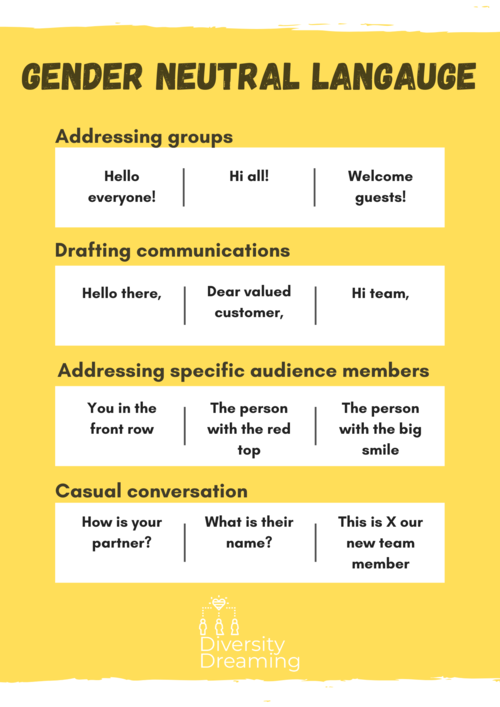
While “he” and “she” are the most common pronouns, some older adults may identify as non-binary and use pronouns like “they/them.” Always ask individuals how they prefer to be addressed and use the pronouns they provide.
Failing to respect pronoun preferences can be hurtful and disrespectful. By making an effort to use the correct pronouns, we demonstrate our commitment to inclusivity and create a more welcoming environment for everyone.
Avoiding Ageist Language
Ageism is the stereotyping and discrimination against individuals based on their age. Using ageist language can contribute to these harmful attitudes and beliefs.
Avoid making generalizations about older adults based on their age. For example, don’t assume that all older adults are frail, technologically challenged, or have limited cognitive abilities.
Instead, treat each individual with respect and recognize their unique strengths, experiences, and perspectives. By avoiding ageist language, we can challenge stereotypes and create a more equitable society for all.
Conclusion
Using respectful language for older adults is essential for creating an inclusive and welcoming environment. By embracing person-first language, choosing inclusive terminology, respecting pronoun preferences, and avoiding ageist language, we can demonstrate our commitment to treating older adults with dignity and respect.
Remember, language has power, and by making conscious choices about the words we use, we can contribute to a more equitable and inclusive society for all.

