
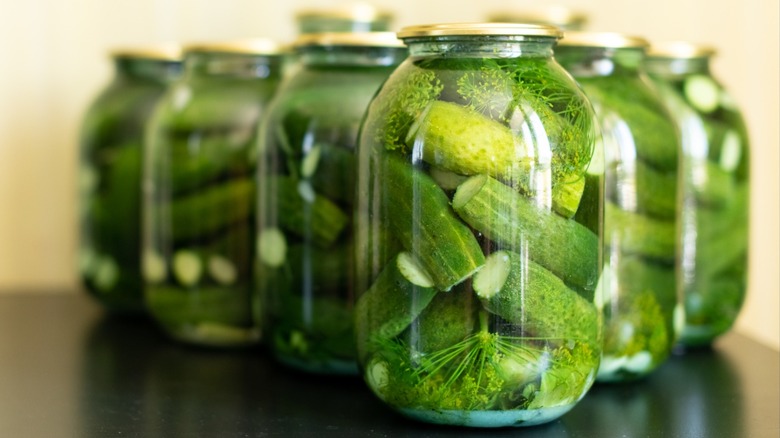
Dill pickles are a beloved condiment known for their distinctive tangy and sour taste. This unique flavor profile is the result of a fascinating fermentation process that transforms ordinary cucumbers into crunchy, flavorful treats. From their origins to the science behind their creation, dill pickles offer a captivating journey into the world of food preservation and culinary delights.
This article will delve into the intricate details of dill pickle production, exploring the role of fermentation, lactic acid, salt, and other factors that contribute to their characteristic flavor. We’ll also examine the diverse culinary uses of dill pickles, showcasing their versatility in both traditional and modern dishes.
Dill Pickles and Fermentation
At the heart of dill pickle creation lies the magic of fermentation. This ancient process involves harnessing naturally occurring microorganisms, primarily lactic acid bacteria (LAB), to transform cucumbers into a tangy, preserved delicacy. During fermentation, LAB consume sugars present in the cucumbers, producing lactic acid as a byproduct. This acidification is what gives dill pickles their signature sour taste and acts as a natural preservative, extending their shelf life.
The fermentation process typically takes several weeks, during which time the cucumbers are submerged in a brine solution consisting of salt and water. The brine creates an anaerobic environment, inhibiting the growth of harmful bacteria while promoting the proliferation of LAB. Dill, garlic, and other spices are often added to the brine to impart additional flavor and aroma to the pickles.
Lactic Acid Production
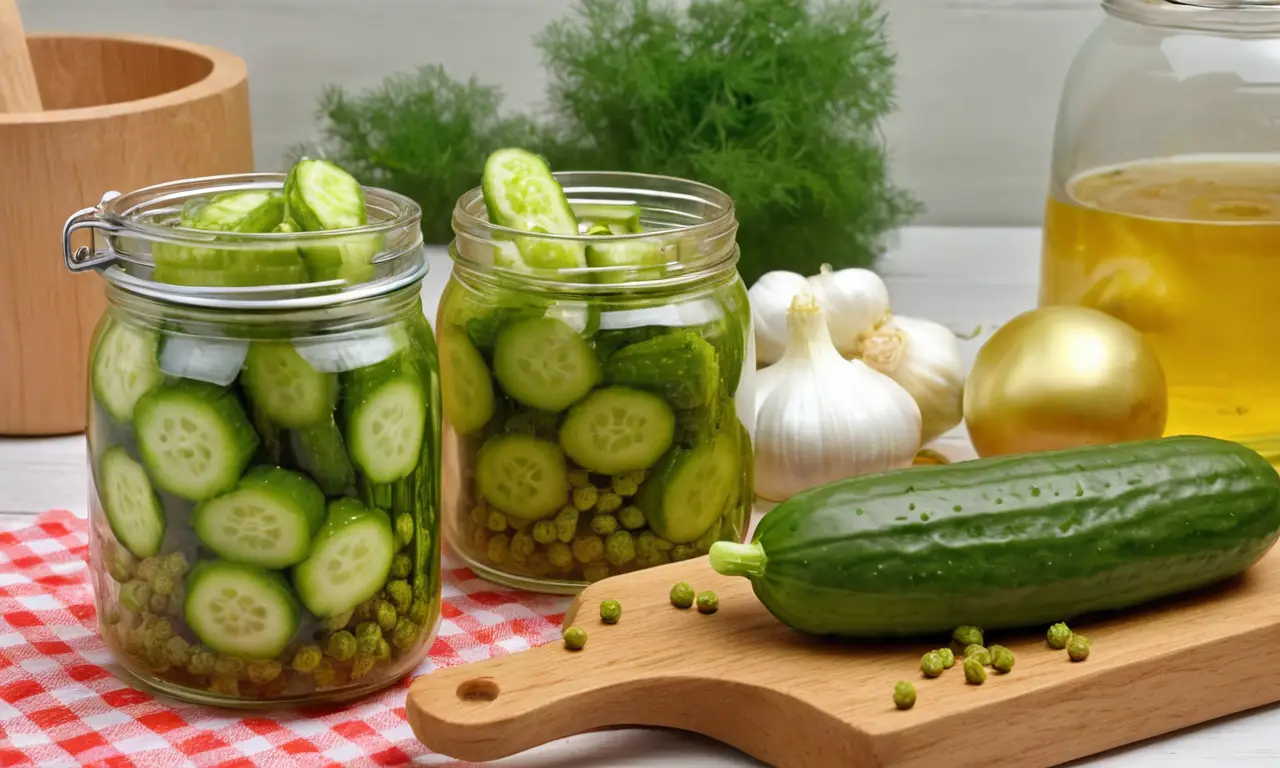
Lactic acid is the key player responsible for the sour taste of dill pickles. Produced by LAB during fermentation, lactic acid lowers the pH of the brine, creating an acidic environment that inhibits the growth of spoilage organisms. The concentration of lactic acid in dill pickles can vary depending on factors such as fermentation time, temperature, and the type of LAB present.
As lactic acid accumulates, the cucumbers gradually become more sour. This process is a delicate balance, as excessive acidity can make the pickles unpalatable. Skilled pickle makers carefully monitor the fermentation process to ensure optimal lactic acid production, resulting in a perfectly balanced flavor profile.
The Role of Salt
Salt plays a crucial role in dill pickle production beyond simply enhancing flavor. It acts as a natural preservative by inhibiting the growth of harmful bacteria and creating an osmotic pressure that draws water out of the cucumbers, contributing to their crisp texture. The salt concentration in the brine also influences the rate of fermentation and the final acidity of the pickles.
Different types of salt can be used for pickling, each imparting subtle variations in flavor. Kosher salt is a popular choice due to its coarse texture and lack of additives. Sea salt, with its mineral content, can also add unique nuances to the brine.
Flavor Profile of Dill Pickles
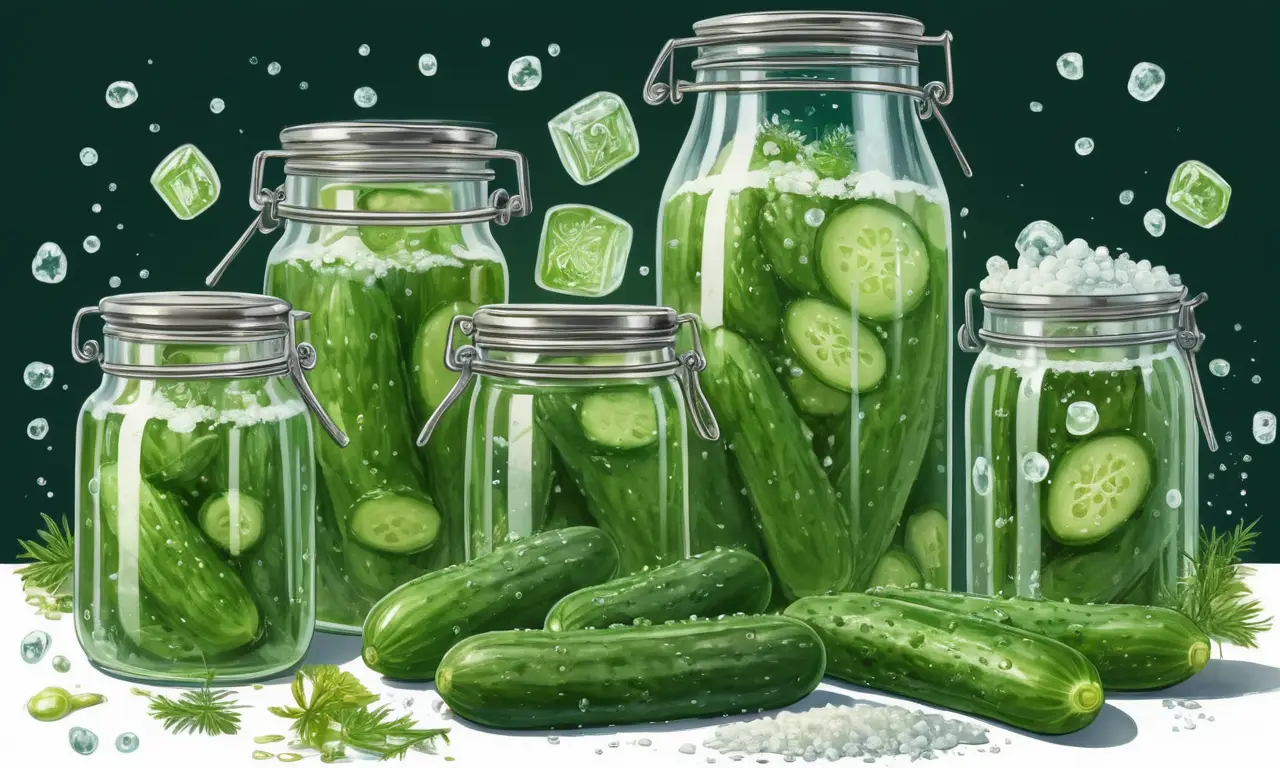
The flavor profile of dill pickles is a complex interplay of sourness, salinity, and herbaceous notes. The characteristic tanginess comes primarily from lactic acid, while salt contributes a savory depth. Dill, the namesake herb, imparts a fresh, slightly anise-like aroma and flavor that complements the other elements.
Other spices commonly added to dill pickle brines include garlic, mustard seeds, peppercorns, and coriander seeds, each contributing its own unique flavor profile. The combination of these ingredients creates a symphony of taste sensations that make dill pickles so irresistible.
Culinary Uses of Dill Pickles
Dill pickles are incredibly versatile culinary ingredients, lending their tangy crunch to a wide range of dishes. They can be enjoyed as a simple snack, straight from the jar, or incorporated into more elaborate recipes.
Classic uses:
- Sandwiches and burgers: Dill pickles add a refreshing acidity and textural contrast to classic sandwiches and burgers.
- Salads: Chopped dill pickles elevate salads with their tangy bite and crunchy texture.
- Deviled eggs: A few chopped dill pickles add a savory, briny dimension to deviled eggs.
Creative applications:
- Pickled relish: Dill pickle relish is a popular condiment for hot dogs, hamburgers, and barbecue dishes.
- Dill pickle soup: Creamy dill pickle soup is a comforting and flavorful dish.
- Dill pickle pizza: A surprising yet delicious topping that adds a tangy twist to pizza.
Conclusion
Dill pickles are more than just a simple snack; they are a testament to the power of fermentation and the art of preserving food. From the science behind lactic acid production to the intricate interplay of flavors, dill pickles offer a fascinating glimpse into the world of culinary craftsmanship. Their versatility in the kitchen makes them a beloved ingredient across diverse cuisines, adding a tangy crunch and refreshing flavor to countless dishes. Whether enjoyed straight from the jar or incorporated into more elaborate recipes, dill pickles continue to tantalize taste buds and delight food enthusiasts worldwide.