

Is there a primal urge driving our love for white cheddar cheese? Some believe this creamy, sharp variety taps into an innate human desire for specific flavors and textures, suggesting a biological basis for our preference. The question of whether we are truly “born” with a craving for white cheddar remains a fascinating debate in the realm of food psychology and evolutionary biology. This article will delve into both sides of this argument, exploring the potential biological and cultural influences that shape our taste preferences.
This exploration will begin by examining the characteristics of white cheddar cheese itself, followed by an analysis of arguments supporting the existence of a primal need for white cheddar. We’ll then consider the opposing viewpoint, exploring how learned tastes and cultural conditioning might contribute to our fondness for this particular cheese variety. Finally, we’ll touch upon the fields of food psychology and evolutionary biology to gain further insight into this intriguing question.
White Cheddar Cheese
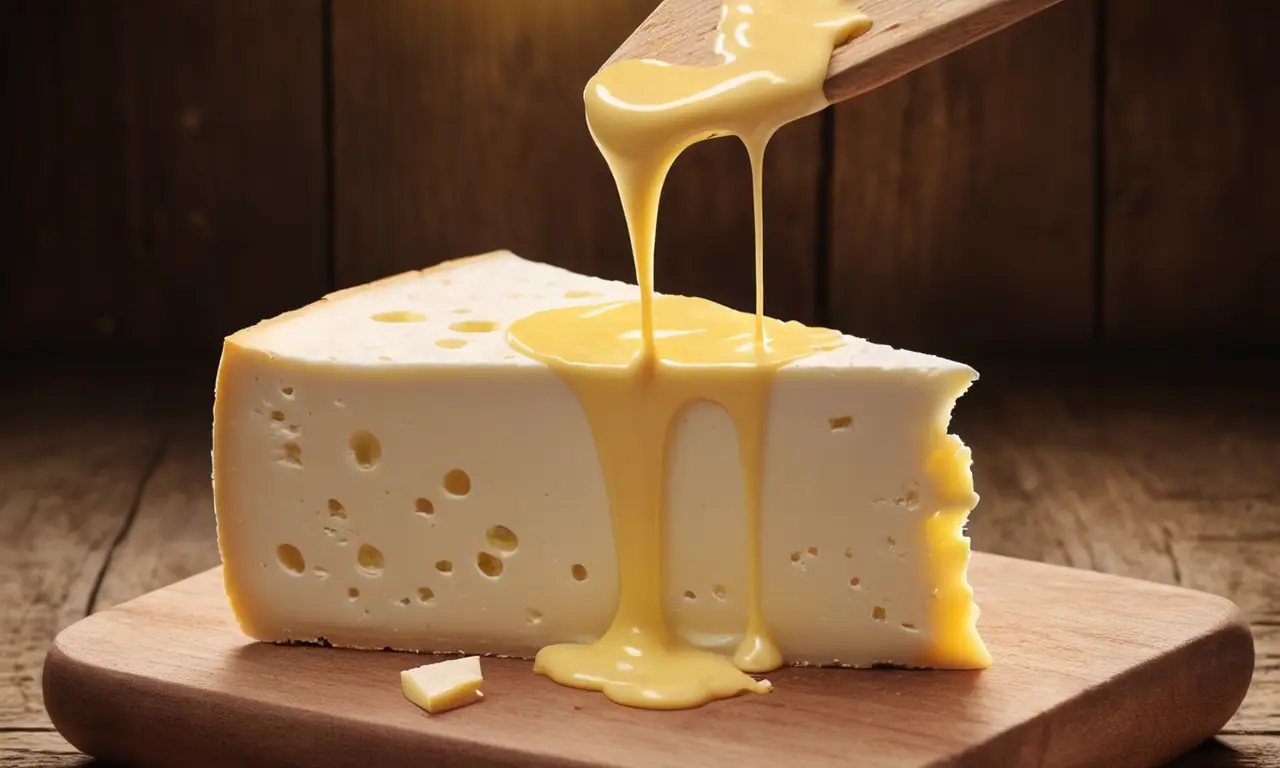
White cheddar is a popular variety of cheddar cheese known for its mild, buttery flavor and smooth, creamy texture. It typically has a pale yellow to white color due to the lower levels of beta-carotene present compared to other cheddar varieties. This cheese is often aged for a shorter period than traditional cheddar, resulting in a milder taste that appeals to a wide range of palates. White cheddar’s versatility makes it a favorite ingredient in various dishes, from sandwiches and salads to mac and cheese and grilled cheese.
The production process of white cheddar involves pasteurizing cow’s milk, adding starter cultures, and coagulating the milk with rennet. The curds are then cut, stirred, and heated before being pressed into molds. During aging, enzymes break down proteins and fats, contributing to the development of flavor and texture. White cheddar’s relatively short aging period results in a milder, creamier cheese compared to aged cheddars.
The popularity of white cheddar can be attributed to its appealing taste profile, versatility, and accessibility. Its mild flavor makes it a crowd-pleaser, while its creamy texture adds richness to various dishes.
Primal Urge

Proponents of the “primal urge” theory argue that our preference for certain foods, including white cheddar cheese, stems from an innate biological drive. They suggest that throughout human evolution, individuals who craved and consumed nutrient-rich foods like dairy products had a survival advantage. This evolutionary pressure may have led to the development of taste receptors and preferences that favor these types of foods.
Some researchers point to studies showing that infants display a natural preference for sweet tastes, which are often associated with energy-dense foods. Similarly, they argue that our affinity for fatty and salty flavors could be linked to an ancestral need for calorie-rich sustenance in times of scarcity. In this context, the creamy texture and sharp flavor of white cheddar cheese might appeal to our primal instincts, triggering a sense of satisfaction and reward.
However, it’s important to note that while evolutionary biology provides valuable insights, it doesn’t necessarily explain all aspects of human behavior, including complex taste preferences.
Learned Taste
The opposing viewpoint suggests that our love for white cheddar cheese is primarily a learned response shaped by cultural influences, personal experiences, and conditioning. From a young age, we are exposed to various flavors and textures through our families, communities, and media. These early experiences can significantly influence our taste preferences as we develop.
For example, if a child frequently enjoys white cheddar cheese in their meals, they are more likely to develop a positive association with this flavor. Similarly, cultural norms and traditions can play a role. In some cultures, white cheddar might be a staple ingredient in popular dishes, leading to its widespread acceptance and preference.
Furthermore, marketing and advertising campaigns can also influence our taste preferences by associating certain foods with positive emotions, experiences, or social groups.
Food Psychology
Food psychology explores the psychological factors that influence our eating behaviors, including our taste preferences. This field examines how emotions, memories, social influences, and cognitive processes shape our relationship with food.
Research in food psychology suggests that our taste preferences are not solely determined by biological factors but are also influenced by learned associations, cultural norms, and personal experiences. For example, a particular flavor might evoke positive memories or feelings associated with childhood, family gatherings, or special occasions. These emotional connections can strengthen our preference for certain foods, even if they lack inherent nutritional value.
Evolutionary Biology
Evolutionary biology provides insights into the development of human traits and behaviors over time. In the context of food preferences, evolutionary biologists explore how natural selection may have favored individuals who craved and consumed nutrient-rich foods that contributed to their survival and reproductive success.
Conclusion
The question of whether we are “born” with a primal need for white cheddar remains a complex and debated topic. While there is evidence suggesting an evolutionary basis for our preference for certain flavors and textures, learned tastes and cultural conditioning undoubtedly play a significant role in shaping our individual preferences. Ultimately, our love for white cheddar cheese likely stems from a combination of biological predispositions and learned experiences, highlighting the intricate interplay between nature and nurture in shaping human behavior.

