
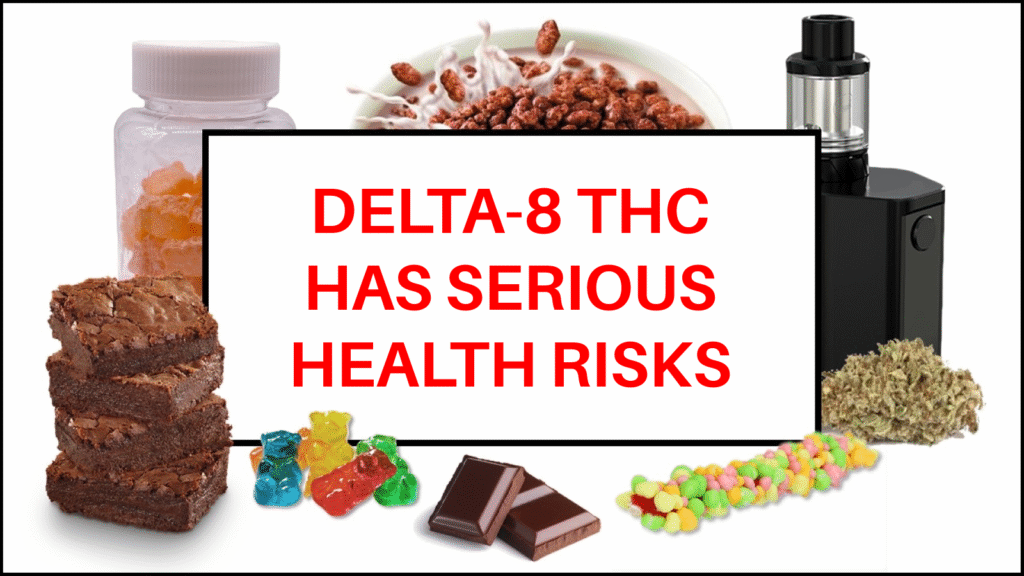
The world of psychoactive substances offers a variety of options, each with its own unique effects and risks. Two popular choices are delta 8 and spice, both capable of inducing altered states of consciousness. However, their chemical compositions and resulting experiences differ significantly. This article delves into the intricacies of delta 8 vs. spice, exploring their mechanisms, effects, potential dangers, and ultimately guiding you towards a safer choice based on your individual needs and preferences.
This comprehensive guide will dissect the science behind both substances, compare their effects and risks, and provide crucial safety considerations to help you make an informed decision. By understanding the nuances of delta 8 vs. spice, you can navigate this complex landscape with greater awareness and responsibility.
Delta 8 THC Explained
Delta 8 THC is a naturally occurring cannabinoid found in trace amounts within the cannabis plant. While structurally similar to its more famous counterpart, delta 9 THC, it produces a milder psychoactive effect. This means users typically experience less intense euphoria and altered perception compared to traditional marijuana use.
The mechanism of action for delta 8 involves binding to the CB1 receptors in the brain, responsible for mediating various physiological and psychological responses. However, its affinity for these receptors is lower than delta 9 THC, resulting in a gentler high. Many users describe delta 8 as more relaxing and clear-headed compared to traditional marijuana, making it appealing for those seeking a less intense psychoactive experience.
Legal Status of Delta 8
The legal status of delta 8 THC is currently a gray area in many jurisdictions. While federal law does not explicitly prohibit its sale or possession, some states have implemented their own regulations or outright bans. It’s crucial to research the specific laws in your region before purchasing or using delta 8 products.
Spice (Synthetic Cannabinoids) Defined

Spice, also known as synthetic cannabinoids, is a complex mixture of man-made chemicals designed to mimic the effects of marijuana. These synthetic compounds are sprayed onto plant material, which is then sold as “herbal incense” or “potpourri.” Despite its marketing as a legal alternative to cannabis, Spice poses significant health risks due to its unregulated nature and unpredictable chemical composition.
The specific chemicals used in Spice constantly evolve, making it difficult for authorities to keep pace with new iterations. This lack of regulation means users have no guarantee of what they are consuming, increasing the risk of adverse reactions and potentially dangerous side effects.
Effects of Delta 8 vs. Spice
Both delta 8 and Spice can induce psychoactive effects, but their intensity and duration vary considerably. Delta 8 typically produces a milder high characterized by relaxation, euphoria, and altered perception. Users often report feeling more focused and clear-headed compared to traditional marijuana use.
Spice, on the other hand, can produce unpredictable and often intense psychoactive effects. Users may experience heightened anxiety, paranoia, rapid heart rate, nausea, vomiting, and even hallucinations. The severity of these effects depends on the specific chemicals present in the Spice mixture and individual user tolerance.
Risks and Side Effects Comparison
While both delta 8 and Spice carry potential risks, delta 8 is generally considered safer due to its natural origin and milder effects. However, it’s important to note that even delta 8 can cause side effects such as dry mouth, red eyes, dizziness, and impaired coordination.
Spice poses significantly greater health risks due to its unregulated nature and unpredictable chemical composition. Users may experience severe adverse reactions, including seizures, psychosis, respiratory distress, and even death. The long-term consequences of using Spice are largely unknown, but the potential for serious harm is undeniable.
Safety Considerations: Delta 8 vs. Spice
When considering delta 8 or Spice, prioritize safety by choosing reputable sources and exercising caution. For delta 8, look for products from trusted brands that provide third-party lab testing results to ensure purity and potency. Start with a low dose and gradually increase as needed, paying attention to your body’s response.
Spice is inherently unsafe due to its unregulated nature and unpredictable chemical composition. Avoid using Spice altogether to minimize the risk of serious health consequences. If you are considering using any psychoactive substance, consult with a healthcare professional to discuss potential risks and benefits based on your individual circumstances.
Conclusion
The choice between delta 8 and Spice ultimately depends on your individual preferences and risk tolerance. While both substances can induce altered states of consciousness, delta 8 offers a milder and generally safer experience due to its natural origin and regulated production in some areas.
Spice, however, poses significant health risks due to its unregulated nature and unpredictable chemical composition. It’s crucial to prioritize safety by avoiding Spice altogether and choosing reputable sources for delta 8 products. Remember, informed decision-making is essential when navigating the complex world of psychoactive substances.

