

The winter months bring a unique set of challenges for individuals experiencing homelessness. As temperatures plummet, finding shelter and warmth becomes a critical concern for survival. Fortunately, numerous organizations and communities across the country work tirelessly to provide safe havens and essential resources during this vulnerable time. This article will delve into the various options available for where do the homeless go in winter, exploring the vital role of shelters, warming centers, and community outreach programs in ensuring the well-being of those facing homelessness.
This comprehensive guide will examine different types of winter shelter options, highlight the crucial services offered by warming centers, and shed light on the invaluable support provided by community organizations. We’ll also provide a list of resources to help individuals connect with assistance during the colder months.
Winter Shelter Options
Winter shelters are specifically designed to offer temporary housing for homeless individuals during the coldest months of the year. These facilities typically operate from late fall through early spring, providing a safe and warm environment where people can escape the harsh elements.
Types of Winter Shelters
There are several types of winter shelters, each catering to specific needs:
- Emergency Shelters: These shelters offer immediate refuge for individuals experiencing homelessness, regardless of their circumstances. They often operate on a first-come, first-served basis and provide basic necessities like beds, blankets, and meals.
- Faith-Based Shelters: Many churches, synagogues, and mosques open their doors to provide temporary housing during the winter months. These shelters often offer additional services such as religious programs, counseling, and social support.
- Family Shelters: These shelters are specifically designed to accommodate families experiencing homelessness, providing separate sleeping arrangements for parents and children. They also often offer childcare services, educational programs, and parenting support.
Shelter Requirements and Policies
While winter shelters aim to provide a safe haven, they typically have certain requirements and policies in place:
- Curfew: Most shelters impose curfews to ensure order and security.
- Quiet Hours: Shelters often designate quiet hours to promote rest and sleep.
- Rules of Conduct: Shelters may have rules regarding alcohol consumption, drug use, and disruptive behavior.
Warming Centers for Homeless Individuals
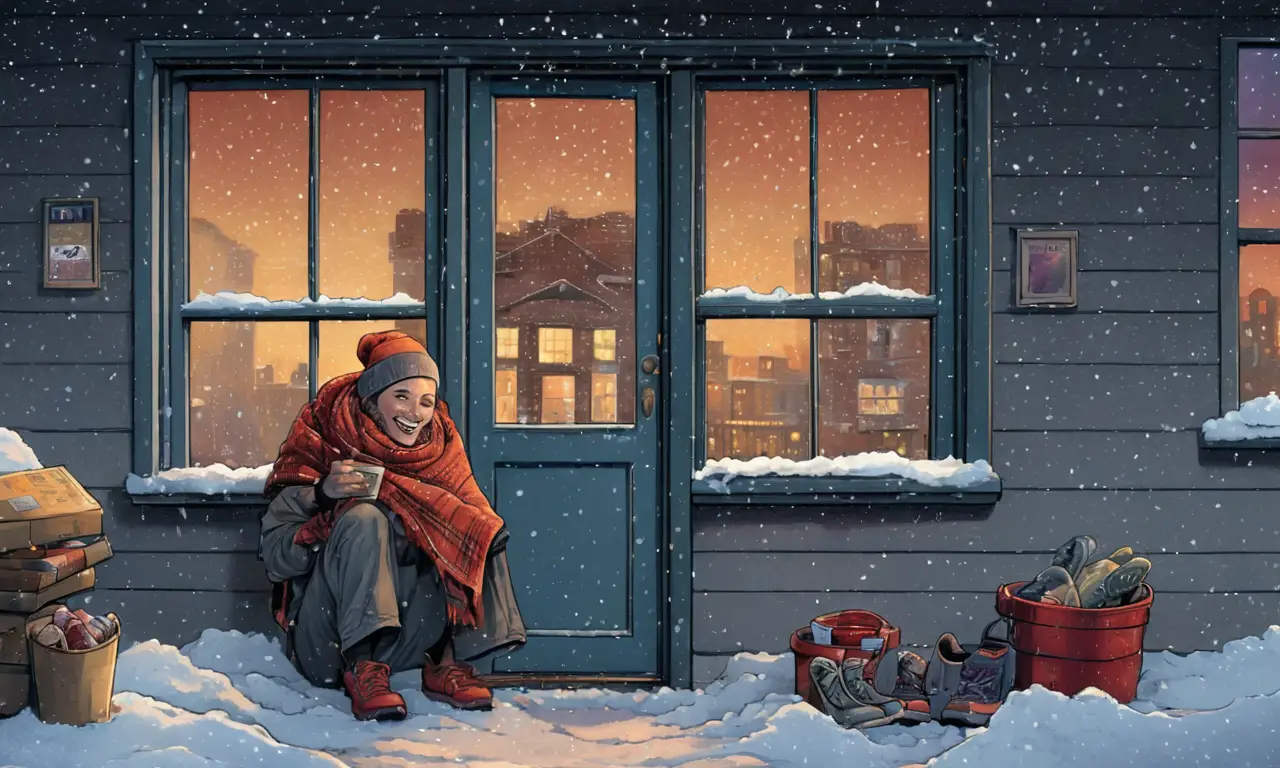
Warming centers are temporary facilities that provide a warm and safe space for individuals experiencing homelessness during extreme cold weather events. Unlike shelters, warming centers typically do not offer overnight accommodations but provide a place to escape the freezing temperatures during the day.
Services Offered at Warming Centers
Warming centers often provide essential services such as:
- Heat: The primary function of a warming center is to offer a warm and comfortable environment.
- Food and Beverages: Many warming centers serve hot meals and beverages to those in need.
- Restrooms and Showers: Access to clean restrooms and showers can be crucial for individuals experiencing homelessness.
Locations and Hours of Operation
Warming centers are often located in community centers, churches, or other public buildings. Their hours of operation may vary depending on the severity of the weather conditions.
Essential Services Provided
Beyond providing basic shelter and warmth, many winter shelters and warming centers offer a range of essential services to support individuals experiencing homelessness:
Healthcare Services
Some shelters and warming centers have partnerships with healthcare providers to offer on-site medical care, including:
- Basic Health Checkups: Staff can provide screenings for common illnesses and injuries.
- Prescription Assistance: Shelters may help connect individuals with resources for obtaining necessary medications.
- Mental Health Support: Some facilities offer counseling services or referrals to mental health professionals.
Case Management Services
Case managers play a vital role in helping individuals experiencing homelessness navigate the complex system of social services. They can assist with:
- Finding Permanent Housing: Case managers work with individuals to identify suitable housing options and help them through the application process.
- Accessing Benefits: They can guide individuals through the process of applying for government assistance programs, such as food stamps or unemployment benefits.
- Developing Life Skills: Case managers may provide support in areas like job searching, budgeting, and conflict resolution.
Job Training and Employment Assistance
Some shelters offer job training programs or connect individuals with employment opportunities. These services can help empower individuals to achieve financial independence.
Community Outreach Programs

Community organizations play a crucial role in supporting individuals experiencing homelessness during the winter months through various outreach programs:
Clothing Drives and Blanket Donations
Many groups organize clothing drives and blanket donations to ensure that homeless individuals have warm clothing and bedding during the cold weather.
Food Banks and Soup Kitchens
Food banks and soup kitchens provide essential meals to those in need, offering a lifeline for individuals struggling with food insecurity.
Emergency Housing Assistance
Some organizations offer emergency housing assistance programs, providing temporary financial support to help individuals secure safe and stable housing.
Resources for the Homeless
If you or someone you know is experiencing homelessness, there are numerous resources available to provide support:
- National Alliance to End Homelessness: https://endhomelessness.org/
- The National Coalition for the Homeless: https://nationalhomeless.org/
- United Way: https://www.unitedway.org/
Conclusion
Winter presents unique challenges for individuals experiencing homelessness, but thankfully, a network of shelters, warming centers, and community organizations work tirelessly to provide essential support during this vulnerable time. By understanding the various options available and utilizing the resources provided, we can collectively strive to ensure that everyone has access to warmth, safety, and basic necessities during the coldest months of the year.