

Lamps have become an integral part of modern interior design, serving a dual purpose of providing illumination and enhancing the aesthetic appeal of a space. While they undoubtedly offer essential light, lamps are often categorized as decorative furnishings rather than structural furniture pieces. Their primary function is to create ambiance and provide task lighting, contributing significantly to the overall functionality and visual harmony of a room.
This article delves into the diverse world of lamps, exploring various types, decorative styles, and their impact on both ambiance and task lighting. We’ll guide you through the process of choosing the right lamp for your needs, ensuring it complements your decor and effectively illuminates your space.
Types of Lamps
The realm of lamps is incredibly diverse, offering a wide array of options to suit different styles, purposes, and spaces. Some common types include:
- Table Lamps: These versatile lamps are typically placed on tables or sideboards, providing focused lighting for reading, working, or simply adding a warm glow to a room. They come in various designs, from classic table lamps with fabric shades to modern minimalist options with sleek metal bases.
Floor Lamps: Standing tall and commanding attention, floor lamps offer ambient lighting for larger spaces like living rooms or bedrooms. They often feature adjustable heads for directing light where needed and can range from traditional arc lamps to contemporary tripod designs.
Pendant Lamps: Suspended from the ceiling, pendant lamps create a dramatic focal point and provide general illumination for dining areas, kitchens, or entryways. Their styles are as diverse as table and floor lamps, with options ranging from rustic chandeliers to minimalist globe pendants.
- Desk Lamps: Designed specifically for workspaces, desk lamps offer focused lighting for reading, writing, or computer use. They often feature adjustable arms and heads for optimal light direction and come in various designs, from traditional clamp lamps to modern LED task lights.
Decorative Lighting Styles
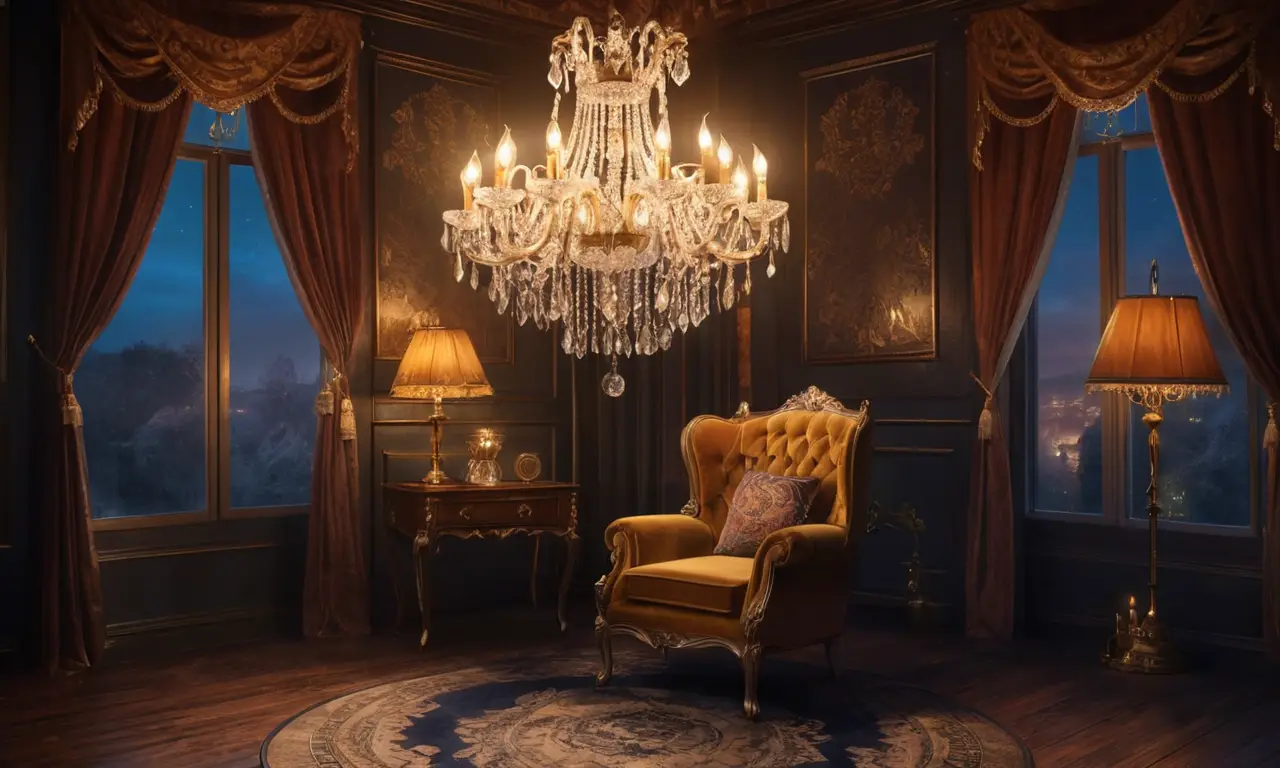
Lamps are not merely functional objects; they also serve as decorative elements that contribute significantly to a room’s overall aesthetic. Different lighting styles can evoke distinct moods and enhance the visual appeal of a space:
- Modern: Characterized by clean lines, minimalist designs, and geometric shapes, modern lamps often feature materials like metal, glass, or acrylic. They prioritize functionality and create a sleek, contemporary ambiance.
Traditional: Traditional lamps exude warmth and elegance with ornate details, rich fabrics, and classic silhouettes. Materials like wood, brass, and velvet are commonly used, creating a timeless and sophisticated look.
Industrial: Inspired by factories and warehouses, industrial lamps feature exposed bulbs, metal accents, and utilitarian designs. They add a rugged and edgy aesthetic to spaces, often incorporating reclaimed materials for a unique touch.
- Bohemian: Bohemian lamps embrace eclecticism with vibrant colors, intricate patterns, and global influences. Materials like rattan, macrame, and textiles create a relaxed and artistic atmosphere.
Enhancing Ambiance with Lamps
Lamps play a crucial role in setting the mood and creating a welcoming ambiance within a space.
- Soft Lighting: Using lamps with warm-toned bulbs can create a cozy and inviting atmosphere, perfect for relaxing evenings or intimate gatherings. Dimmable lamps allow you to adjust the brightness level, further enhancing the desired ambiance.
Layered Lighting: Combining different types of lamps throughout a room creates a more dynamic and visually appealing lighting scheme. For example, using a floor lamp for ambient lighting, table lamps for task lighting, and accent lamps to highlight specific features can add depth and interest to the space.
Color Temperature: The color temperature of light bulbs significantly impacts the mood of a room. Warm white bulbs (2700-3000K) create a cozy and inviting atmosphere, while cool white bulbs (4000-5000K) promote alertness and focus. Consider the desired ambiance when choosing the appropriate color temperature for your lamps.
Task Lighting Solutions
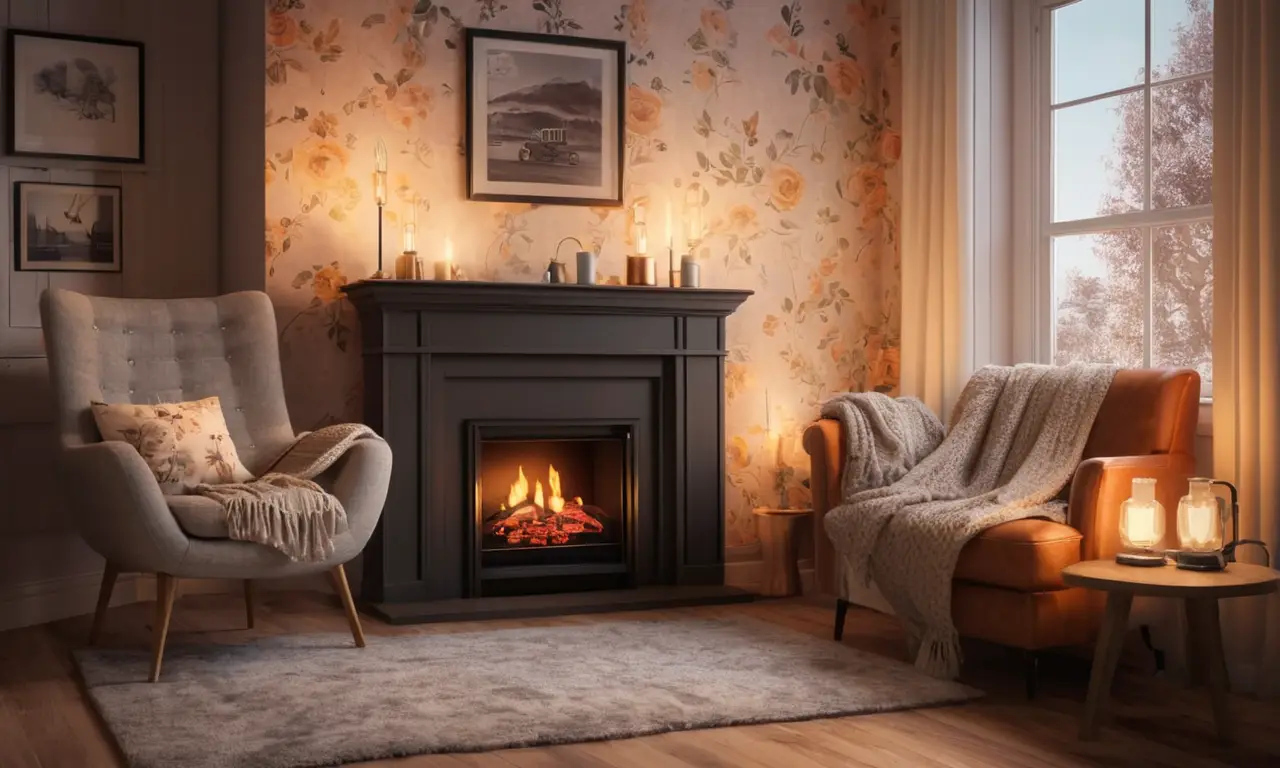
Beyond creating ambiance, lamps are essential for providing focused lighting for specific tasks.
- Reading Lamps: A well-placed reading lamp with a directional head can illuminate a book or magazine, reducing eye strain and enhancing readability. Choose a lamp with adjustable brightness levels to customize the light intensity based on your needs.
Workstation Lighting: For desks or workspaces, task lamps provide focused illumination for computer screens, writing, or other activities requiring precise vision. Look for lamps with adjustable arms and heads to direct light precisely where needed.
Craft Lamps: Craftspeople often rely on specialized lamps with magnifying lenses or gooseneck arms to provide concentrated light for intricate tasks. These lamps ensure clear visibility and reduce fatigue during prolonged work sessions.
Choosing the Right Lamp
Selecting the perfect lamp involves considering several factors to ensure it complements your decor, meets your lighting needs, and enhances the overall functionality of your space.
- Style: Choose a lamp that aligns with your existing interior design style. Consider the materials, colors, and shapes that complement your furniture and décor.
Size and Scale: The size of the lamp should be proportionate to the room and its intended use. A large floor lamp can dominate a small space, while a tiny table lamp may be lost in a spacious living room.
Light Output: Consider the desired brightness level for the specific purpose of the lamp. Reading lamps require brighter light than ambient lighting, while task lamps need focused illumination.
- Bulb Type: Different bulb types offer varying color temperatures and energy efficiency. LED bulbs are energy-efficient and long-lasting, while incandescent bulbs provide a warm glow.
Conclusion
Lamps are essential elements in interior design, serving both functional and decorative purposes. By understanding the different types of lamps, decorative styles, and their impact on ambiance and task lighting, you can choose the perfect lamps to illuminate your space and enhance its overall aesthetic appeal. Whether you seek a cozy reading nook or a dramatic statement piece, there’s a lamp out there to perfectly complement your style and needs.