
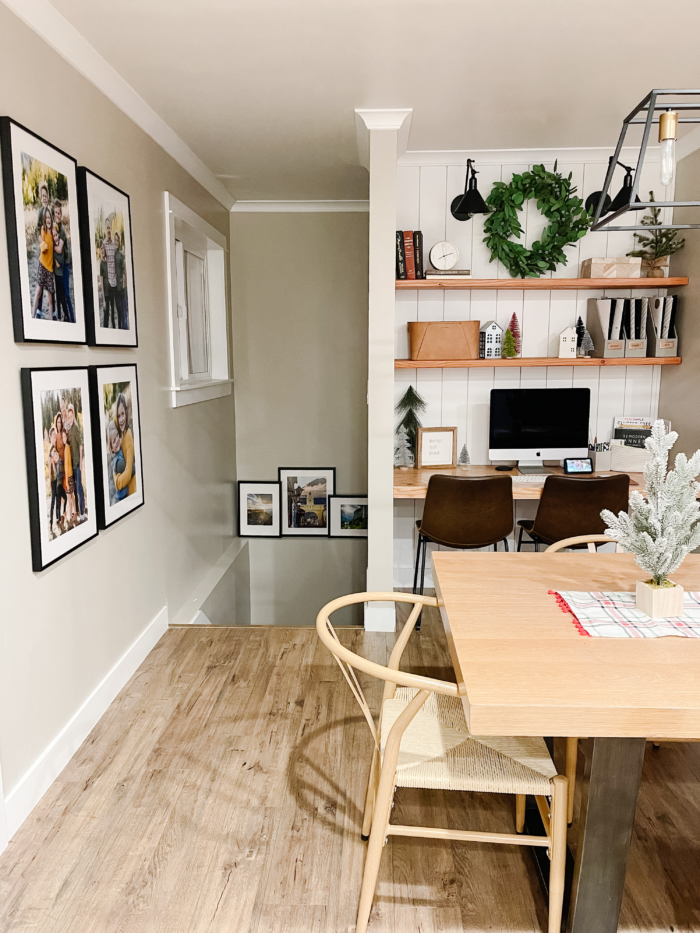
Want to personalize your apartment and make it truly feel like home? Decorating with artwork, mirrors, and other wall hangings is a fantastic way to add personality and style. However, before you start hammering nails into the walls, it’s essential to understand the rules and limitations that come with renting.
This article will guide you through the process of hanging decor in your apartment safely and responsibly. We’ll cover everything from understanding your lease agreement to choosing the right hanging hardware and getting landlord approval when necessary. By following these tips, you can transform your rental space into a beautiful and personalized haven.
Apartment Decorating Rules
Every apartment building has its own set of rules regarding wall modifications. These rules are typically outlined in your lease agreement, so it’s crucial to read it carefully before making any changes. Some common restrictions include:
- Nail Holes: Many leases prohibit using nails or screws that leave permanent holes in the walls. This is because these types of damage can be difficult and expensive to repair.
- Heavy Items: Leases often limit the weight of items you can hang on the walls. This is to prevent damage to the drywall and plaster.
- Specific Wall Types: Some apartments have unique wall constructions that may not be suitable for hanging heavy objects or using certain types of fasteners.
Always check your lease agreement for specific guidelines regarding wall modifications and consult with your landlord if you have any questions about what’s permissible.
Hanging Decor in Apartments
Even with restrictions, there are plenty of ways to hang decor in your apartment without causing damage.
- Lightweight Items: For lightweight items like pictures, mirrors, or small shelves, adhesive hooks or strips are a great option. These come in various sizes and weight capacities and can be easily removed without leaving any residue.
- Command Strips: Command strips are a popular choice for hanging lightweight decor because they are strong, removable, and leave no damage behind. They come in different sizes and weight limits to suit your needs.
Adhesive Hooks vs. Wall Anchors
Adhesive hooks and wall anchors are two common methods for hanging items in apartments.
Adhesive Hooks: These are ideal for lightweight items like pictures, mirrors, or small shelves. They work by using a strong adhesive to bond to the wall surface. Be sure to choose hooks that are rated for the weight of the item you plan to hang and follow the manufacturer’s instructions carefully for application.
Wall Anchors: Wall anchors are used for heavier items that require more support than adhesive hooks can provide. They involve drilling a small hole into the wall and inserting an anchor, which expands behind the drywall to create a secure hold. When using wall anchors, it’s important to choose the right size and type for your wall material and the weight of the item you’re hanging.
Landlord Approval for Wall Modifications
If you plan on hanging heavier items or making any significant modifications to the walls, it’s essential to obtain your landlord’s approval first. This is usually outlined in your lease agreement.
To request permission, submit a written request outlining your plans, including the type of hardware you intend to use and the location of the proposed hangings. Be prepared to provide photos or sketches of your ideas. Your landlord may have specific requirements or preferences, so it’s important to communicate openly and respectfully throughout the process.
Choosing the Right Hanging Hardware
Selecting the appropriate hanging hardware is crucial for both safety and aesthetics.
- Consider the Weight: The weight of the item you’re hanging will determine the type of hardware needed. Lightweight items can be hung with adhesive hooks or small nails, while heavier items require stronger anchors and screws.
- Wall Material: Different wall materials require different types of fasteners. For example, drywall requires different anchors than plaster walls.
- Aesthetic Considerations: The type of hanging hardware you choose should complement the style of your decor and the overall aesthetic of your apartment.
Conclusion
Hanging decor in an apartment can be a fun and rewarding way to personalize your space. By understanding the rules and limitations, choosing the right hanging hardware, and obtaining necessary approvals, you can create a beautiful and stylish home without compromising your security deposit. Remember to always prioritize safety and respect your landlord’s property guidelines.