
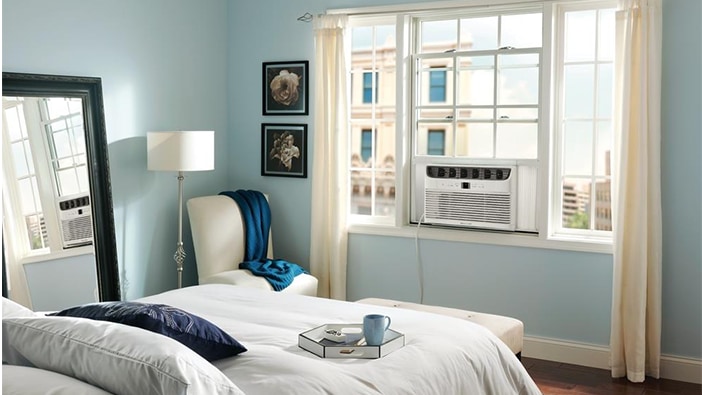
Staying cool during hot summer months is essential for comfort and well-being. Window air conditioners have long been a popular choice for individuals seeking to beat the heat in their homes. These units offer an effective and relatively affordable way to cool individual rooms, providing relief from sweltering temperatures. This article will delve into the workings of window air conditioners, exploring their function, cooling mechanism, benefits, installation considerations, and energy efficiency aspects.
This comprehensive guide aims to provide you with a thorough understanding of how window ACs work and how to make the most of them in your home. From the basic principles behind their operation to practical tips for maximizing their performance and minimizing energy consumption, we’ll cover all the essential information you need to know.
Window Air Conditioner Function
Window air conditioners are designed to cool individual rooms by expelling hot air outside through a window unit. This placement allows the AC to efficiently draw in cool air from inside and release warm air outdoors, creating a comfortable indoor environment. Essentially, they act as a heat pump, transferring heat from the interior of your home to the exterior.
The process begins with the intake of warm air from the room through an internal fan. This air is then passed over cold refrigerant coils, which absorb the heat and cool the air down. The cooled air is then blown back into the room via another fan, while the now-warmed refrigerant travels outside to release the absorbed heat.
Cooling Mechanism

The cooling mechanism of a window AC relies on the principles of thermodynamics and the use of refrigerants. Refrigerants are special fluids that can easily change between liquid and gaseous states, absorbing and releasing heat during this process.
Here’s a simplified breakdown of how it works:
- Evaporation: The refrigerant in its liquid state absorbs heat from the warm indoor air as it flows through the evaporator coils inside the AC unit. This causes the refrigerant to evaporate into a gas.
- Compression: The gaseous refrigerant is then compressed by a compressor, increasing its temperature and pressure.
- Condensation: The hot, high-pressure refrigerant travels through condenser coils located outside the unit. Here, it releases the absorbed heat to the outdoor air, causing the refrigerant to condense back into a liquid state.
- Expansion: The now-cooled liquid refrigerant passes through an expansion valve, reducing its pressure and temperature before returning to the evaporator coils to start the cycle again.
Benefits of Window ACs
Window air conditioners offer several advantages that make them a popular choice for cooling individual rooms:
- Affordability: Compared to central air conditioning systems, window AC units are generally more affordable to purchase and install.
- Energy Efficiency: Modern window ACs come with improved energy-efficiency ratings, helping you save on electricity costs. Look for models with the Energy Star label for optimal performance.
- Targeted Cooling: Window ACs cool specific rooms, allowing you to focus your cooling efforts where they are most needed. This can be particularly beneficial if you only need to cool certain areas of your home during hot weather.
- Easy Installation: Most window AC units are relatively easy to install yourself, typically involving mounting the unit in a window opening and connecting it to a power source.
Installation and Placement
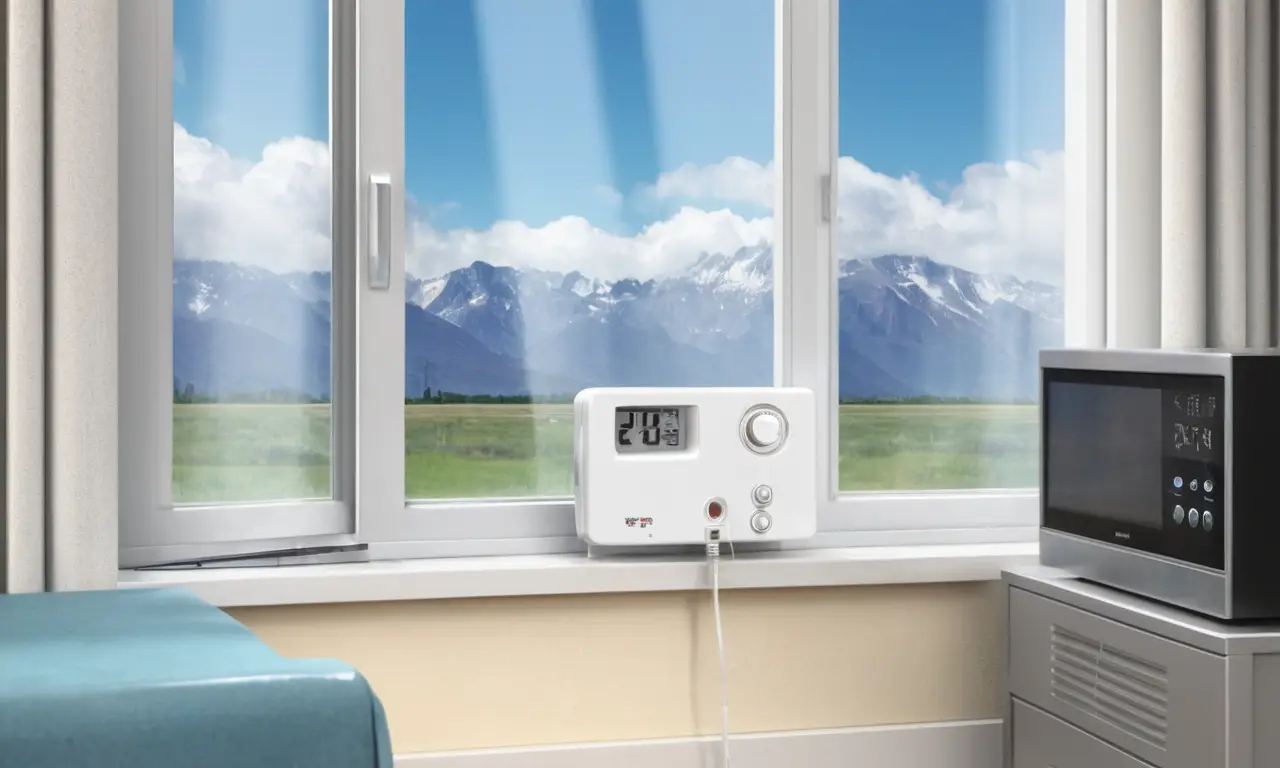
Proper installation is crucial for ensuring optimal performance and energy efficiency from your window AC.
Choosing the Right Window: Select a window that is large enough to accommodate the AC unit and allows for adequate airflow. Avoid installing the unit in a window that receives direct sunlight, as this can reduce its cooling efficiency.
Securing the Unit: Ensure the AC unit is securely mounted in the window frame using the provided brackets or hardware. This will prevent it from vibrating or falling out during operation.
Connecting to Power: Connect the AC unit to a dedicated electrical circuit with sufficient amperage to handle its power requirements. Follow all local electrical codes and safety guidelines when making the connection.
Energy Efficiency Considerations
To maximize energy efficiency and minimize your electricity bills, consider these tips:
- Set the Thermostat Wisely: Set the thermostat to a comfortable temperature, but avoid setting it too low. Every degree cooler can increase your energy consumption significantly.
- Use Fans to Circulate Air: Ceiling fans or portable fans can help circulate cool air throughout the room, reducing the workload on the AC unit.
- Seal Air Leaks: Check for any gaps or cracks around windows and doors that could allow cool air to escape. Seal these leaks with weatherstripping or caulk to improve insulation.
- Maintain Your AC Unit: Regularly clean or replace air filters to ensure proper airflow and prevent dust buildup, which can hinder cooling efficiency. Schedule professional maintenance checks annually to identify and address any potential issues.
Conclusion
Window air conditioners offer a reliable and cost-effective solution for cooling individual rooms in your home. Understanding their function, cooling mechanism, benefits, installation requirements, and energy efficiency considerations will enable you to make informed decisions about choosing and using these units effectively. By following the tips outlined in this article, you can enjoy a cool and comfortable indoor environment while minimizing your energy consumption and costs.

