
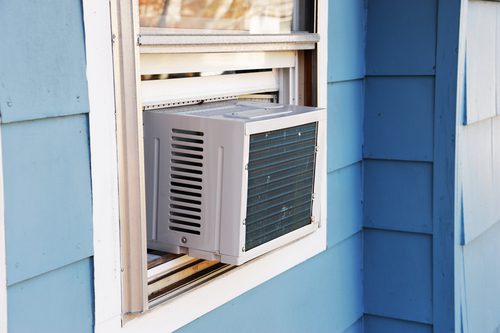
Is it safe to run your window air conditioner (AC) during a downpour? While modern window AC units are often designed with some level of water resistance, operating them directly in heavy rain isn’t generally recommended. Water exposure can potentially damage the unit’s electrical components or even create a safety hazard. This article will delve into the potential risks associated with running your window ac during rain, explore the concept of water resistance in AC units, and provide essential safety precautions to keep you and your appliance safe.
This comprehensive guide will cover the following: window AC safety, the impact of rain on AC units, understanding water resistance levels, potential electrical hazards, and crucial safety measures to take when operating your AC during inclement weather.
Window AC Safety
Window air conditioners are designed to cool indoor spaces efficiently, but they also require careful handling to ensure both user safety and appliance longevity. Operating a window AC unit improperly can lead to malfunctions, damage, or even pose a risk of electrical shock. It’s crucial to follow the manufacturer’s instructions and adhere to safety guidelines outlined in your user manual.
Regular maintenance is essential for maintaining the safe and efficient operation of your window AC unit. This includes cleaning the air filter regularly, inspecting the unit for any signs of damage or wear, and ensuring proper ventilation around the unit. Neglecting maintenance can lead to overheating, reduced cooling efficiency, and potential safety hazards.
Rain and AC Units
Rainwater can pose a significant threat to your window AC unit’s performance and longevity. Direct exposure to heavy rainfall can cause water to seep into the unit through vents, gaps, or cracks, potentially damaging internal components like the motor, electrical wiring, and control board. Water damage can lead to malfunctions, reduced cooling capacity, and costly repairs.
Furthermore, rainwater can accumulate on the exterior of the AC unit, creating a breeding ground for mold and mildew. This not only affects the aesthetics of your unit but also poses health risks due to potential allergens and respiratory irritants released by mold growth.
Water Resistance
While some window AC units are designed with a degree of water resistance, it’s important to understand that this doesn’t mean they are waterproof. Water resistance ratings typically indicate the level of protection against splashing or light rain, but prolonged exposure to heavy rainfall can still cause damage.
Always refer to your unit’s specifications and user manual for information about its specific water resistance rating. Avoid operating your AC unit during thunderstorms or periods of heavy rainfall if it lacks adequate water resistance features.
Electrical Hazards
Operating an can i run my window ac in the rain or any electrical appliance during a rainstorm can create a serious risk of electrical shock. Water conducts electricity, and if rainwater comes into contact with exposed electrical components of your AC unit or the power source, it can lead to a potentially fatal shock.
It’s crucial to ensure that all electrical connections are properly insulated and sealed to prevent water intrusion. Avoid operating your AC unit near standing water or in areas where there is a risk of flooding.
Safety Precautions
To minimize the risks associated with running your window ac during rain, follow these essential safety precautions:
- Avoid Operating During Heavy Rain: Refrain from using your window AC unit during thunderstorms, periods of heavy rainfall, or when there is a risk of lightning strikes.
- Check Water Resistance Rating: Consult your user manual to determine the water resistance rating of your specific AC unit. Avoid operating it in conditions exceeding its rated resistance.
- Ensure Proper Ventilation: Maintain adequate ventilation around your AC unit to prevent moisture buildup and condensation. This helps reduce the risk of water damage and mold growth.
- Inspect for Damage: Regularly inspect your AC unit for any signs of damage, such as cracks, gaps, or loose connections that could allow water intrusion. Repair any damage promptly.
- Disconnect During Storms: If a thunderstorm approaches, disconnect your AC unit from the power source to prevent electrical hazards.
Conclusion
While modern window AC units offer some level of water resistance, it’s crucial to prioritize safety and avoid operating them directly in heavy rainfall. Water exposure can lead to damage, malfunctions, and even create electrical hazards. By following the safety precautions outlined in this article, you can protect your AC unit and ensure a safe and comfortable indoor environment. Remember, when in doubt, err on the side of caution and disconnect your AC unit during inclement weather.