

Going to jail is a life-altering experience, and one of the first things you’ll face is having to part with most of your personal belongings. While it can be unsettling to think about what happens to your stuff when you go to jail, understanding the process can help ease some anxiety. This article will delve into the rules surrounding inmate possessions, outlining what’s allowed, how items are stored, and the role family members play in managing these effects.
This comprehensive guide will cover the various aspects of personal belongings during incarceration, from permissible items to storage options and the eventual retrieval process upon release. By understanding these procedures, you can better prepare for this challenging transition.
Inmate Belongings Allowed
Each correctional facility has its own set of regulations regarding what inmates are allowed to possess. Generally, these rules aim to maintain security and prevent contraband from entering the facility. While specific allowances vary depending on jurisdiction and security level, some common permitted items include:
- Clothing: A limited number of basic clothing items are typically allowed, such as underwear, socks, shirts, pants, and a jacket. These items are often subject to inspection for any hidden materials or modifications.
- Toiletries: Essential toiletries like soap, shampoo, toothpaste, and toothbrushes are usually permitted. However, quantities may be restricted, and certain products containing alcohol or other potentially harmful ingredients might be prohibited.
- Books: Reading material can provide a valuable source of entertainment and intellectual stimulation during incarceration. Most facilities allow inmates to possess books, but there are often restrictions on genre, content, and the number of books allowed.
Contraband Items
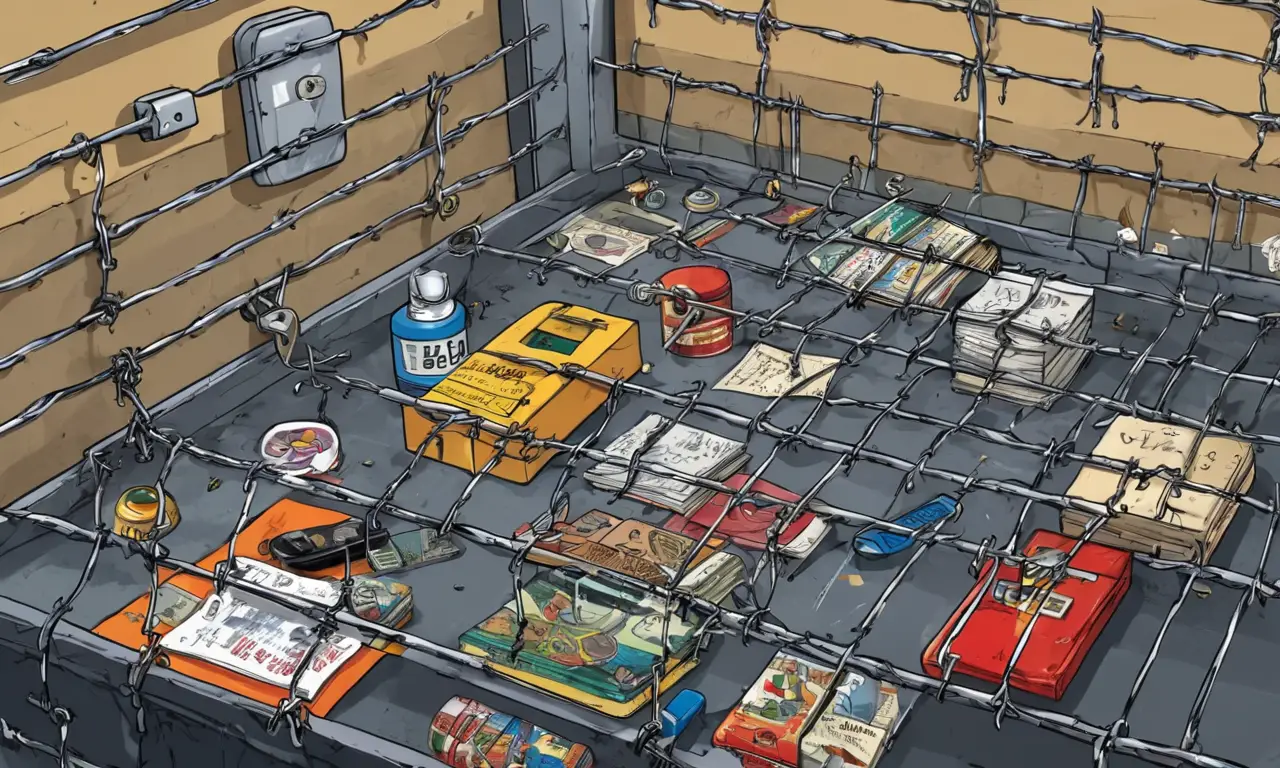
To ensure safety and security within correctional facilities, certain items are strictly prohibited as contraband. These items pose a potential threat to inmates, staff, or the overall operation of the facility. Examples of common contraband include:
- Weapons: Any object that can be used as a weapon, including knives, firearms, sharpened tools, and even improvised weapons made from everyday items.
- Drugs and Alcohol: Possession of illegal substances, including prescription medications not authorized by medical staff, is strictly prohibited.
- Electronics: Most correctional facilities restrict the possession of electronic devices such as cell phones, laptops, tablets, and MP3 players. These devices can be used for communication outside the facility, potentially compromising security or facilitating criminal activity.
Storage Options for Personal Effects
When an individual enters a correctional facility, their personal belongings are typically held in secure storage until they are released. This storage system aims to protect inmate possessions from damage, theft, and unauthorized access.
- Individual Lockers: Many facilities provide inmates with individual lockers where they can store a limited number of permitted items. These lockers are often secured with locks provided by the facility or purchased by the inmate.
- Centralized Storage Rooms: For larger items that cannot be stored in lockers, correctional facilities may have centralized storage rooms where belongings are kept under supervision.
Family Involvement

Family members can play a role in managing an inmate’s personal effects during incarceration. Depending on the facility’s policies, families may be able to:
- Arrange for Temporary Storage: If an inmate has items that they do not need immediately, family members can sometimes arrange for temporary storage of these belongings outside the facility.
- Dispose of Non-Essential Items: In some cases, families can choose to dispose of non-essential items belonging to the inmate, such as clothing or personal effects that are unlikely to be needed upon release.
Retrieval Upon Release
Upon an inmate’s release from correctional custody, they have the opportunity to retrieve their belongings from the facility’s designated storage areas.
- Inventory Check: Inmates typically receive an inventory list of their stored possessions and must verify its accuracy before retrieving their items.
- Collection Process: The retrieval process may involve signing paperwork, presenting identification, and collecting belongings from designated areas within the facility.
Conclusion
Navigating the rules surrounding personal belongings during incarceration can be complex. Understanding what is allowed, how items are stored, and the role of family members in managing these effects can help ease the transition for both inmates and their loved ones. By adhering to facility regulations and communicating effectively with staff, individuals can ensure that their possessions are handled appropriately throughout their time in custody.