
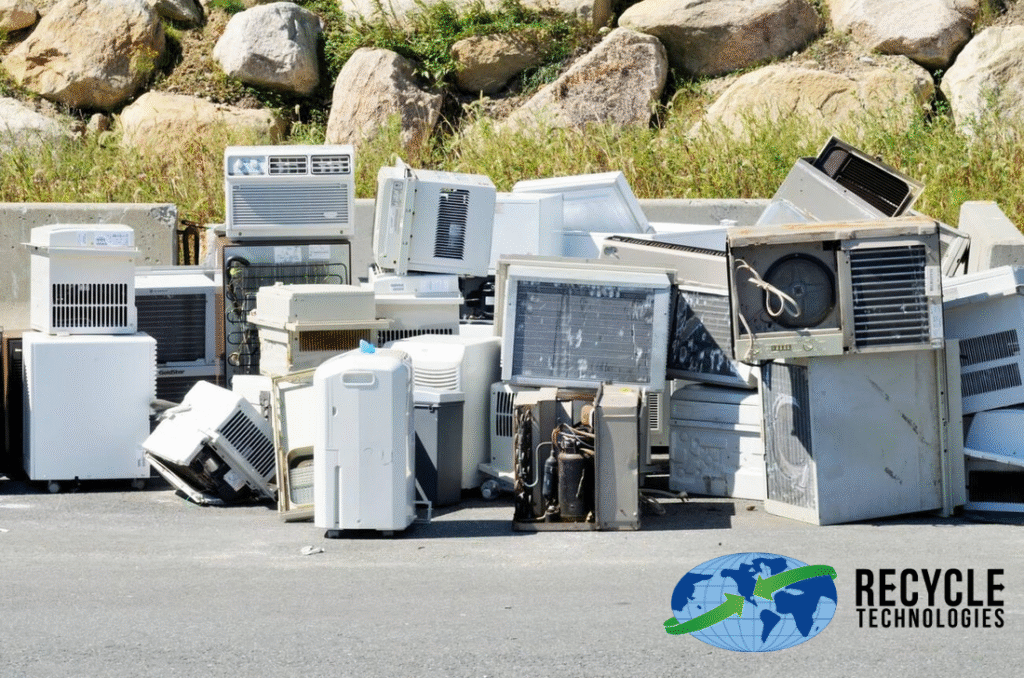
Getting rid of an old air conditioner can seem like a hassle, but it’s crucial to do so responsibly. Simply tossing your AC unit in the trash isn’t an option due to the hazardous materials it contains. Improper disposal can harm the environment and pose risks to human health. This article will guide you through the proper steps for recycling your old air conditioner, ensuring both safety and environmental protection.
This article will explore the reasons behind responsible AC disposal, delve into the hazardous materials present in these units, and provide information on various recycling centers, programs, and retailer take-back initiatives. We’ll also emphasize the importance of refrigerant removal and offer guidance on how to dispose of your old air conditioner effectively.
Responsible AC Disposal
Responsible disposal of an old air conditioner is essential for several reasons. Firstly, air conditioners contain refrigerants, which are potent greenhouse gases that contribute to climate change if released into the atmosphere. Secondly, other components like capacitors and circuit boards contain hazardous materials that can leach into the environment and contaminate soil and water sources. Finally, improper disposal can create fire hazards and pose risks to waste management workers handling these units.
By choosing responsible disposal methods, you minimize your environmental impact and contribute to a healthier planet. Remember, even if your old AC unit seems outdated or non-functional, it still holds valuable materials that can be recycled and reused.
Hazardous Materials in Air Conditioners

Air conditioners contain various hazardous materials that require careful handling during disposal. Refrigerants, such as Freon, are the most significant concern. These gases trap heat in the atmosphere, contributing to global warming. Improperly discarded refrigerants can leak into the environment, causing ozone depletion and harming wildlife.
In addition to refrigerants, air conditioners contain other hazardous components like capacitors, which store electrical energy and can explode if mishandled. Circuit boards contain heavy metals like lead and mercury that can contaminate soil and water sources. Proper disposal ensures these materials are handled safely and prevented from entering the environment.
Recycling Centers and Programs
Many communities offer recycling centers or programs specifically designed for appliances like air conditioners. These facilities have the expertise and equipment to safely dismantle units, recover valuable materials, and dispose of hazardous components responsibly.
To find local recycling centers, check your city’s website, contact your waste management provider, or search online directories. Some organizations, such as Earth911, provide comprehensive databases of recycling facilities across the country.
Appliance Take-Back Programs

Several retailers offer take-back programs for old appliances, including air conditioners. These programs allow you to return your old unit to the store where you purchased a new one, often at no cost.
Participating retailers may recycle the units themselves or partner with specialized recycling companies. Check with your local appliance stores to inquire about their take-back programs and eligibility requirements.
Refrigerant Removal
Refrigerant removal is a crucial step in responsible AC disposal. Refrigerants are potent greenhouse gases that contribute to climate change if released into the atmosphere. Specialized technicians must remove refrigerants from air conditioners using certified equipment and procedures.
Attempting to remove refrigerant yourself can be dangerous and illegal. Contact a licensed HVAC technician or a recycling center specializing in refrigerant recovery to ensure proper removal and disposal.
Conclusion
Disposing of an old air conditioner responsibly is essential for protecting the environment and human health. By understanding the hazards involved, utilizing available recycling programs, and ensuring proper refrigerant removal, you can contribute to a more sustainable future. Remember, responsible disposal isn’t just about getting rid of your old AC unit; it’s about making a conscious choice to minimize your environmental impact and preserve our planet for generations to come.

