
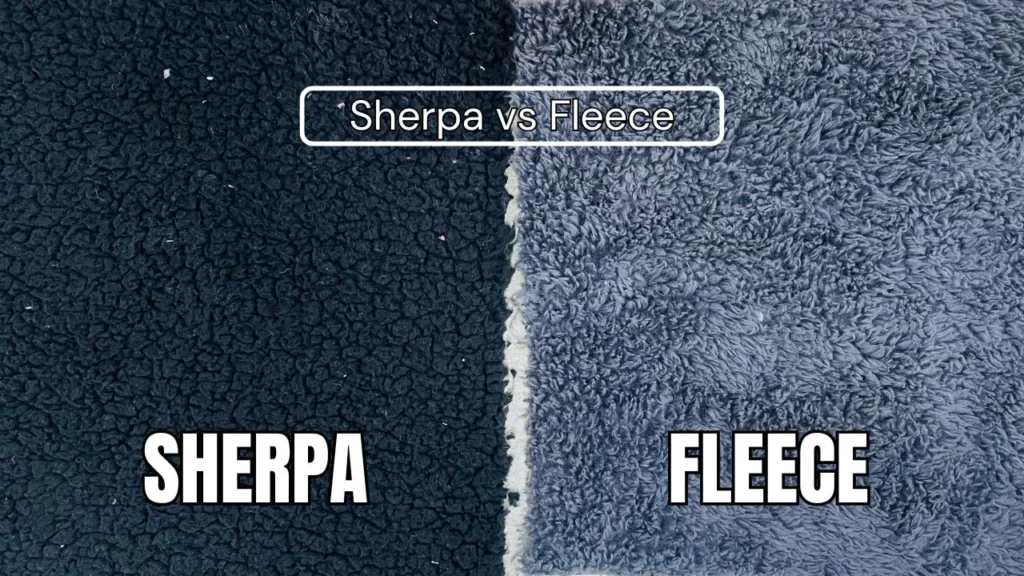
Staying warm and cozy during colder months is essential, and choosing the right fabric can make all the difference. Two popular options often come to mind: sherpa and fleece. Both offer a soft, plush feel that’s perfect for snuggling up on chilly days. However, when it comes to actual warmth, there are some key differences to consider. This article will delve into the characteristics of both sherpa and fleece, comparing their insulation properties and helping you determine which fabric is best suited for your needs.
This comprehensive guide will explore the unique qualities of each material, examining factors like construction, warmth retention, and care instructions. By understanding these distinctions, you’ll be well-equipped to make an informed decision about which is warmer sherpa or fleece when seeking ultimate cozy comfort.
Sherpa vs Fleece: A Warmth Comparison
Both sherpa and fleece are synthetic fabrics designed to mimic the softness and warmth of natural fibers like wool. They share a similar plush texture, making them ideal for blankets, jackets, and other garments worn in colder weather. However, their construction and resulting warmth levels differ significantly.
Sherpa generally excels in providing superior insulation due to its dense, long pile that effectively traps heat. Fleece, while lighter and often quicker-drying, may not offer the same level of warmth as sherpa, particularly in extremely cold conditions. Ultimately, the best choice depends on your individual needs and activity level.
What is Sherpa?

Sherpa is a type of synthetic fleece fabric known for its exceptionally soft and plush texture. It’s created by looping polyester fibers together to form a dense, high pile that resembles the fur of a Himalayan sheepdog (hence the name). This unique construction allows sherpa to trap heat effectively, making it an excellent choice for cold-weather apparel and bedding.
Characteristics of Sherpa
- Softness: Sherpa is renowned for its incredibly soft and cozy feel, often described as plush and luxurious.
- Warmth: The dense pile traps heat efficiently, providing superior insulation compared to other fleece types.
- Durability: While soft, sherpa is surprisingly durable and can withstand repeated washing and wear.
What is Fleece?
Fleece is a synthetic fabric made from polyester fibers that are crimped or textured to create a soft, fuzzy surface. It’s lightweight, breathable, and quick-drying, making it popular for activewear and casual clothing.
Types of Fleece
- Microfleece: A thin and lightweight fleece often used in base layers and athletic wear.
- Midweight Fleece: A thicker fleece suitable for jackets, hoodies, and sweaters.
- Heavyweight Fleece: The densest type of fleece, providing maximum warmth and often used in winter coats and blankets.
Sherpa vs Fleece: Insulation and Warmth

When it comes to insulation and warmth, sherpa generally outperforms fleece.
Sherpa’s dense, long pile effectively traps heat, creating a warm barrier against the cold. This makes it ideal for colder climates and activities where maximum warmth is essential. Fleece, while still providing some insulation, tends to be lighter and less effective at trapping heat compared to sherpa.
Choosing the Right Fabric for You
The best choice between sherpa and fleece ultimately depends on your individual needs and preferences.
Consider these factors:
- Climate: If you live in a cold climate or engage in outdoor activities in freezing temperatures, sherpa’s superior insulation will be more beneficial.
- Activity Level: For active pursuits where breathability is important, fleece may be a better choice as it allows for greater airflow and moisture wicking.
- Desired Warmth: If you prioritize maximum warmth and coziness, sherpa is the clear winner. However, if you prefer a lighter and more versatile option, fleece can still provide adequate warmth for milder conditions.
Conclusion
Both sherpa and fleece offer cozy comfort and warmth, but their distinct characteristics cater to different needs. Sherpa’s dense pile excels in insulation, making it ideal for colder climates and maximum warmth. Fleece, while lighter and quicker-drying, may not provide the same level of insulation as sherpa. By considering your individual requirements and preferences, you can choose the perfect fabric to keep you warm and comfortable throughout the colder months.