
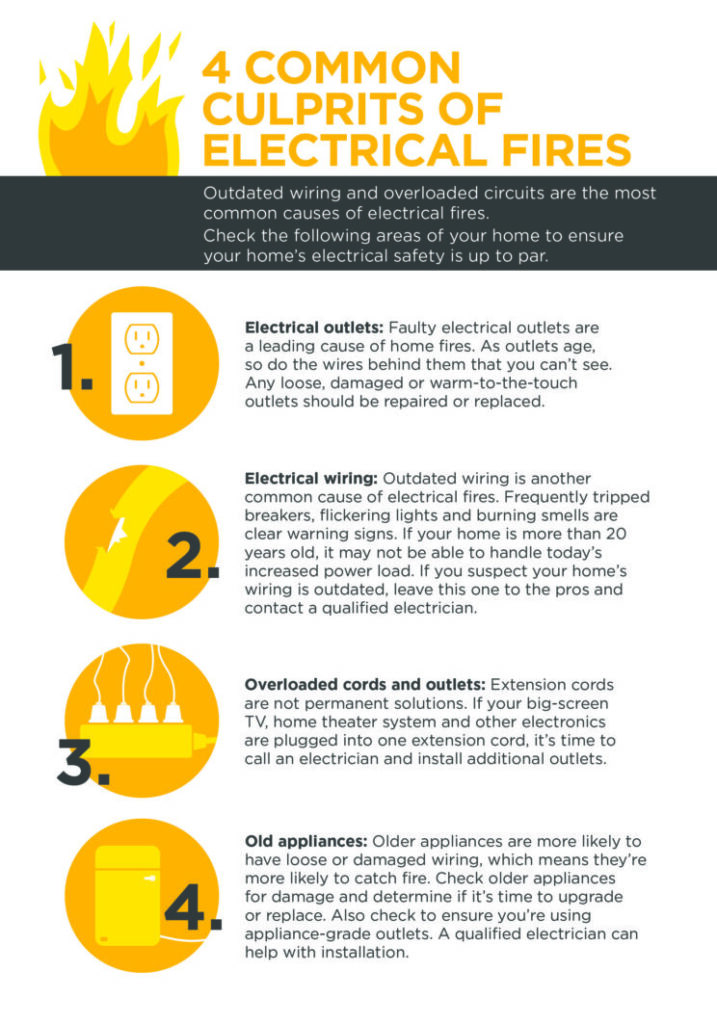
Flickering lights are often dismissed as a minor annoyance, but they can actually be a serious warning sign of underlying electrical problems. While sometimes caused by simple issues like loose connections, flickering lights can also indicate more dangerous situations involving faulty wiring, overloaded circuits, or damaged light fixtures. These problems can create hazardous conditions that increase the risk of electrical fires.
This article will delve into the potential dangers associated with flickering lights and explore the common causes behind this phenomenon. We’ll examine how to identify faulty wiring, overloaded circuits, and other issues that could lead to a fire hazard. By understanding these risks and taking appropriate action, you can protect your home and loved ones from the devastating consequences of electrical fires.
Flickering Lights as Warning Signs
Flickering lights are not just an aesthetic nuisance; they serve as a crucial warning signal that something is amiss within your electrical system. The erratic illumination indicates an interruption in the flow of electricity, which could stem from various factors. Ignoring flickering lights can be dangerous, as it allows these underlying issues to worsen and potentially escalate into a fire hazard.
The intensity and frequency of flickering can provide valuable clues about the severity of the problem. A faint flicker might suggest a loose connection or a minor issue with the light bulb itself. However, persistent, rapid flickering often points to more serious electrical problems that require immediate attention from a qualified electrician.
Electrical Fire Hazards
Electrical fires are among the most dangerous types of house fires, posing significant threats to life and property. They can spread rapidly due to the highly flammable nature of electrical wiring and insulation. The intense heat generated by an electrical fire can quickly engulf surrounding materials, making it difficult for occupants to escape safely.
The consequences of an electrical fire can be devastating, resulting in severe injuries, fatalities, and extensive property damage. In addition to the immediate dangers, electrical fires can also lead to long-term health problems due to smoke inhalation and exposure to toxic chemicals released during combustion.
Causes of Flickering Lights
Several factors can contribute to flickering lights, ranging from simple issues like loose connections to more complex problems involving faulty wiring or overloaded circuits. Understanding these causes is crucial for identifying the root of the problem and taking appropriate action to prevent a fire hazard.
Loose Connections
One common cause of flickering lights is loose connections within electrical fixtures, switches, or outlets. Over time, vibrations or movement can loosen wires, disrupting the flow of electricity and causing intermittent illumination.
Faulty Light Bulbs
While less common, faulty light bulbs can also contribute to flickering. Incandescent bulbs may flicker due to worn-out filaments, while fluorescent bulbs can flicker if they are nearing the end of their lifespan or experiencing a malfunction in the ballast.
Overloaded Circuits
Electrical circuits have a limited capacity to handle electrical load. When too many devices are plugged into a single circuit, it becomes overloaded, causing voltage fluctuations that result in flickering lights.
Identifying Faulty Wiring
Faulty wiring is a serious fire hazard and should be addressed immediately by a qualified electrician. Signs of faulty wiring include:
Visible Damage
Look for exposed wires, frayed insulation, or signs of burning on electrical cords, outlets, or junction boxes. These are clear indicators that the wiring needs to be replaced.
Discoloration
Discolored walls, ceilings, or light fixtures near electrical components can indicate overheating and potential wiring problems.
Frequent Tripping Breakers
If your circuit breakers frequently trip when using certain appliances or lights, it could signal an overloaded circuit or faulty wiring.
Overloaded Circuits and Damage
Overloading circuits occurs when too many devices are drawing power from a single circuit, exceeding its capacity. This can lead to several problems, including:
Voltage Fluctuations
Overloaded circuits cause voltage fluctuations that result in flickering lights, dimming, or even complete power outages.
Heat Generation
Excessive current flow through overloaded wires generates significant heat, which can melt insulation and create a fire hazard.
Circuit Failure
Continued overloading can eventually damage the circuit breaker, leading to its failure and potentially causing a fire.
Conclusion
Flickering lights should never be ignored as they often signal underlying electrical problems that could lead to fires. By understanding the potential causes of flickering lights, such as faulty wiring, overloaded circuits, and damaged light fixtures, you can take proactive steps to address these issues and ensure the safety of your home. If you experience persistent flickering lights, it is crucial to contact a qualified electrician for a thorough inspection and repair. Remember, addressing electrical problems promptly can prevent potentially devastating fires and protect your loved ones.