
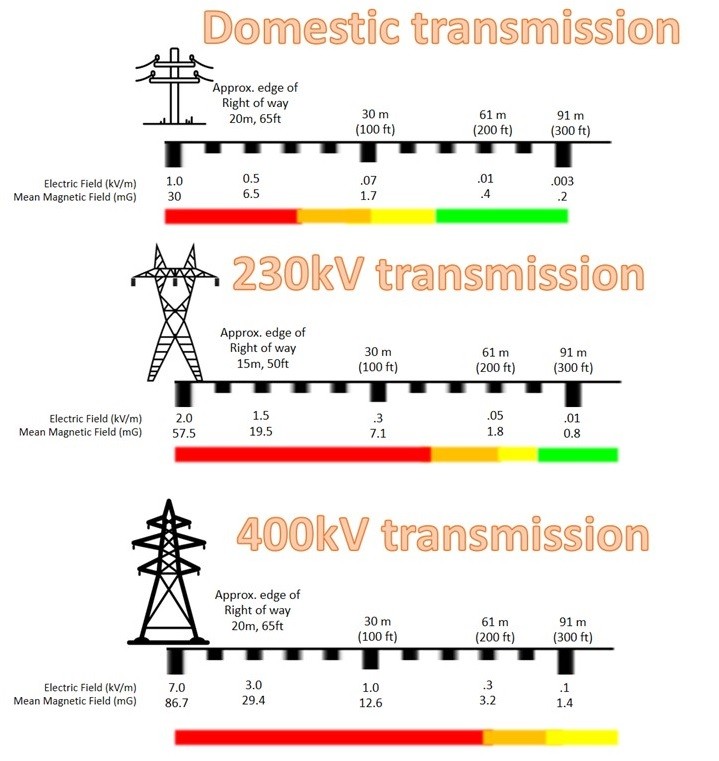
Living near high voltage power lines can be a concern for many homeowners. While these lines are essential for our modern lives, they carry significant electrical potential that poses a risk if not handled properly. Understanding the safe distance to maintain from high voltage power lines is crucial for protecting yourself and your family from potential harm. This article will delve into the safety considerations surrounding high voltage power lines and provide guidance on determining an appropriate safe distance based on various factors.
This article will explore the inherent dangers of high voltage power lines, outline general guidelines for safe distances, discuss factors that influence these distances, and emphasize the importance of consulting local regulations and utility companies for specific recommendations. By following these guidelines, you can ensure your home is situated at a safe distance from high voltage power lines, minimizing potential risks.
High Voltage Power Lines Safety
High voltage power lines transmit electricity over long distances at extremely high potentials, often ranging from thousands to hundreds of thousands of volts. This immense electrical energy poses a serious threat to human life and property if not treated with utmost caution. Direct contact with energized power lines can result in severe electric shock, potentially leading to cardiac arrest or death. Even being near a downed power line can be extremely dangerous, as the electricity may arc through the air, striking objects or individuals within its range.
It’s crucial to remember that electricity seeks the path of least resistance. This means that even if you don’t directly touch a power line, stray electrical currents can travel through the ground or nearby objects, potentially harming anyone in contact with them. Therefore, maintaining a safe distance from high voltage power lines is paramount for personal safety.
Safe Distance From Power Lines

While specific distances vary depending on factors like voltage and local regulations, experts generally recommend maintaining a significant distance, often hundreds of feet, between your home and high voltage power lines. This buffer zone helps minimize the risk of electrical shock or arc flash in case of an incident.
It’s important to note that this is a general guideline, and consulting with local authorities and utility companies is essential for obtaining precise recommendations for your area. They can provide detailed information about specific power line voltages and safety regulations applicable to your location.
Factors Affecting Safe Distance
Several factors influence the recommended safe distance from high voltage power lines. These include:
Voltage Level
Higher voltage lines require a greater safety buffer zone due to their increased electrical potential. For example, transmission lines carrying thousands of volts necessitate a much larger distance than distribution lines with lower voltages.
Line Configuration
The number and arrangement of conductors in a power line also affect the safe distance. Lines with multiple conductors spaced closer together may require a wider clearance zone compared to single-conductor lines.
Ground Conditions
The type of soil and its electrical conductivity can influence the spread of electrical currents. Areas with moist or conductive soil may necessitate a larger safety buffer zone than those with dry, less conductive ground.
Local Regulations and Guidelines
Local authorities often establish specific regulations regarding the safe distance to maintain from high voltage power lines. These ordinances are designed to protect residents and ensure public safety. It’s crucial to familiarize yourself with your local building codes and zoning regulations to determine the permissible distances for construction and landscaping near power lines.
Contacting your local planning department or building inspector can provide you with detailed information about applicable regulations in your area.
Utility Company Recommendations
Utility companies are responsible for maintaining and operating power lines, and they often provide specific recommendations regarding safe distances from their infrastructure. Consulting with your local utility company is a valuable step in determining the appropriate distance to maintain from high voltage power lines near your property.
They can offer insights into the voltage levels of the lines in your vicinity, potential hazards, and any safety guidelines or restrictions they have in place.
Conclusion
Determining the safe distance to live from high voltage power lines is essential for ensuring personal safety and well-being. While general guidelines suggest maintaining a significant distance, it’s crucial to consult local regulations, utility company recommendations, and expert advice for specific guidance tailored to your location and circumstances. By adhering to these safety measures, you can minimize the risks associated with living near high voltage power lines and create a safer environment for yourself and your family.