

Have you ever walked into a room that appeared to be filled with smoke, only to realize it was just an illusion? These captivating visual tricks can be quite convincing, leaving us wondering if the air is truly safe to breathe. This article delves into the science behind smoke illusions, exploring the various factors that contribute to this fascinating phenomenon. We’ll examine how lighting, atmospheric conditions, and even our own perception play a role in creating the illusion of smoke. By understanding these mechanisms, we can better discern reality from optical deception.
Smoke Illusion Explained
A smoke illusion is a visual trick that makes an environment appear hazy or smoky when there is no actual smoke present. This phenomenon often stems from the way light interacts with our eyes and brain, leading to misinterpretations of what we see. Our brains are constantly trying to make sense of the world around us, and sometimes they rely on past experiences and expectations to fill in gaps in information. When confronted with a scene that resembles smoke, our brains may automatically assume that there is indeed smoke present, even if this isn’t the case.
These illusions can be incredibly convincing, as they often involve subtle changes in light, color, and texture that mimic the appearance of smoke. The human eye is highly sensitive to these variations, making it easy for us to be fooled by seemingly realistic visual cues. Furthermore, our brains tend to prioritize information that aligns with our existing beliefs and expectations. If we’ve previously encountered situations where smoke was present, our brains may be more likely to interpret a similar visual scene as containing smoke, even if there is no actual danger.
Visual Phenomena and Smoke Effects
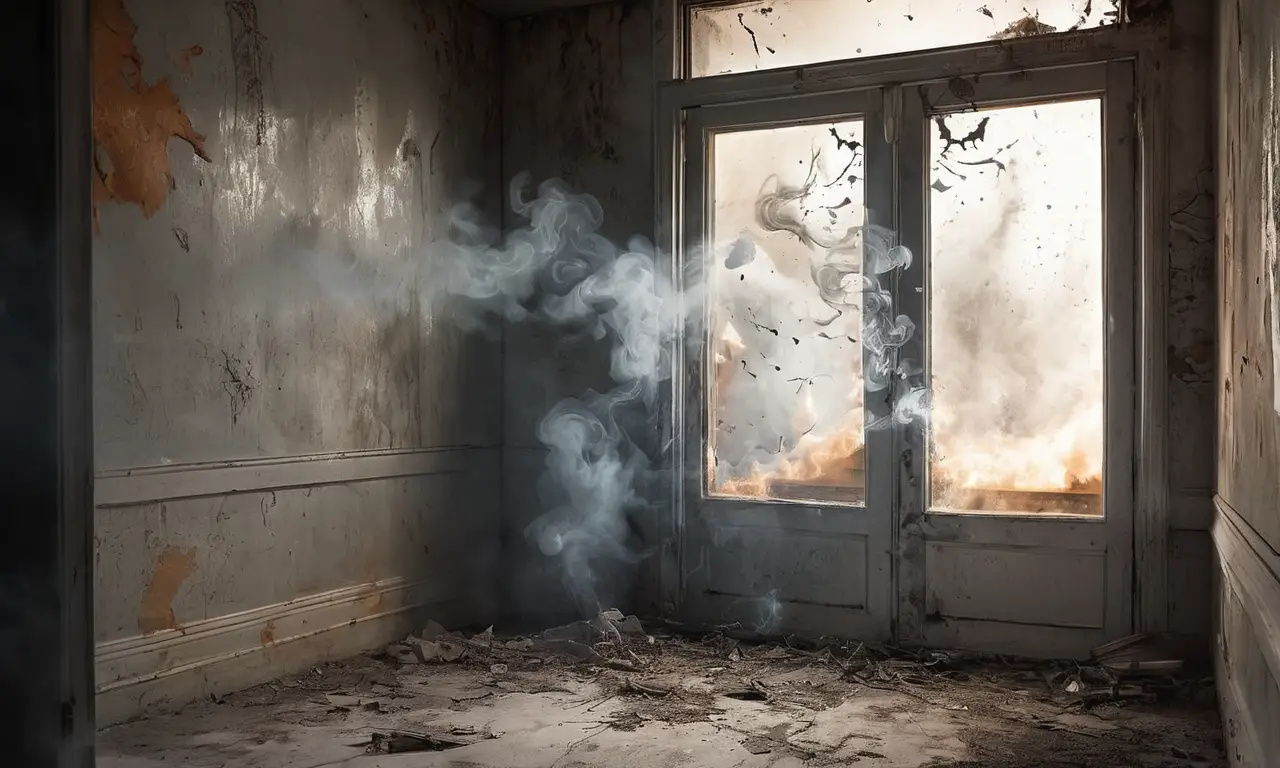
Several visual phenomena can contribute to the illusion of smoke. One such phenomenon is refraction, which occurs when light bends as it passes through different mediums. When light travels through air that contains particles or variations in temperature, it can be refracted, creating shimmering or hazy effects that resemble smoke. This effect is often observed on hot days when the sun’s rays pass through warm air near the ground.
Another visual phenomenon that can contribute to smoke illusions is diffusion. Diffusion occurs when light scatters as it passes through a medium. When light encounters particles in the air, such as dust or pollen, it can be scattered in different directions, creating a diffused or hazy effect. This scattering of light can make objects appear less distinct and more blurred, mimicking the appearance of smoke.
Lighting’s Role in Creating Illusions
Lighting plays a crucial role in shaping our perception of an environment and can significantly contribute to smoke illusions. Dim lighting conditions can enhance the illusion by obscuring details and creating a sense of mystery. When light levels are low, our eyes struggle to distinguish objects clearly, making it easier for us to perceive hazy or indistinct shapes as smoke.
Conversely, strong directional lighting can also create smoke-like effects. If a light source is positioned behind an object or in a specific direction, it can cast shadows and highlights that mimic the way smoke interacts with light. These shadows and highlights can create a sense of depth and texture, further enhancing the illusion of smoke.
Atmospheric Conditions and Smoke Appearance
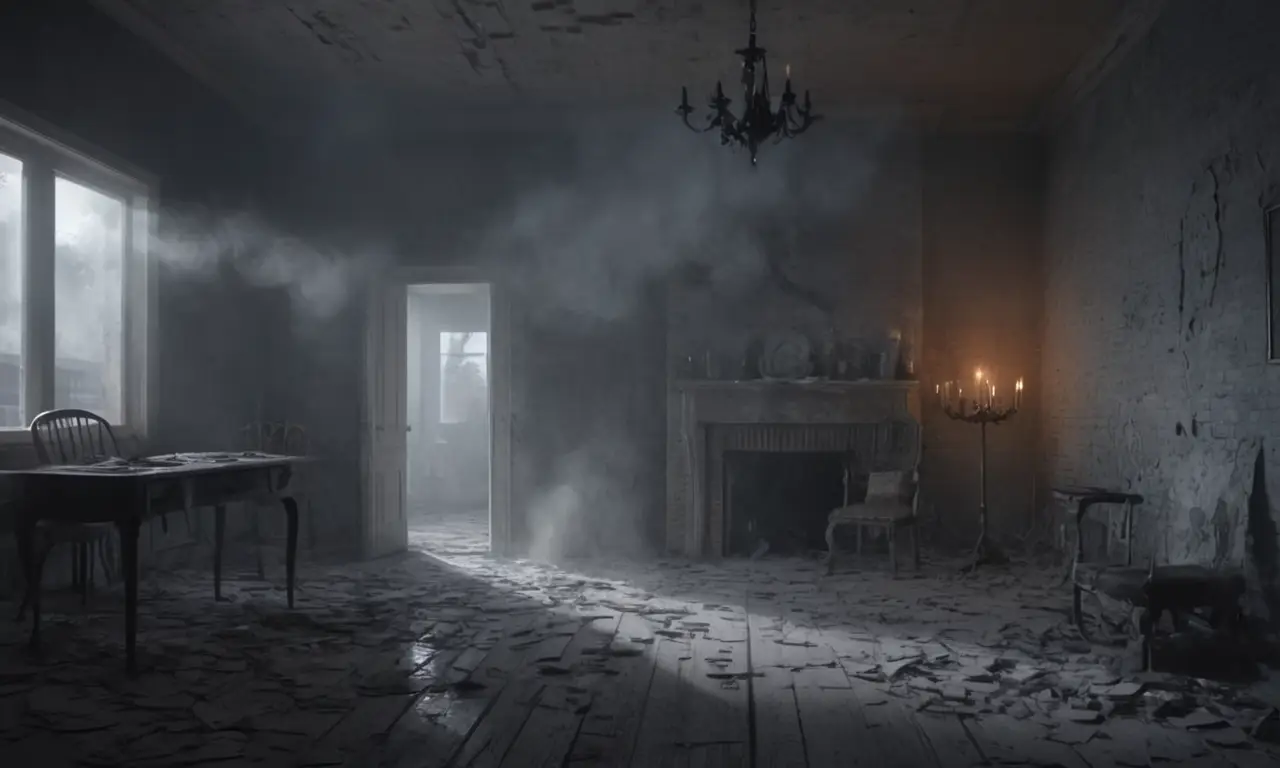
Atmospheric conditions can significantly influence how we perceive smoke illusions. Humidity plays a crucial role, as humid air tends to hold more moisture, which can scatter light and create hazy effects. On humid days, even without actual smoke, the air may appear slightly foggy or misty, making it easier for our brains to interpret visual cues as smoke.
Temperature inversions, where warmer air sits above cooler air, can also contribute to smoke illusions. These inversions trap pollutants and particles near the ground, creating a hazy layer that resembles smoke. Wind patterns can also affect the appearance of smoke by dispersing or concentrating particles in the air.
Safety Considerations
While smoke illusions can be fascinating, it’s important to prioritize safety. If you encounter a situation where you suspect there might be actual smoke, always err on the side of caution.
- Trust your instincts: If something feels off or you smell smoke, evacuate the area immediately.
- Check for visible signs: Look for flames, ash, or other indicators of fire.
- Activate alarms: If you have a smoke detector, ensure it’s working properly and activate it if necessary.
- Call emergency services: In case of a real fire, call 911 (or your local emergency number) immediately.
Conclusion
Smoke illusions are captivating visual tricks that demonstrate the power of our perception and the intricate ways in which light interacts with our environment. While these illusions can be fascinating to observe, it’s crucial to prioritize safety and distinguish between real smoke and optical deception. By understanding the factors that contribute to smoke illusions, we can better navigate our surroundings and make informed decisions when encountering potentially hazardous situations.