
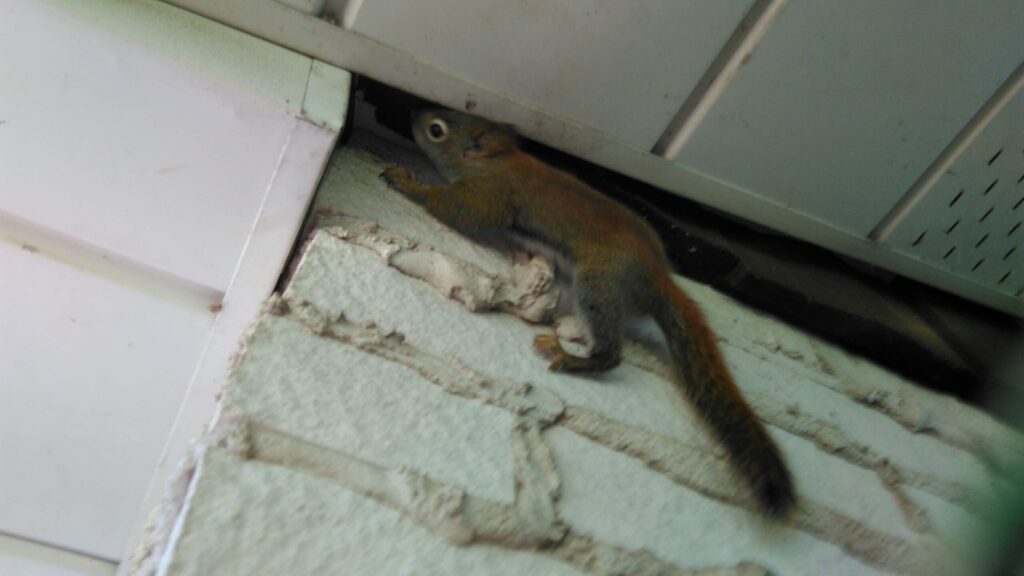
Winter’s icy grip can be daunting for many creatures, but squirrels seem to effortlessly navigate the cold months. These agile rodents possess remarkable adaptations that allow them to thrive even when temperatures plummet. Their ability to survive harsh winters is a testament to their resilience and clever strategies.
This article delves into the fascinating world of squirrel winter survival, exploring the various tactics they employ to stay warm, find food, and endure the challenges of winter. From their thick fur coats to their meticulous food storage habits, we’ll uncover the secrets behind these remarkable creatures’ ability to withstand the cold.
Squirrel Winter Survival Strategies
Squirrels have evolved a suite of strategies to ensure their survival during the winter months. While they don’t hibernate like some other animals, they significantly reduce their activity levels and conserve energy. This allows them to stretch their food reserves and weather the coldest periods.
One key strategy is finding suitable shelter from the biting wind and snow. Squirrels often seek refuge in tree cavities, abandoned birdhouses, or even dense foliage. These shelters provide insulation and protection from the elements, allowing them to stay warm and dry.
Another crucial aspect of their winter survival is their ability to find food sources. While they may not be as active during the colder months, squirrels continue to forage for nuts, seeds, and other food items that they have stored throughout autumn.
Thick Fur for Insulation
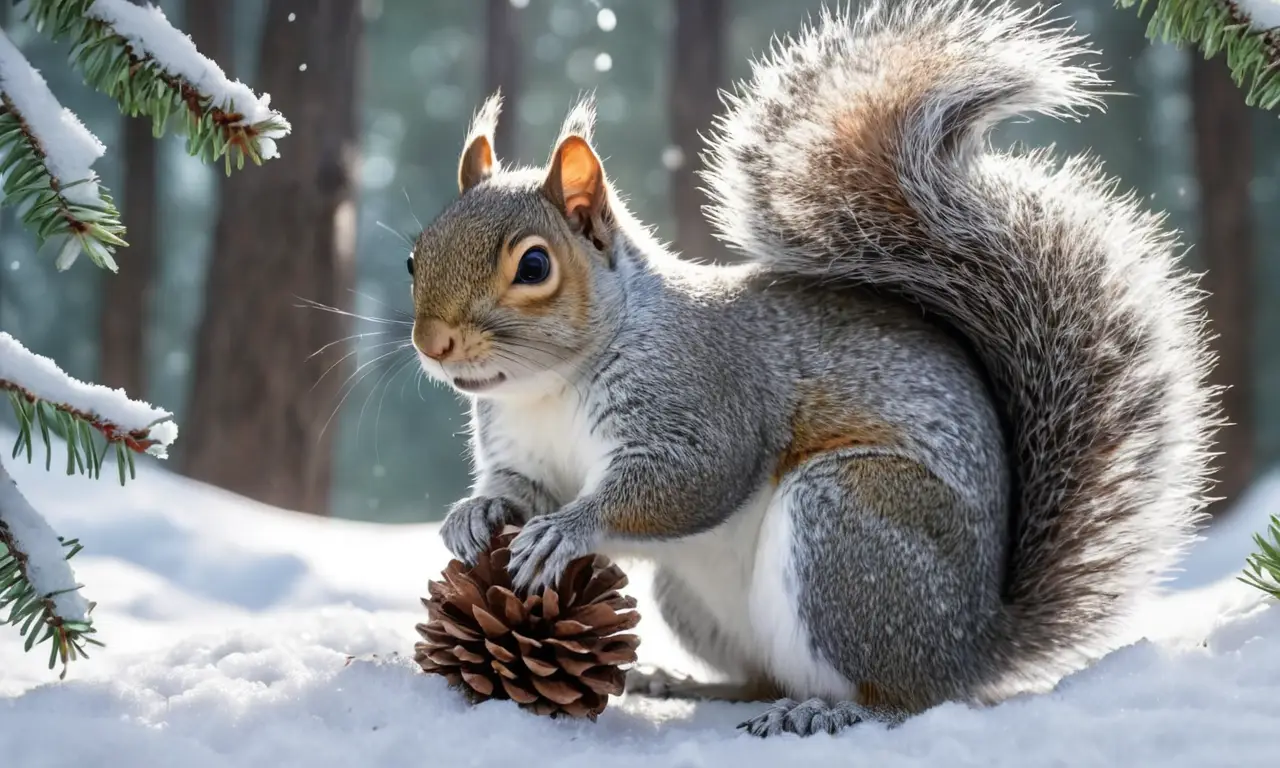
A squirrel’s thick fur coat plays a vital role in keeping them warm during winter. Their dense undercoat traps a layer of warm air close to their body, providing excellent insulation against the cold. The outer layer of guard hairs helps repel water and snow, further protecting them from the elements.
The thickness and density of a squirrel’s fur vary depending on the species and climate they inhabit. Squirrels living in colder regions tend to have thicker coats than those in warmer areas. This adaptation ensures that they are well-equipped to withstand even the most frigid temperatures.
Finding Shelter from the Cold
Squirrels are highly adept at finding shelter from the cold. They often choose sheltered locations such as tree cavities, abandoned birdhouses, or dense foliage for their winter dens. These shelters provide protection from wind, snow, and rain, allowing them to conserve energy and stay warm.
When choosing a den site, squirrels consider factors such as accessibility, security, and insulation. They prefer locations that are well-concealed from predators and offer ample space for nesting. Some species even create elaborate dreys, which are nests made of twigs, leaves, and other materials, high up in trees.
Food Storage for Winter Months

One of the most remarkable aspects of squirrel survival is their ability to store food for the winter months. Throughout autumn, they diligently gather nuts, seeds, fruits, and other edible items, burying them in caches throughout their territory. These hidden stashes provide a vital source of sustenance during the leaner winter months when food is scarce.
Squirrels have an impressive memory and can remember the location of hundreds of buried caches. They often revisit these sites multiple times to replenish their stores or retrieve food as needed. This meticulous food storage behavior ensures that they have enough energy to survive the winter and emerge in spring ready to reproduce.
Staying Active During Winter
While squirrels become less active during winter, they don’t completely hibernate. They may venture out on warmer days to forage for food or move between their dens. Their activity levels are influenced by factors such as temperature, snowfall, and food availability.
Even when it’s cold, squirrels can be seen scampering around trees, searching for buried nuts, or grooming their fur. This occasional activity helps them maintain their physical fitness and stay alert to potential threats.
Conclusion
Squirrels have evolved an impressive array of adaptations that allow them to thrive in even the harshest winter conditions. From their thick fur coats and meticulous food storage habits to their ability to find shelter and conserve energy, these remarkable creatures demonstrate nature’s ingenuity. Their resilience serves as a reminder of the incredible diversity and adaptability of life on Earth.

